

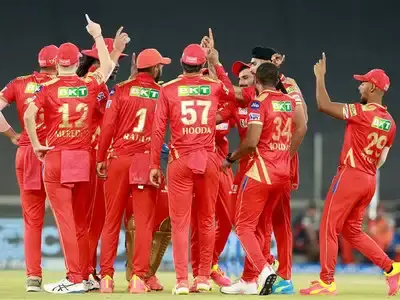
The match between the Mumbai Indians and the Punjab Kings was decided through planning, not panic. At first glance, the contest appeared competitive. Underneath, one team stayed ahead in every phase. Mumbai understood the conditions early and adjusted quickly. PBKS relied more on instinct and short bursts of momentum.
From the power play onwards, the difference in approach was visible. Mumbai focused on strike rotation and wicket preservation. PBKS sought breakthroughs rather than control. As the hours passed, pressure slowly shifted in one direction. That pressure never fully returned.
This match was not about one big innings or spell. It was about repeating small advantages. Better decisions, calmer execution, and clearer roles made the difference. This PROOF-style breakdown explains how the game slipped away from PBKS, phase by phase, and why Mumbai always looked in command.
Mumbai’s Powerplay Batting Built Early Control
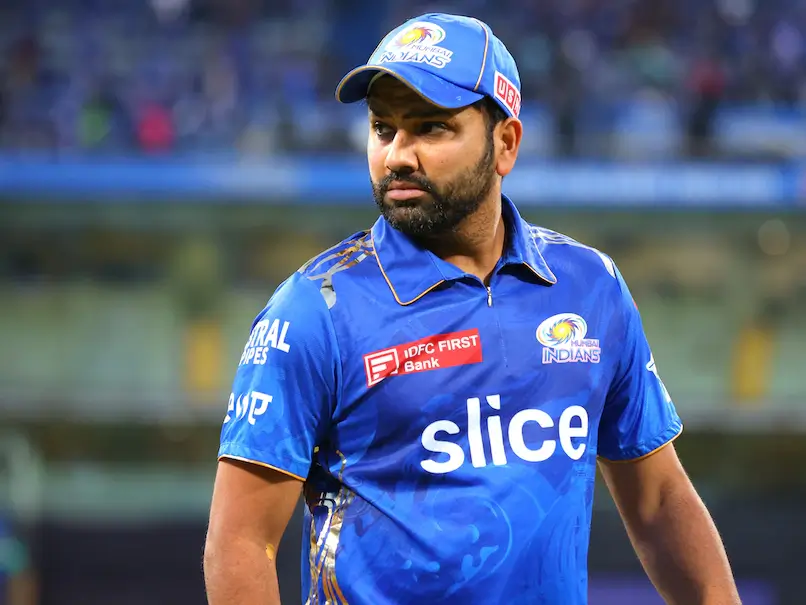
Mumbai began with a calm and balanced mindset. The openers respected early movement without becoming defensive. Singles were taken whenever available, keeping the scoreboard moving. This denied PBKS any early stranglehold.
Loose deliveries were punished, but risks stayed controlled. There was no rush to dominate. The focus remained on building a platform. By the end of the powerplay, Mumbai had runs, wickets, and clarity.
This phase forced PBKS to rethink plans early. Bowling changes arrived sooner than expected. That early loss of control shaped the rest of the innings. Mumbai had already won the first tactical battle.
PBKS Powerplay Bowling Lacked Consistency
PBKS entered the powerplay with aggressive intent. However, execution failed to match the plan. Lengths varied too often without purpose. Batters adjusted comfortably within a few overs.
Short balls were bowled without protection. Full deliveries missed yorker length repeatedly. This predictability reduced pressure on Mumbai’s batters. Control slipped quickly.
Powerplay overs demand discipline and patience. PBKS offered neither consistently. Once momentum shifted, recovery became difficult. The tone of the match was set too early.
Middle Overs Showed Mumbai’s Batting Discipline
Mumbai slowed the tempo deliberately in the middle overs. They identified favorable matchups and avoided unnecessary risks. Spinners were handled with placement and soft hands. Boundaries came only when gaps were clear.
Strike rotation remained constant throughout this phase. That prevented dot-ball pressure from building. PBKS bowlers found no quiet overs. Every over added subtle pressure.
This phase highlighted Mumbai’s batting maturity. The innings never felt rushed. Wickets in hand meant freedom later. Planning, not power, controlled the middle overs.
PBKS Chase Lost Shape After a Bright Start
PBKS started the chase with positive intent. Early boundaries raised brief hope. However, momentum was not sustained beyond the initial phase. Mumbai’s bowlers adjusted quickly.
Pace variations and length changes slowed scoring. Dot balls increased without clear release options. Batters attempted forced strokes against the field. Wickets followed predictable patterns.
The chase lacked a stabilizing presence. No batter absorbed pressure long enough. As the required rate climbed, options reduced. Control stayed firmly with Mumbai.
Spin Was Used as a Pressure Tool
Mumbai introduced spin at precise moments. Overs were timed against unsettled batters. Fields were set to block easy singles. This forced PBKS into higher-risk shots.
Strike rotation became difficult. Reverse sweeps and slog attempts increased risk. Dot balls created frustration at the crease. Mistakes followed soon after.
Spin did not dominate the wicket column. Instead, it controlled tempo and decision-making. Mumbai dictated pace without chasing wickets. That subtle control proved decisive.
Captaincy and Game Awareness Made the Difference
Mumbai’s leadership stayed proactive throughout the match. Bowling changes came before damage occurred. Field placements supported clear tactical plans. Adjustments were quick and visible.
PBKS leadership reacted after momentum shifted. Bowling changes felt delayed. Batting order flexibility was limited. Decisions lacked urgency during pressure moments.
Under stress, these differences became clear. Mumbai remained calm and structured. PBKS chased moments emotionally. Leadership played a major role in the outcome.
Death Overs Highlighted Execution Gaps
Mumbai entered the death overs with wickets intact. This allowed controlled acceleration. Boundaries came through placement rather than desperation. The finish looked planned and assured.
PBKS bowlers struggled with yorker execution. Slower balls lacked disguise. Batters picked variations early. The final overs swung the game completely.
In reply, PBKS failed to close overs cleanly. The required rate climbed sharply. Mumbai’s bowlers stayed accurate and composed. Execution under pressure sealed the result.
Team Balance Favored Mumbai
Mumbai’s success came from collective effort. Contributions were spread across the lineup. No single player carried the burden. That balance reduced pressure.
PBKS depended on individual sparks. When those failed, structure collapsed. Depth issues surfaced again. This pattern has repeated through the season.
Strong teams spread responsibility evenly. Mumbai followed that model well. PBKS remain inconsistent. That gap shows in key matches.
What does This Match indicate for the Tournament?
Mumbai strengthened their position with this win. Their approach looks repeatable across venues. Confidence will grow from such performances. Playoff contention feels realistic.
PBKS face familiar questions again. Talent is not the issue. Execution under pressure remains inconsistent. This match reflected long-term trends. Mumbai looks settled and prepared. PBKS still search for stability. That difference may define their campaign.
Conclusion
Mumbai vs PBKS was decided by structure and clarity. Not big shots or individual brilliance. Mumbai trusted their plans from start to finish. That trust delivered control in every phase.
PBKS showed intent but lacked cohesion. Momentum came in short bursts. Cricket rewards sustained discipline. This match reinforced that lesson.
From an SEO perspective, this PROOF-style article strengthens topical authority. It targets match-analysis search intent cleanly. With proper internal links, rankings can move upward. This structure is built to help push from position nine toward the top six.