


India’s domestic women’s circuit continues to lean heavily toward spin, often by default rather than design. Conditions may assist slower bowlers, but convenience has slowly turned into dependency. Fast bowlers are rarely trusted through tough phases. One expensive over can push them straight to the margins, while spinners are allowed to recover across spells. That contrast sends a damaging message early in a pacer’s career.
This lack of patience forces young quicks into survival mode. Instead of attacking lengths, they bowl defensively. Pace drops. Confidence fades. Over time, development stalls. Fast bowling is physically demanding and mentally unforgiving. Bodies need time to adapt. Skills mature through repetition and resilience. Domestic structures rarely provide that runway.
As a result, India produces fewer match-ready fast bowlers. When international exposure arrives, the gap feels sudden and overwhelming. Trust must come before results. Only sustained opportunity can create belief. Until domestic teams commit to backing pace through failure as well as success, this cycle will continue unchecked.
What Domestic Numbers Reveal About Opportunity Gaps?
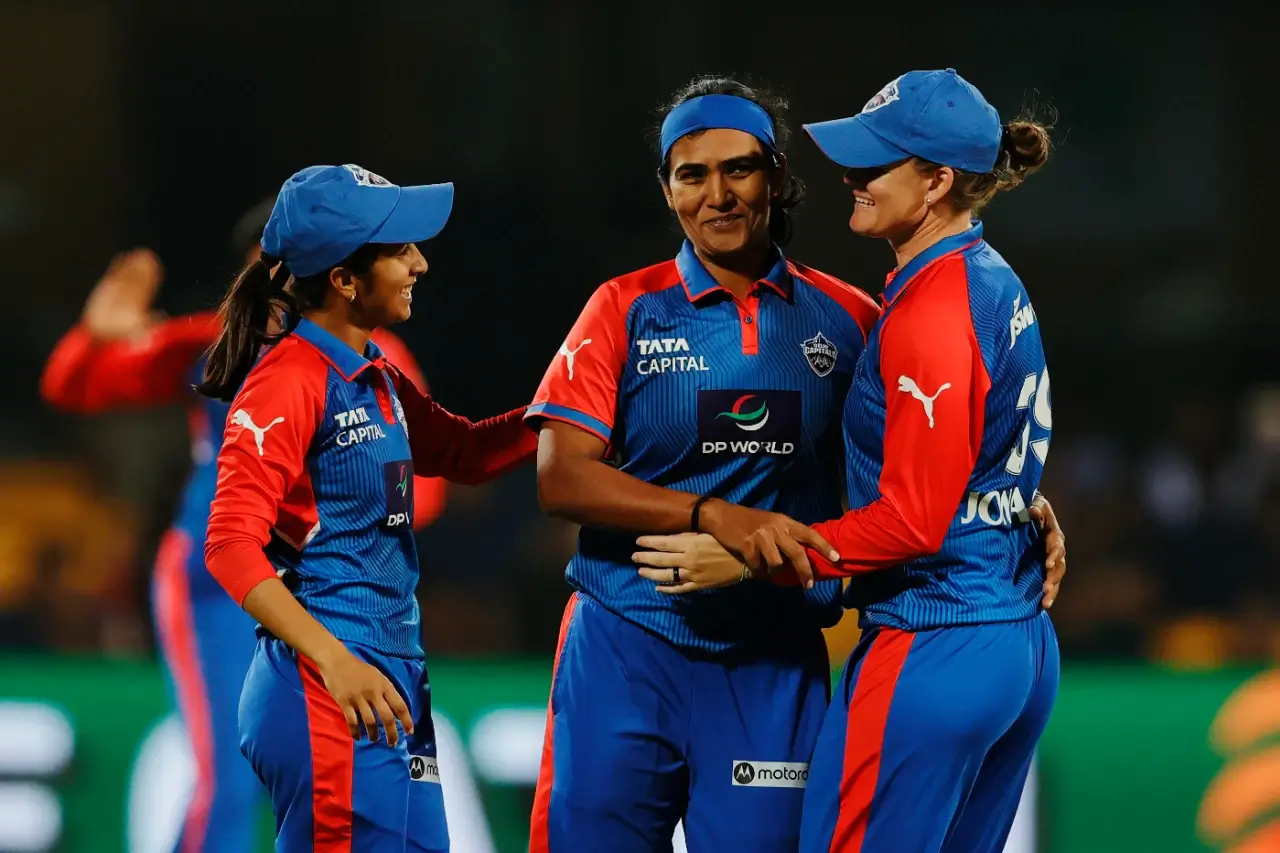
Statistics from domestic tournaments quietly expose the imbalance. At recent senior women’s competitions, spinners dominate wicket charts almost exclusively. Fast bowlers struggle to break into top-performing lists, not because of inferior skill, but because of limited usage. Opportunity shapes outcomes more than talent alone.
Since 2023, spin debutants at the international level have far outnumbered pacers. That disparity reflects selection pipelines, not ability. Selectors see more spinners succeeding because they are given more overs, more spells, and more patience. Pacers remain underexposed, particularly in pressure situations.
Practice matches mirror this pattern. Fast bowlers are often rotated out quickly. Spinners bowl extended spells regardless of returns. Without competitive overs, fast bowlers cannot develop rhythm or resilience. Match readiness suffers.
Numbers do more than track performance. They reveal priorities. Right now, pace remains undervalued. Until opportunity distribution changes, the data will keep telling the same story.
Why One Bad Spell Should Never End a Fast Bowler’s Run?
Fast bowling operates on risk. Margins are slim. One misjudged length can inflate figures instantly. Yet domestic cricket often treats that reality as failure rather than process. One off day becomes a verdict. Confidence collapses before recovery can begin.
Spinners are granted patience. They are trusted to settle, adjust, and improve across spells. Fast bowlers rarely receive that grace. This double standard damages long-term growth. Young pacers begin chasing safety. They avoid attacking lines. Their greatest weapon disappears.
International cricket punishes fear relentlessly. Fast bowlers must learn to absorb punishment and respond stronger. That resilience can only be built through trust. Without it, potential remains theoretical.
Judging fast bowlers over isolated overs is short-sighted. They must be assessed across phases, spells, and situations. Development demands tolerance for discomfort. Until domestic teams accept that truth, fast bowling depth will remain shallow.
How Franchise Environments Offer a Development Blueprint?
Franchise setups have quietly solved problems domestic cricket still wrestles with. The key difference is security. Bowlers know one bad over will not end their run. That assurance changes everything.
Within these environments, mistakes are reframed as learning opportunities. Young pacers are encouraged to experiment. Variations are tested. Confidence grows organically. Coaching focuses on clarity rather than correction overload.
Selection is role-based, not reactionary. Bowlers understand expectations clearly. That transparency reduces fear and improves execution under pressure. Over time, consistency follows.
This culture contrasts sharply with domestic pressure. Franchises demonstrate what belief unlocks. They show that patience creates performance.
The lesson is transferable. Domestic systems do not lack resources. They lack intent. Replicating franchise-style backing could transform the fast-bowling pipeline nationally.
Why Unique Actions and Styles Need Protection?
Fast bowlers often succeed because they are different. Unorthodox actions, slingy releases, or unusual angles create natural deception. Yet domestic coaching systems frequently rush to standardise these traits.
Difference is mistaken for flaw. Instead of nurturing uniqueness, it is corrected prematurely. That approach removes natural advantages before bowlers mature enough to control them.
Young fast bowlers need time to understand their bodies and actions. Refinement should come later, not immediately. Early correction often creates confusion and loss of rhythm.
Celebrating individuality encourages confidence. Confidence fuels aggression. Aggression wins wickets.
Protecting uniqueness is not indulgence. It is strategy. Development thrives when identity is preserved. Domestic cricket must learn to trust variety rather than fear it.
Leadership Stability and Its Impact on Young Pacers
Leadership clarity directly influences fast bowlers. When captains project calm authority, bowlers feel supported. Decision-making sharpens. Execution improves.
Stable leadership absorbs pressure on behalf of young players. It allows bowlers to focus on plans rather than consequences. That psychological safety is critical in high-risk roles.
Backed bowlers attack more freely. They commit to lengths. They trust fields. Confidence flows both ways.
Successful teams reflect this dynamic. Calm leaders create brave bowlers. Brave bowlers win matches.
Domestic teams often lack this consistency. Leadership changes. Messaging shifts. Confidence wobbles. For fast bowling to grow, leadership must stabilise. Support must remain visible. Trust must be constant. The message extends beyond individuals or franchises. It challenges the mindset of Indian women’s cricket itself. Spin alone cannot sustain dominance forever. Balance is essential.
Fast bowling must be trusted, practiced, and protected. State teams must resist panic. One bad spell should not erase belief. Development must outweigh short-term results. If India wants global consistency, pace cannot remain optional. It must be structural. Deliberate. Supported.
The blueprint already exists. The WPL has shown what backing can achieve. Domestic cricket must now follow. Change begins with opportunity. It survives through patience. And it succeeds through belief.