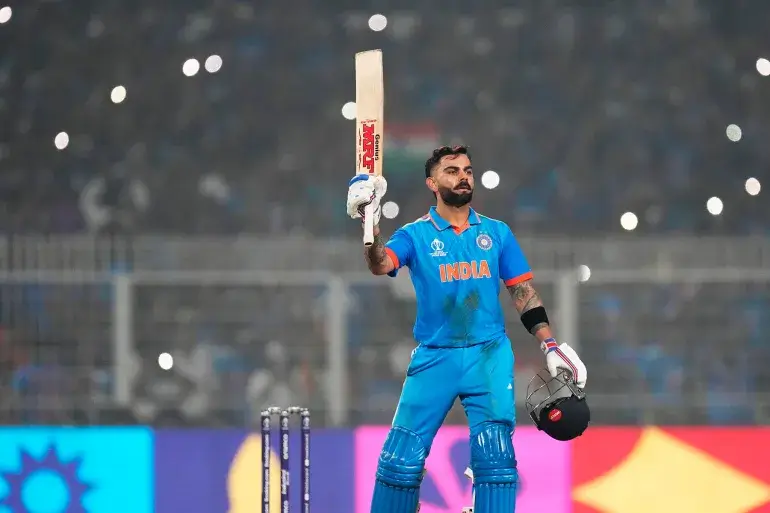
Matches between India and Bangladesh never feel routine. Conditions, pressure, and tempo create a different contest every time. Slow pitches, heavy air, and turning balls demand patience. This is where technique outweighs power. Over the years, one player has repeatedly mastered these challenges. Virat Kohli has shaped this rivalry through control rather than aggression. Against Bangladesh, his innings often become anchors around which matches revolve. Spin bowling also defines this fixture.
Both teams rely heavily on it, especially in subcontinental conditions. India’s spinners restrict, while Bangladesh’s spinners attempt to choke the rhythm. This article explores how Kohli has handled Bangladesh attacks and why spin remains the central weapon in this matchup of Bangladesh and India.
The focus stays on patterns, tactical battles, and match influence rather than single highlights. Understanding this dynamic explains why India usually stays ahead despite close moments. The rivalry is not about domination alone. It is about adaptation, discipline, and reading conditions better than the opponent.
Virat Kohli’s Overall Record Against Bangladesh

Virat Kohli’s numbers against Bangladesh reflect sustained control rather than brief peaks. His average remains high across formats, showing consistency. More importantly, his dismissals rarely come from rash shots. Bangladesh bowlers often test him with spin early. Kohli responds by playing late and close to the body. This reduces risk on slow pitches. His strike rotation prevents dot-ball pressure from building. Over time, this frustrates bowlers and captains alike. Kohli’s centuries and fifties against Bangladesh often arrive in matches where others struggle.
That contrast highlights his value. He rarely dominates through brute force alone. Instead, he accumulates steadily before accelerating. This approach neutralizes Bangladesh’s biggest strength. Even when he scores at a modest pace initially, the end result favors India.
His record shows fewer failures than expected in tricky conditions. That reliability makes him India’s most trusted batter against Bangladesh. Numbers here support reputation, not exaggeration.
How Kohli Reads Spin Better Than Most Batters?
Spin bowling in Bangladesh requires precise judgment. The ball grips, skids, and turns unevenly. Virat Kohli’s success lies in early reading of length and revolutions. He rarely commits forward too soon. This allows adjustments mid-shot. Kohli prefers soft hands against spin. That reduces chances of close catches. He also uses the crease subtly, moving back or across without exaggeration.
Bangladesh spinners often try to bowl into his pads. Kohli counters by opening angles through timing rather than slogging. His use of singles disrupts defensive fields. Bowlers lose patience quickly. Once that happens, loose balls follow. Kohli capitalizes without forcing strokes.
This skill turns spin from a threat into a scoring option. Against Bangladesh, this ability consistently shifts pressure back onto the bowling side. It is not flashy, but it is devastatingly effective.
Role of Strike Rotation on Slow Bangladesh Pitches
Strike rotation becomes crucial on slow surfaces. Boundaries are harder to hit cleanly. Virat Kohli understands this better than most. Against Bangladesh, he treats singles as scoring shots. This keeps the scoreboard moving without risk. Bowlers cannot settle into repetitive lines.
Fielders tire as pressure mounts. Kohli often targets specific fielders for singles. This tactical awareness breaks rhythm. Partnerships grow steadily, even without boundaries. Bangladesh’s spinners rely on building dot-ball pressure. Kohli denies them that advantage. Once rotation flows, boundary balls appear naturally. This method suits low-scoring games common in this rivalry.
It also protects partners at the other end. Kohli’s approach ensures India never feels stuck. Over long innings, this becomes a decisive factor. Matches tilt gradually rather than suddenly. That slow squeeze often decides outcomes against Bangladesh.
Bangladesh’s Spin Attack vs Kohli’s Patience
Bangladesh traditionally banks on spin at home and abroad. Bowlers vary pace and trajectory cleverly. Against many teams, this works well. Against Kohli, patience becomes their challenge. He rarely attacks spinners immediately. Instead, he waits for errors. Bangladesh bowlers often bowl good spells without reward. This tests discipline. Once fatigue or frustration sets in, length slips.
Kohli capitalizes instantly. He does not need many loose balls. This dynamic repeats across series. Even quality spin bowling struggles without sustained pressure. Kohli’s patience effectively flips the contest. Bowlers feel pressure instead of the batter. Over sessions, this mental shift proves costly for Bangladesh.
India’s Spin Bowlers: The Other Half of Dominance
While Kohli anchors batting, India’s spinners shape Bangladesh innings. They bowl with control rather than aggression. Tight lines force batters to manufacture shots. On turning tracks, this approach yields mistakes. Indian spinners understand Bangladesh batters’ preferences.
They bowl into defensive zones consistently. This creates dot-ball pressure. Unlike Bangladesh, India rarely over-attacks early. Wickets arrive through patience. This balance complements Kohli’s batting style. India squeeze matches from both ends. Bangladesh find themselves chasing momentum constantly. This strategic alignment explains India’s strong record. Spin becomes not just a weapon, but a system.
Pressure Situations Where Kohli Changes Gears
Virat Kohli’s greatness shows most under pressure. Against Bangladesh, pressure often arrives through slow scoring or early wickets. Kohli responds by adjusting tempo smartly. He increases strike rotation first. Boundaries come later. This avoids panic. In run chases, he reads required rate calmly.
Bangladesh bowlers sense control slipping. Kohli rarely allows sudden collapses. His calmness spreads through the lineup. Even when matches stay close, India feel settled. This psychological edge matters. Kohli’s gear changes are subtle, not dramatic. That subtlety makes them hard to counter. Against Bangladesh, this trait repeatedly decides tight games.
Why This Rivalry Still Matters Despite India’s Edge?
Despite India’s superior record, Bangladesh matches remain competitive. Conditions level the field. Spin plays a major role. Bangladesh continue to test India’s adaptability. Virat Kohli’s presence often becomes the difference. Without him, margins shrink. That reality keeps this rivalry relevant.
Each match adds new layers. Bangladesh search for breakthroughs. India rely on experience. Spin remains central to this battle. Kohli’s innings symbolize India’s methodical approach. This rivalry is less about dominance and more about control. That is why it continues to draw attention.
Conclusion: Skill, Spin, and Smart Cricket Define This Contest
India vs Bangladesh matches revolve around discipline and adaptation. Spin bowling sets the tone. Virat Kohli stands at the center of India’s success. His technique, patience, and awareness neutralize Bangladesh’s strengths. India’s spinners complete the equation by applying pressure back.
Together, these factors explain consistent results. Bangladesh challenge India, but India respond with structure. Kohli’s innings often become templates for success. This is not accidental dominance. It is the product of reading conditions better. As long as spin defines this rivalry, Kohli’s method will remain invaluable.