

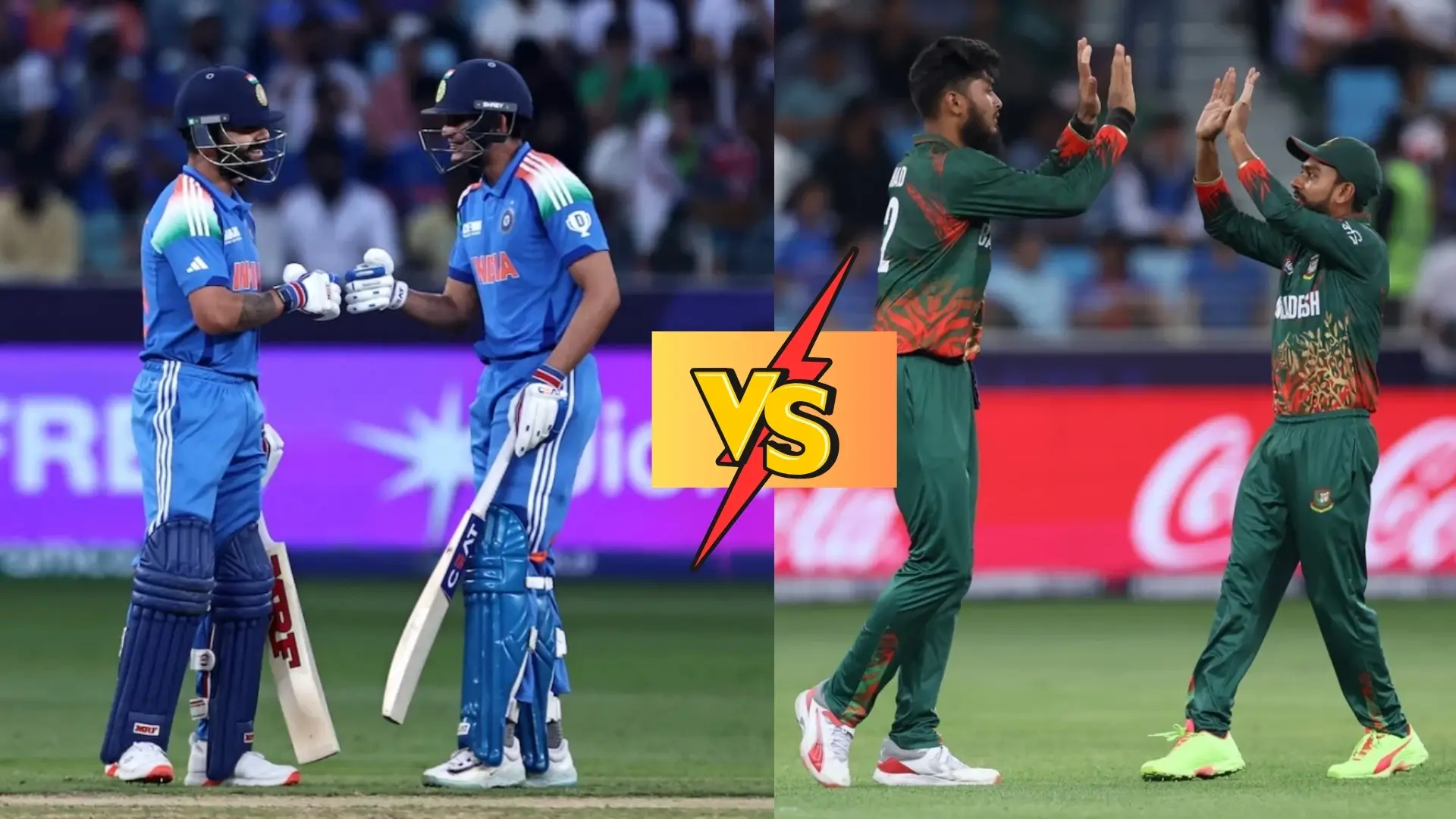
The Bangladesh Cricket Board’s statement on Wednesday signalled a shift from confrontation to negotiation. Rather than confirming refusal or acceptance, the message focused on dialogue. The Bangladesh Cricket Board confirmed that the International Cricket Council had expressed willingness to work closely with them on security planning for the 2026 T20 World Cup in India and Sri Lanka.
Notably, the statement avoided any commitment on whether Bangladesh would ultimately travel to India. That omission matters. It suggests the issue is no longer binary. Instead of play-or-refuse, the discussion has shifted toward conditions, guarantees, and safeguards. With the tournament starting February 7, timelines are tight. But the tone has softened. This article explains what the ICC has offered, what BCB is seeking, and why this issue carries wider implications beyond Bangladesh’s fixtures.
What the ICC’s “Willingness to Work Closely” Really Signals?
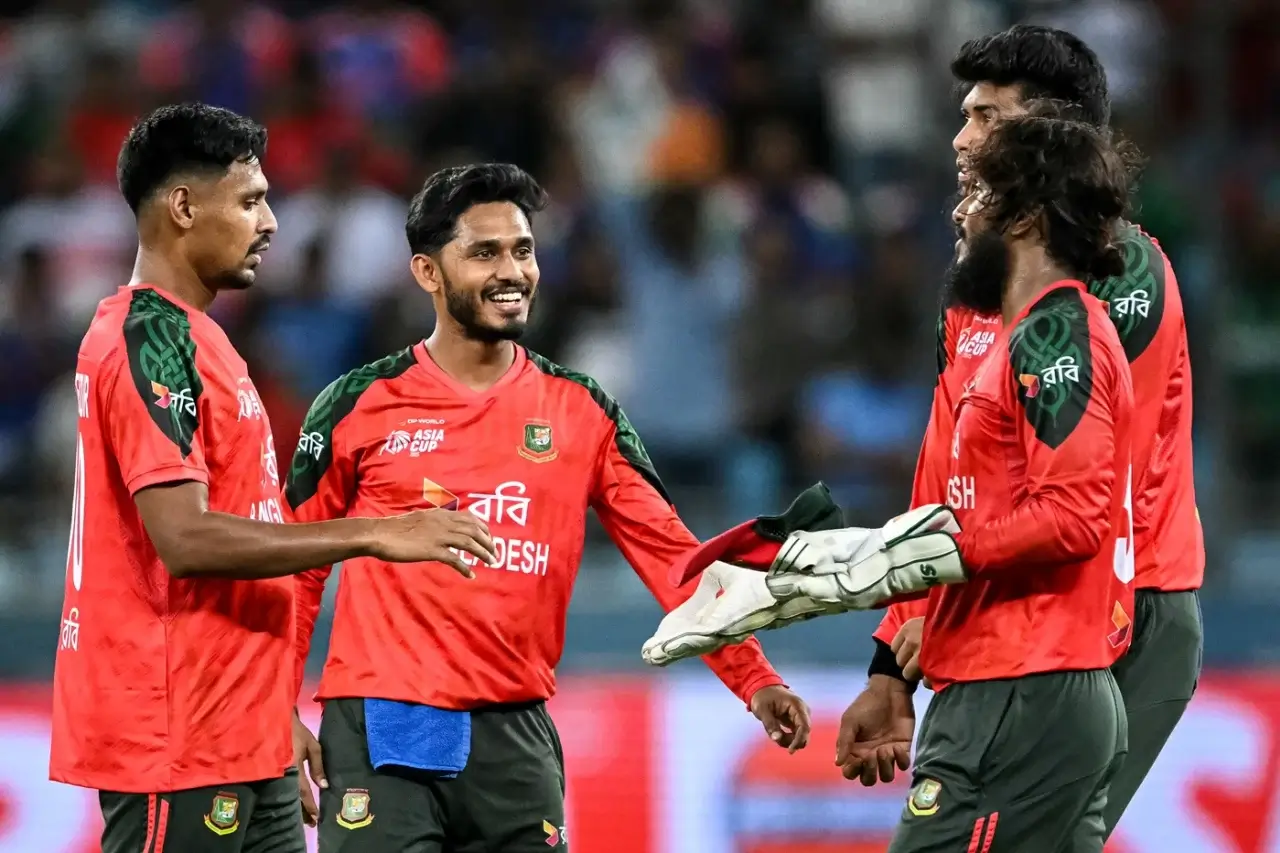
The ICC’s response to BCB is carefully worded but significant. By assuring “full and uninterrupted participation,” the ICC has acknowledged Bangladesh’s concerns without conceding relocation demands. This phrasing signals flexibility in operational planning rather than a change in venue. Security protocols, movement arrangements, accommodation safeguards, and liaison with local authorities are likely at the centre of discussions.
For Bangladesh, this is an important step in India-Bangladesh matches. Their concern was never about tournament participation itself, but about conditions of safety. The ICC’s willingness to incorporate BCB inputs into “detailed security planning” gives Bangladesh a formal channel to influence arrangements. This is not a public concession, but it is a procedural opening. The ICC is effectively saying the door is open to solutions short of relocation. Whether those solutions satisfy BCB will determine the next phase. For now, dialogue replaces deadlock.
Why BCB Avoided Saying Yes or No on India Travel?
The most striking aspect of BCB’s statement is what it does not say. There is no confirmation of travel refusal. There is no acceptance either. This ambiguity is strategic. A firm refusal would escalate tensions. A premature acceptance could undermine internal credibility. By staying non-committal, BCB keeps leverage.
Bangladesh’s leadership must balance player safety, public sentiment, and international obligations. Any decision will face scrutiny at home. The board’s language reflects that pressure. By emphasizing “constructive engagement” and “professional manner,” BCB signals responsibility rather than defiance. This posture also buys time. Security planning discussions take weeks, not days. Silence on the final call allows BCB to assess guarantees before committing. In diplomatic terms, this is a holding pattern, not indecision.
The Group C Fixture Problem and Competitive Stakes
Bangladesh’s situation is complicated by their Group C schedule. They are slated to play three matches in Kolkata and one in Mumbai. These fixtures are not peripheral. They shape tournament survival. Any forfeiture would effectively eliminate Bangladesh before the knockout phase.
Reports suggesting point forfeiture created panic because there is no replacement team lined up. That would turn Bangladesh’s absence into a competitive distortion. BCB’s denial of receiving an ultimatum is therefore crucial. By rejecting the idea of ICC coercion, BCB reframed the issue as unresolved rather than punitive. For the ICC, maintaining tournament integrity matters. For Bangladesh, avoiding a scenario where refusal equals disqualification is essential. This tension underlines why compromise is now being explored rather than enforced.
Why BCB Strongly Rejected Ultimatum Reports?
BCB’s categorical rejection of ultimatum claims was not defensive posturing. It was strategic correction. Accepting the narrative of coercion would weaken Bangladesh’s negotiating position and inflame domestic reaction. By calling such reports “false and unfounded,” BCB reasserted control over the narrative.
This matters because public pressure can limit institutional flexibility. If fans believe Bangladesh are being bullied, compromise becomes politically harder. By clarifying that ICC communication remains cooperative, BCB preserves room to manoeuvre. It also signals trust in formal channels rather than media speculation. In sensitive cross-border issues, perception shapes outcomes as much as facts. BCB’s firm denial keeps discussions professional instead of adversarial.
How the Mustafizur Rahman Episode Triggered the Standoff?
The roots of this issue trace back to a BCCI directive involving Mustafizur Rahman. The instruction for Kolkata Knight Riders to release him from their IPL 2026 squad, without public explanation, raised concerns within Bangladesh cricket circles.
That episode became symbolic. It reinforced fears about uncertainty for Bangladeshi players in India amid deteriorating bilateral relations. While the IPL decision and World Cup participation are technically separate, perception linked them. For BCB, player welfare extends beyond national duty to professional environments. The Mustafizur episode intensified scrutiny of India-based engagements. This context explains why Bangladesh’s concerns escalated quickly and publicly. The World Cup issue did not emerge in isolation.
What a “Practical Solution” Could Actually Look Like?
BCB’s call for an “affable and practical solution” suggests compromise without capitulation. This could include enhanced security rings, controlled travel windows, neutral accommodation zones, or limited inter-city movement. It may also involve dedicated liaison officers and contingency protocols.
Such measures would allow Bangladesh to participate without relocation. For the ICC, this preserves host integrity. For India, it avoids diplomatic embarrassment. For Bangladesh, it delivers safety assurances. The challenge lies in trust. Security plans must be credible, transparent, and enforceable. If implemented properly, this model could set precedent for future tournaments amid geopolitical tensions. The next few weeks will determine whether assurances translate into confidence.
Why This Issue Matters Beyond Bangladesh Alone?
This standoff is not just about one team. It reflects how international cricket navigates geopolitics. The ICC’s response will be studied by other boards facing similar dilemmas. Player safety, host responsibility, and institutional diplomacy intersect here.
If Bangladesh and the ICC resolve this through cooperation, it strengthens cricket’s ability to adapt without fragmentation. If it escalates, it exposes vulnerabilities in global tournament governance. That is why the tone of recent communication matters. Calm language suggests shared interest in resolution. The outcome will shape not just Bangladesh’s World Cup campaign, but how future concerns are handled across the sport.