

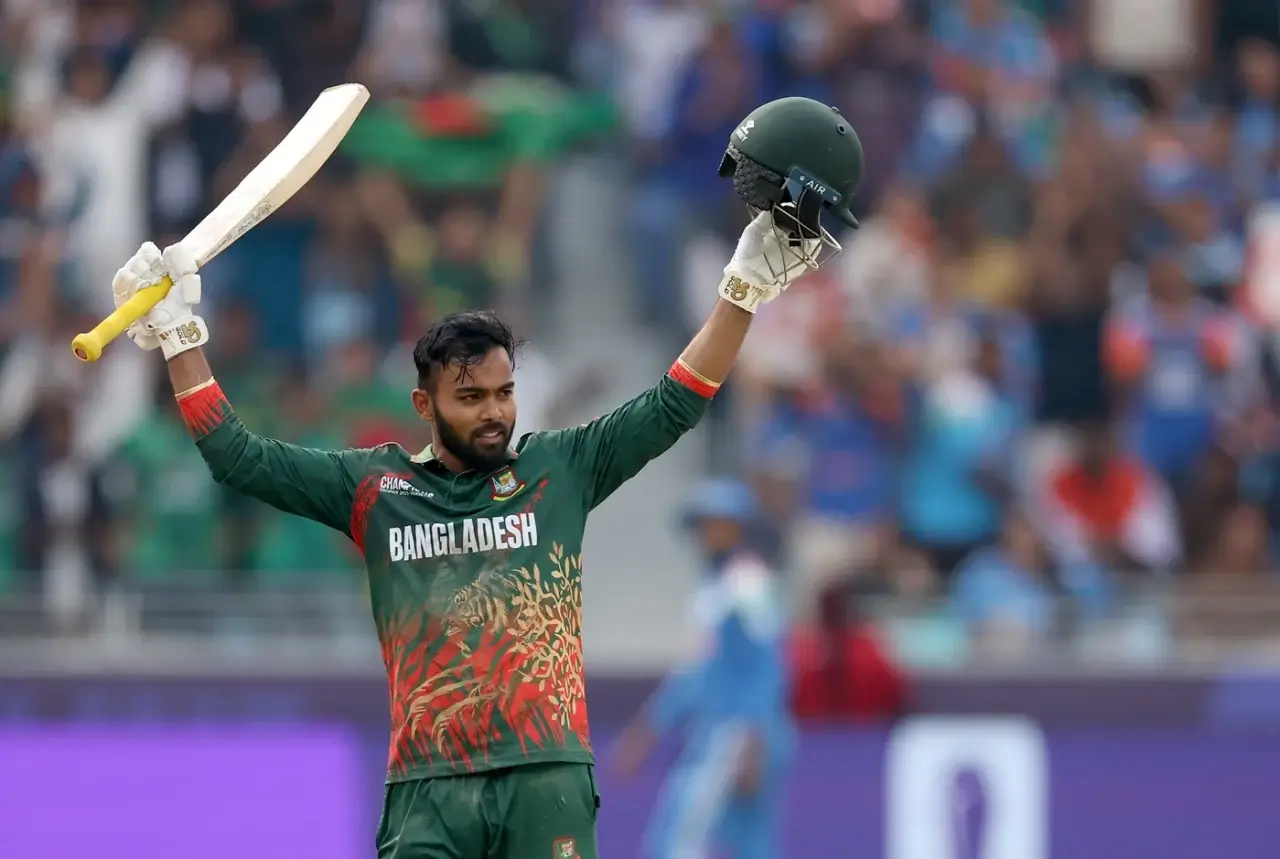
The India-Bangladesh rivalry did not begin with tension or spectacle. It formed quietly through repetition and exposure. India entered this matchup as a well-established power, while Bangladesh arrived seeking stability and confidence. Early meetings reinforced the hierarchy, but they also instilled valuable lessons. Over time, the tone shifted. Bangladesh stopped approaching these matches defensively. India stopped expecting automatic control. That mutual adjustment explains why this rivalry now carries genuine competitive weight.
Early Phase: When Results Followed Reputation
In the initial years, encounters between Bangladesh and India followed predictable patterns. India’s experience dominated Tests and ODIs. Bangladesh struggled to sustain pressure across sessions and overs. Matches often ended early, with little ambiguity in outcome. This phase built a heavily one-sided head-to-head record. Yet beneath the surface, Bangladesh was absorbing international standards. Technical flaws were exposed. Tactical errors were punished. These defeats shaped long-term growth, even if the timeline appeared routine.
Facing India repeatedly accelerated Bangladesh’s development. The margin for error was slim. Discipline became mandatory. Fielding standards rose. Bowling plans grew more specific. Losses forced introspection rather than despair. Bangladesh began understanding how elite teams manage pressure phases. This learning curve mattered more than results. The rivalry timeline began to show improvement, even before the wins arrived. Resistance replaced resignation, especially in limited-overs cricket.
Tournament Matches That Added Pressure
The rivalry truly shifted once Bangladesh secured major ODI victories. These wins altered internal belief and external perception. Confidence replaced caution. Bangladesh began planning a series rather than individual games. Home conditions turned into tactical advantages rather than safety nets. In response, India adjusted its approach. Selection became sharper. Complacency disappeared. Matches grew longer and tighter. This phase marked the first real competitive balance in the India vs Bangladesh rivalry timeline.
Asia Cup and World Cup meetings transformed the rivalry’s emotional dimension. Stakes increased instantly. Crowd energy intensified moments. Close finishes forced players to confront nerves repeatedly. Bangladesh learned to manage chases without panic. India learned when patience outweighed aggression. These games carried significance beyond results. They reshaped preparation, trust, and decision-making. The rivalry gained credibility through performance under pressure, not marketing.
Each format tells a different story. Tests remain largely India-controlled due to depth and experience, though Bangladesh now competes longer at home. ODIs offer the closest balance, with Bangladesh consistently producing regular challenges and occasionally demonstrating dominance. T20Is narrow gaps further, where momentum shifts rapidly and execution defines outcomes. Together, these formats explain why the rivalry feels tighter than raw numbers suggest. The timeline is layered, not linear.
Psychological Pressure and Crowd Influence
What defines India vs Bangladesh matches today is pressure, not hostility. Expectations weigh heavily on India. National pride fuels Bangladesh. Crowds amplify every moment, especially in tight phases. Mistakes feel larger. Calm becomes valuable currency. This emotional contrast creates tension even in low-scoring or routine games. Neutral fans sense uncertainty early, which sustains interest regardless of rankings or history.
The India vs Bangladesh rivalry shows how modern cricket rivalries evolve. Growth comes through exposure, adaptation, and belief rather than hype. Bangladesh earned relevance step by step. India evolved without arrogance. Each series adds nuance rather than noise. This timeline may never be loud, but it continues to deepen with every contest, making it one of the most instructive rivalries in contemporary cricket.
How Tactical Discipline Changed the Rivalry?
As the rivalry matured, tactics began to matter more than raw talent. Bangladesh improved their planning against India’s strengths rather than reacting instinctively. Bowling plans became batter-specific. Field placements grew more disciplined. Dot-ball pressure replaced loose aggression. India, in turn, responded with flexibility. Batters rotated strike instead of forcing shots. Bowlers focused on control phases rather than wicket hunts. This tactical evolution reduced mismatch moments. Games became battles of patience. The timeline shifted from dominance to negotiation.
The Role of Leadership in Shaping Close Contests
Leadership played a quiet but decisive role in shaping modern India vs Bangladesh matches. Bangladesh’s captains emphasized belief and structure rather than emotional surges. Calm decision-making replaced reactive field changes. India’s leadership leaned into experience and game awareness. Timeouts were used to slow momentum. Bowling changes targeted matchups, not crowd pressure. These leadership choices influenced outcomes during tight phases. The rivalry grew smarter. Not louder. That intelligence deepened competition.
Why This Timeline Still Matters for Future Series?
The India vs Bangladesh timeline remains relevant because it reflects ongoing growth. Bangladesh are no longer measuring success only through wins. Competitive phases now matter equally. India continue using these series as adaptability tests rather than formality. Younger players are exposed to pressure-heavy environments. Veterans refine control under expectation. Each new series adds another layer to the timeline. The rivalry continues evolving without losing balance, ensuring its importance in future international cycles.