

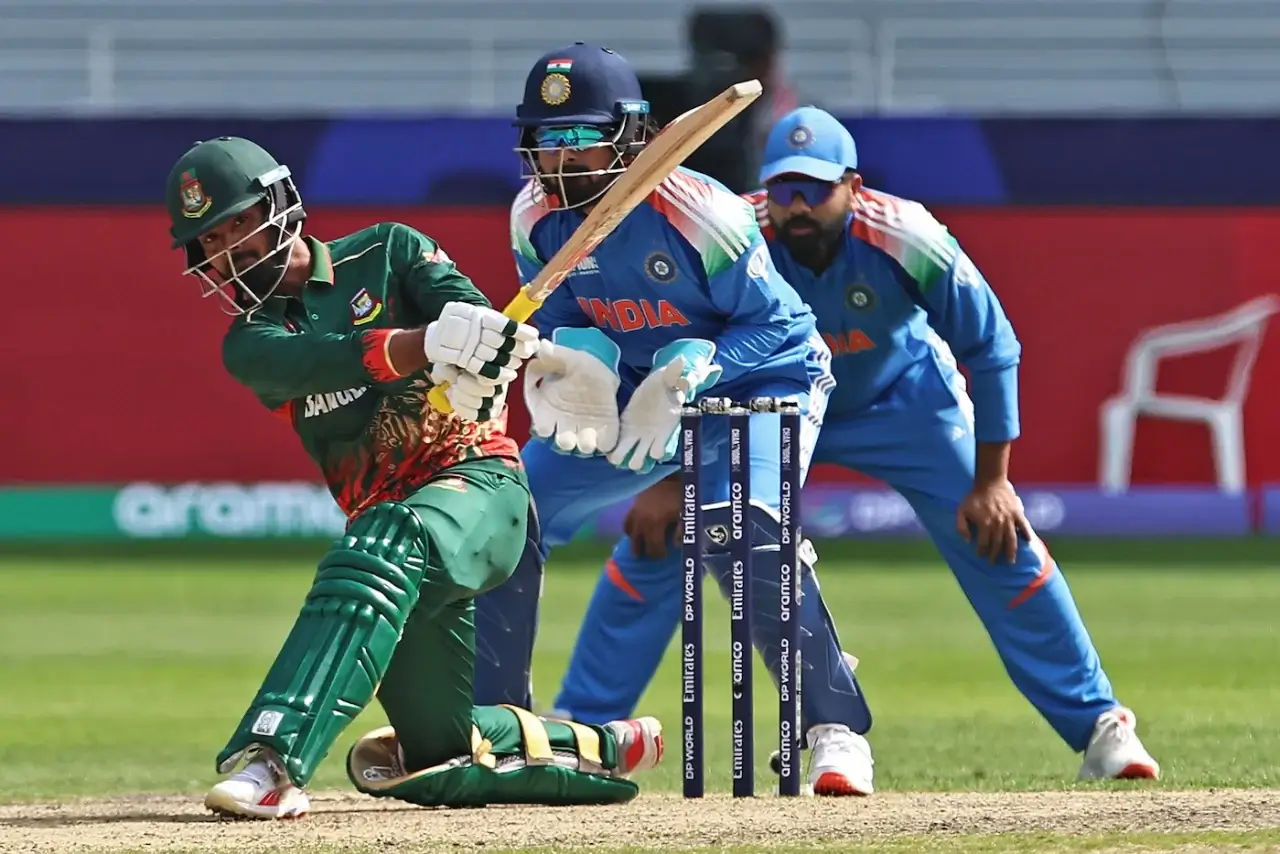
Matches between India and Bangladesh rarely arrive with global hype. On paper, India usually appear stronger. Rankings favour them. Squads look deeper. Yet these contests consistently resist simplicity.
Bangladesh do not approach India as underdogs anymore. They arrive with plans, specialists, and belief. India, in contrast, treat these fixtures as examinations rather than showcases. Squad rotation, workload management, and tactical discipline often matter more than dominance.
This supporting article explains why India vs Bangladesh matches remain strategically demanding. It focuses on pressure phases, tactical friction, and structural lessons that scorecards often fail to show. These games reveal more about modern international cricket than margins suggest.
Bangladesh’s Ability to Slow India’s Momentum
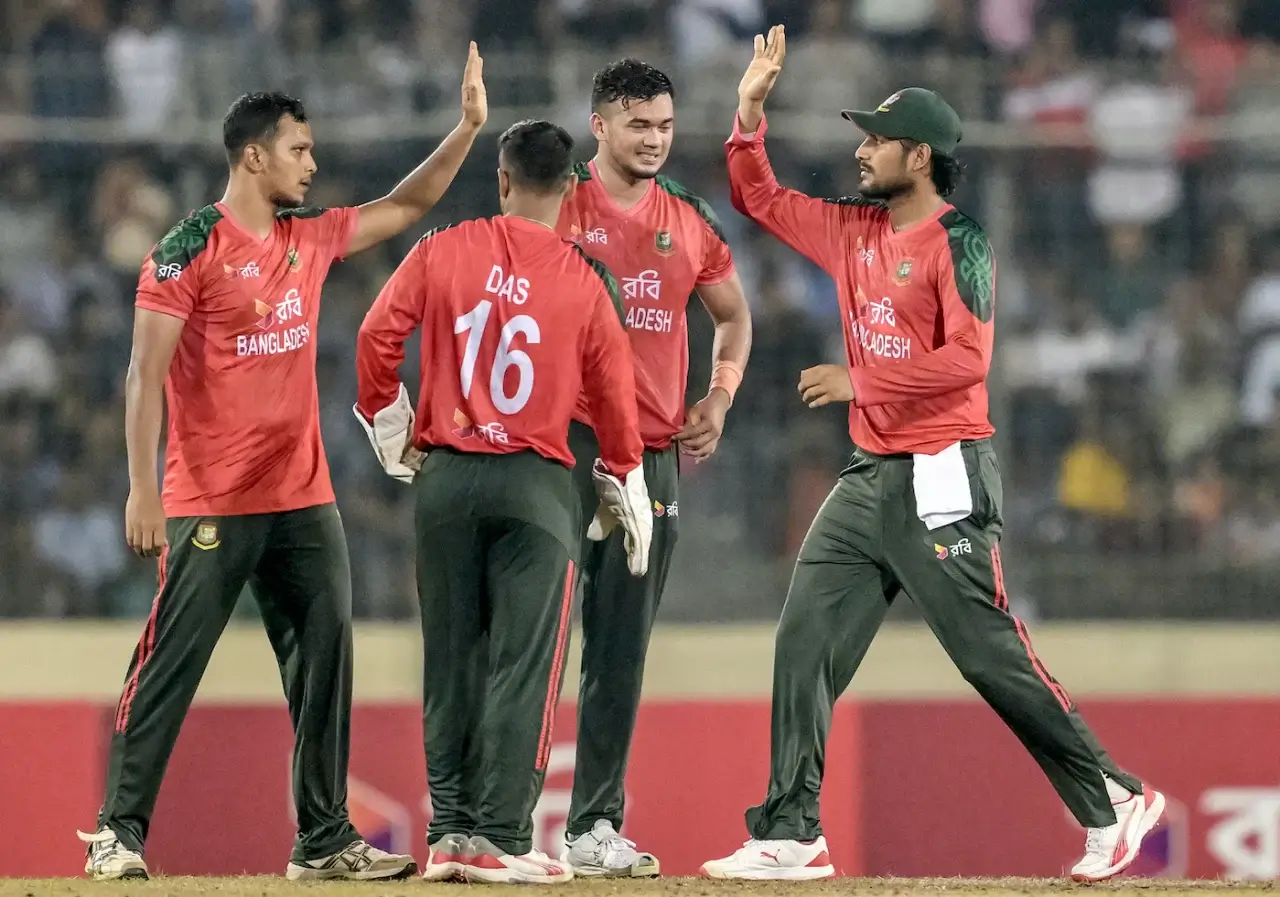
Bangladesh specialise in breaking rhythm. Their bowlers rarely chase wickets early. Instead, they focus on dot balls and controlled lines. This approach quietly increases pressure on Indian batters.
India often begin confidently. Boundaries arrive early. Then momentum stalls. Singles dry up. Shot selection tightens. The change feels subtle but decisive.
Bangladesh’s discipline forces India to work harder for runs. Even superior batting line-ups feel constrained. This slowdown tests patience more than power.
Matches become battles of tempo rather than talent. Bangladesh thrive here. India are forced to adapt repeatedly. That adaptation defines the contest more than early dominance.
Why India Use Bangladesh Series for Long-Term Planning?
India often treat Bangladesh series as checkpoints. Team combinations are tested. Bowling workloads are monitored. Batting roles are refined under stress.
These matches provide realistic pressure without tournament stakes. Bangladesh push India hard enough to expose weaknesses. Yet the environment remains controlled.
Young players are observed closely. Can they absorb pressure without panic? Can they execute plans patiently? Bangladesh offer the perfect test.
India’s management values this context. Results matter, but lessons matter more. These series often shape selections for bigger tours ahead.
The Spin Battle That Shapes Most Encounters
Spin defines India vs Bangladesh contests across formats. Bangladesh spinners attack rhythm. Indian spinners attack patience.
Middle overs become decisive. Run flow slows. Batters search for release shots. Small errors lead to big consequences.
India usually possess superior spin depth. Bangladesh counter with discipline and field placement. This chess match dictates match flow.
Whichever side controls spin pressure longer gains advantage. Scorecards rarely reflect this struggle. But captains feel it intensely on the field.
Why Bangladesh Stretch Matches Deeper Than Expected?
Bangladesh excel at extending contests. They rarely collapse early against India now. Partnerships form quietly. Chases remain alive longer.
This persistence frustrates India. The game refuses to finish early. Bowlers must repeat plans. Batters must stay alert.
Stretching matches increases the chance of Indian mistakes. Pressure shifts subtly. Crowd energy changes. Momentum becomes negotiable.
Bangladesh’s growth shows here. They no longer seek quick upsets. They seek sustained resistance. That mindset shift has redefined this rivalry.
India’s Discipline Under Sustained Pressure
India’s true strength appears when momentum stalls. Their ability to reset plans stands out. Bowlers return to lengths. Batters rebuild calmly.
These matches test India’s mental structure. Talent alone cannot rescue slow games. Process must hold.
Against Bangladesh, India are forced to prove maturity repeatedly. This makes victories more valuable internally than externally perceived.
When India win here, it reflects control rather than flair. That control translates well to tougher overseas challenges.
Why Scorecards Fail to Capture the Real Contest?
Margins often flatter India. Comfortable chases. Moderate targets. Yet match flow tells a different story.
Key phases remain tense longer than numbers suggest. Partnerships matter. Dot-ball pressure accumulates. Field placements tighten games quietly.
Bangladesh’s resistance rarely converts into wins. But it shapes how India play. That influence escapes casual analysis.
Understanding this rivalry requires watching momentum, not totals. The real battle lives between overs, not columns.
What This Rivalry Teaches About Modern Cricket?
India vs Bangladesh reflects modern international cricket’s depth. Gaps between teams have narrowed tactically. Preparation now rivals talent.
Discipline can challenge superiority. Planning can stretch stronger sides. Bangladesh embody this evolution.
For India, these matches reinforce humility. For Bangladesh, they reinforce belief. That mutual pressure benefits the sport.
This rivalry may lack glamour. But it delivers education. For teams, analysts, and serious fans, it remains quietly significant.