

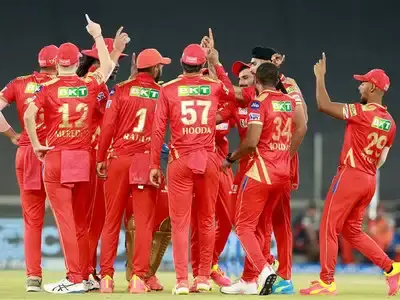
Matches between Mumbai Indians and Punjab Kings rarely feel one-sided while they are being played. Punjab often start well, match Mumbai phase for phase, and stay competitive deep into games. Yet when pressure moments arrive, results tend to tilt the same way. Mumbai handle closing stages with clarity, while Punjab frequently lose grip when margins tighten. This recurring pattern is not accidental, nor is it driven by talent gaps alone. Both sides regularly field match-winners across departments. The real difference lies in how pressure is anticipated, absorbed, and managed. Mumbai treat pressure as an expected phase of the contest. Punjab often react to it. That contrast shapes outcomes more than any single performance.
This supporting article strengthens the Mumbai Indians vs Punjab Kings analysis cluster by focusing on culture-driven advantages. It explains why Mumbai repeatedly gain control late, how structural clarity influences execution, and what Punjab can realistically learn without reinventing their identity. The analysis remains evergreen, tactical, and rooted in long-term trends rather than isolated matches.
Why Mumbai Indians Stay Composed When Games Tighten?
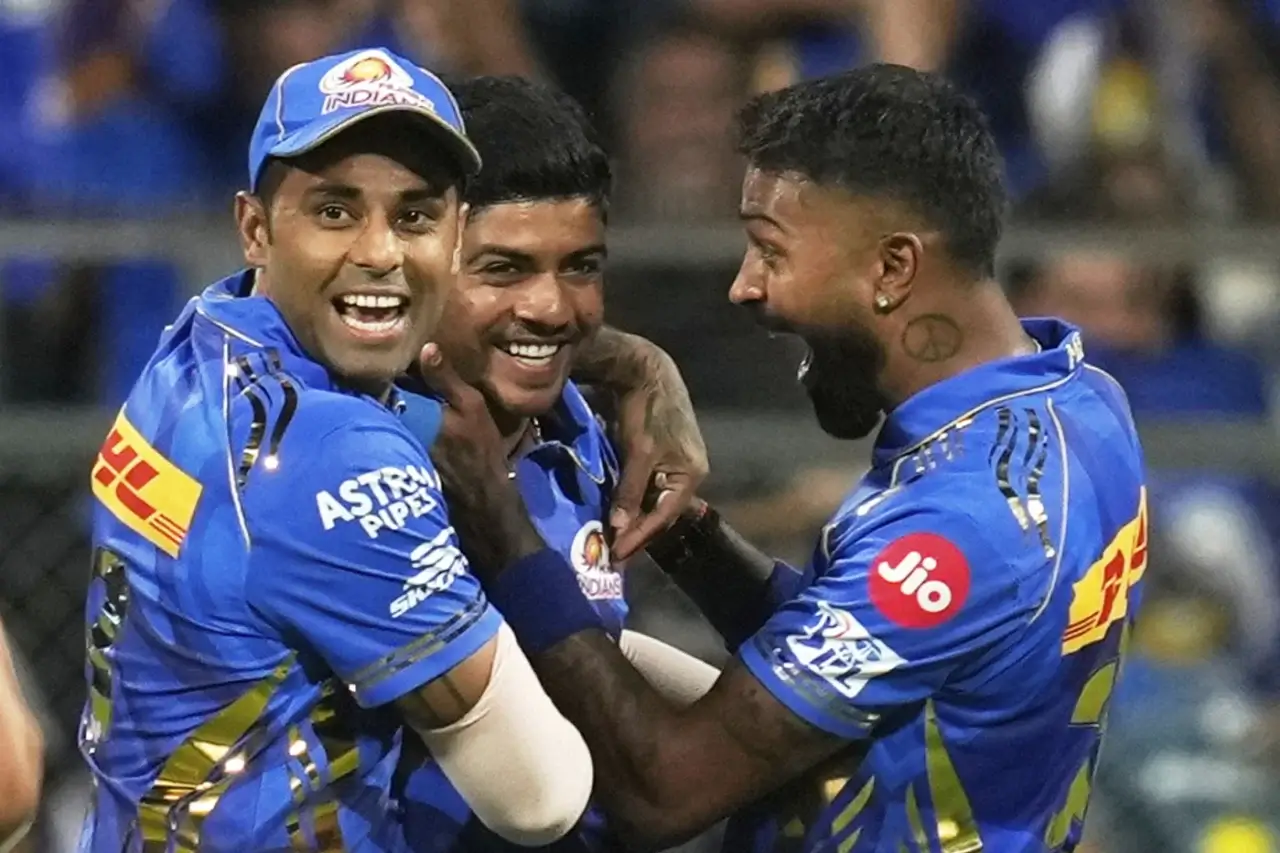
Mumbai Indians approach close matches with the assumption that pressure will arrive. This mindset alters preparation, decision-making, and emotional response. Players are conditioned to expect games to compress in the final overs rather than hoping for separation earlier.
As a result, pressure moments feel familiar instead of alarming. Leadership stability reinforces this comfort. Mumbai rarely overhauls philosophy or on-field leadership abruptly. Systems remain consistent across seasons, even as personnel change. New players adapt to an established environment rather than shaping it themselves.
This stability shows clearly in body language. Dropped catches do not trigger visible panic. Expensive overs are followed by measured adjustments, not reactive changes. Bowlers trust their plans despite short-term setbacks. Batters resist forced acceleration when conditions do not demand it. This composure accumulates over overs. Against Punjab, Mumbai often appear patient even when behind the required rate. That patience quietly transfers stress to the opposition, who feel the urgency more sharply as time passes.
Role Clarity: The Hidden Separator Between MI and PBKS
Mumbai Indians define roles with precision before tournaments begin. Each player understands their primary responsibility and the conditions under which it applies. Finishers know when they are expected to attack. Anchors understand when survival carries higher value than speed. Bowlers are assigned clear over windows with limited improvisation. This clarity removes decision overload during chaotic phases of play.
Punjab Kings have often struggled with overlapping responsibilities. Multiple batters attempt to seize momentum simultaneously, leading to rushed shot selection. Bowlers adjust lengths too frequently in search of instant breakthroughs.
Communication becomes reactive rather than reinforcing structure. Mumbai benefit from the opposite dynamic. Players are evaluated on process adherence rather than outcome alone. A failed execution does not immediately threaten selection or role security. That trust allows players to stay calm during low-return phases, which is crucial in close games against disciplined opponents.
Matchups, Tempo Control, and the Bumrah Effect
Mumbai’s advantage deepens through meticulous matchup planning. Batting orders are structured around opposition bowlers rather than fixed templates. Bowling spells are timed to emotional pressure points rather than purely statistical ones. A central figure in this strategy is Jasprit Bumrah, whose overs are deliberately saved for moments when batters feel temporarily comfortable. His presence disrupts rhythm rather than simply chasing wickets.
Punjab batters often respond by prioritising survival over scoring during these phases. Strike rates dip, dot balls increase, and internal pressure builds rapidly. Spinners are then used by Mumbai to block release shots rather than force dismissals. This combination slows the game without obvious drama. Required rates climb incrementally. Punjab sense control slipping but struggle to identify a single turning point. Mumbai thrive in these grey areas, where discipline outweighs flair.
What Punjab Kings Can Learn Without Losing Their Identity?
Punjab Kings do not need to replicate Mumbai’s culture entirely to close the gap. Incremental structural improvements would yield significant returns. Stability should be the first focus. Frequent leadership resets delay collective learning and weaken accountability. Clearer role demarcation would reduce late-over confusion. One designated finisher is more effective than several part-time closers. Bowling plans must prioritise repeatable execution over constant adjustment.
Communication also needs simplification under pressure. Mumbai empower on-field decision ownership within a defined framework. Punjab often involve too many voices when clarity is most needed. Finally, pressure rehearsal deserves attention. Mumbai train deliberately for discomfort through simulated close finishes. Punjab have often relied on momentum-driven confidence instead. Shifting that preparation focus could change how players respond when matches compress late.
Conclusion
Mumbai Indians’ sustained success against Punjab Kings is rooted in structure rather than superiority. Culture, clarity, and calm decision-making define their edge in close games. Talent executes within that framework, but preparation creates the advantage. As a supporting article, this analysis reinforces the broader MI vs PBKS narrative while offering Punjab a realistic path forward. Pressure cricket rewards teams that expect tension, rehearse it, and remain patient within it. Mumbai continue to prove that season after season.