

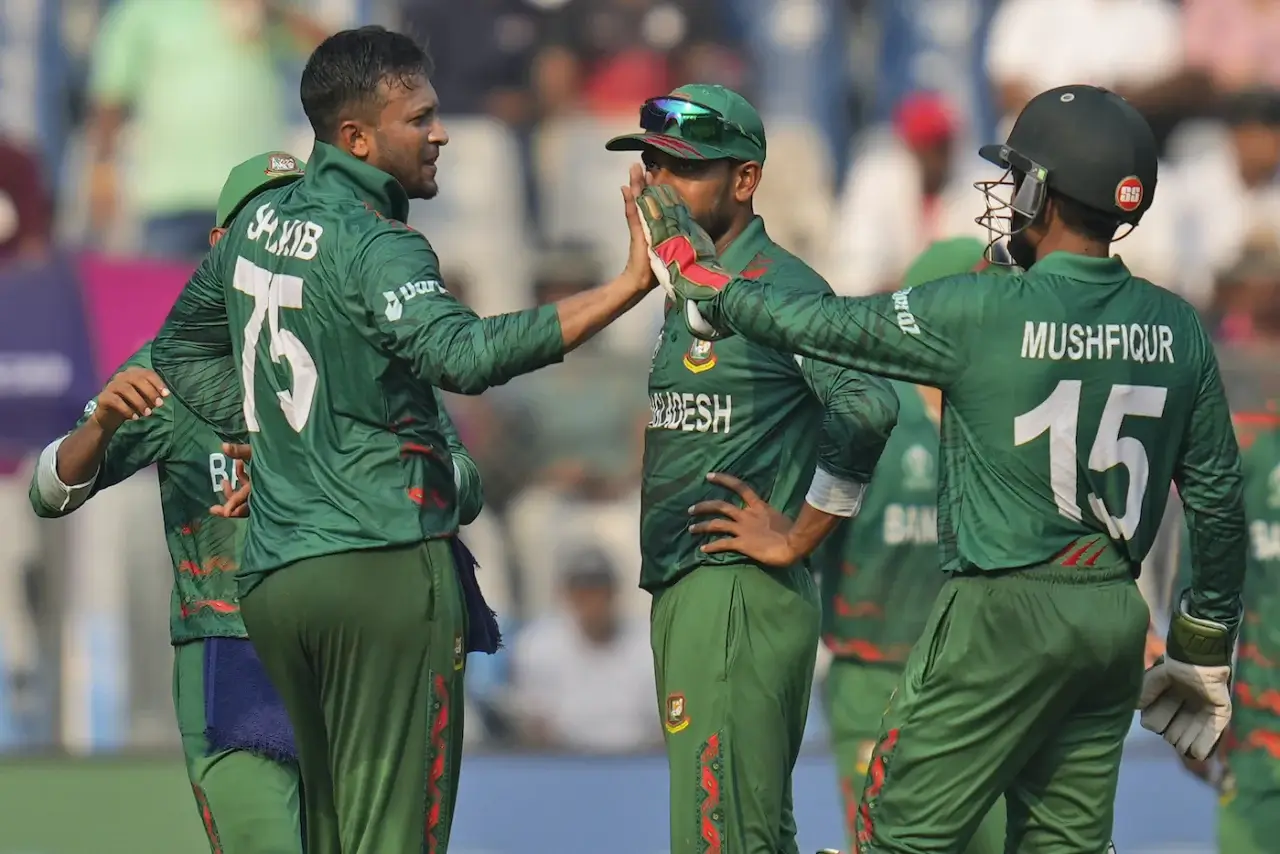
The Bangladesh Premier League entered an unexpected pause during its early phase. Two major events deeply impacted the tournament’s rhythm and emotional tone. The passing of former prime minister Khaleda Zia led to national mourning. Days earlier, Bangladesh cricket also lost respected fast-bowling coach Mahbub Ali Zaki.
These moments extended beyond scheduling changes. They reflected the close link between cricket and national identity in Bangladesh. The BPL, still in its opening week, suddenly became a space of reflection. Cricket continued, but with visible restraint and respect.
Why were the December 30 BPL Matches postponed?
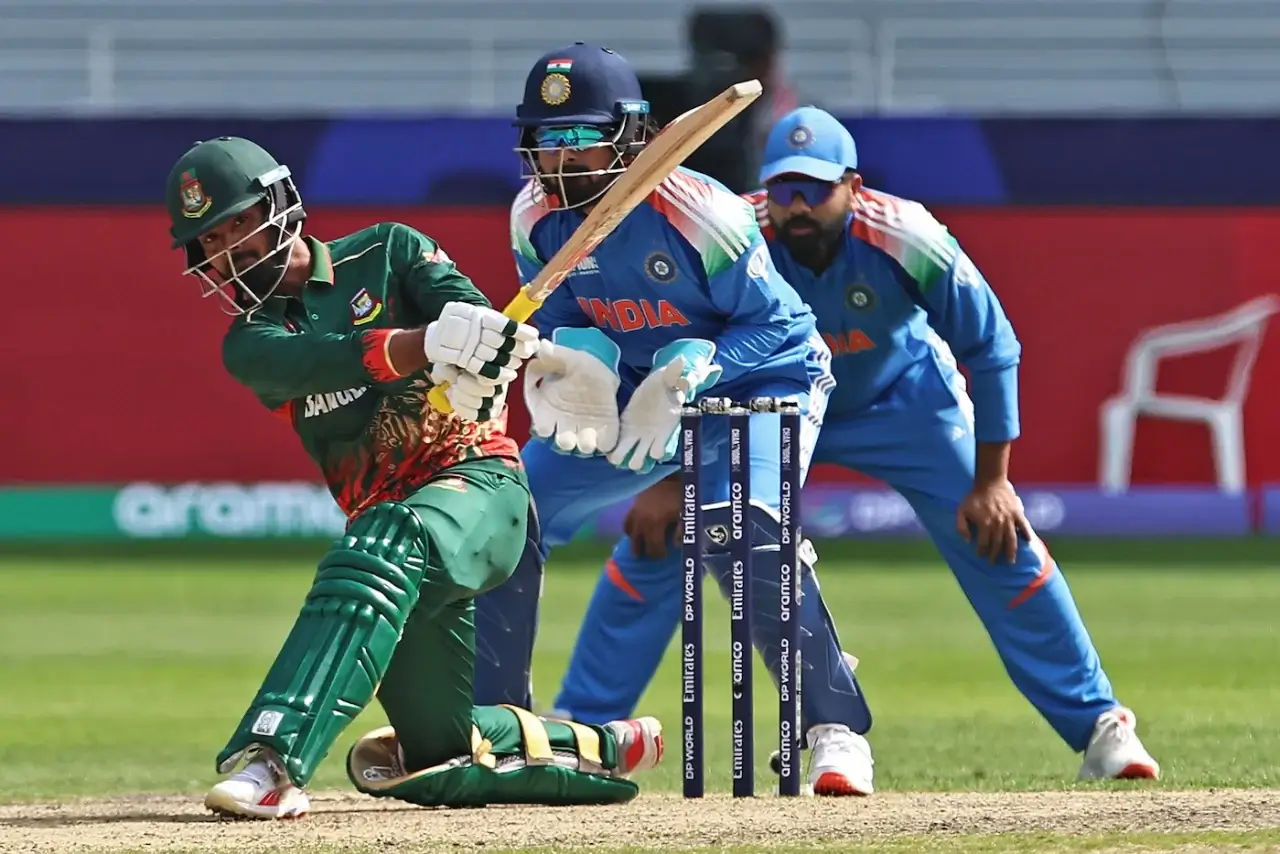
The Bangladesh Premier League helps in maintaining the timeline has been postponed both matches scheduled for December 30 following Khaleda Zia’s death earlier that morning. The announcement came only hours before the first toss in Sylhet. The Bangladesh Cricket Board acted swiftly to align with national sentiment.
Both fixtures were rescheduled for January 4. The board also confirmed no matches would be played on December 31, following a government-declared public holiday. Matches scheduled for January 1 and 2 remained unchanged.
The BPL Governing Council later confirmed that a revised itinerary for fixtures beyond January 5 would be released in due course. With natural breaks already built into the calendar, officials indicated minimal long-term disruption.
Khaleda Zia’s Lasting Influence on Bangladesh Cricket
Khaleda Zia served two terms as Bangladesh’s prime minister and was the country’s first female leader. Her contribution to cricket extended beyond symbolism. During her tenure, cricket infrastructure received strong institutional backing. Facilities improved, administrative systems matured, and the sport gained national visibility.
The Bangladesh Cricket Board acknowledged her role publicly. In its statement, the board credited her encouragement and vision for helping cricket grow nationwide. Her interest in sport was consistent and personal.
Many foundational developments in Bangladesh cricket trace back to that period. Her legacy remains embedded in the game’s administrative growth and national acceptance.
BCB’s Response Reflects Cricket’s National Role
The BCB’s decision to pause matches was not merely procedural. It reflected cricket’s position within Bangladesh’s social fabric. The board emphasized respect, remembrance, and alignment with national mourning.
BCB president Aminul Islam highlighted Khaleda Zia’s personal support during his playing career. He noted her understanding of cricket’s unifying power and her encouragement of infrastructure development. These remarks reinforced cricket’s cultural relevance beyond competition.
Such responses underline how cricket in Bangladesh often mirrors national emotion. The BPL’s pause served as acknowledgment, not interruption.
Tragic Loss of Mahbub Ali Zaki Shakes the BPL
Just days before the rescheduling announcement, Bangladesh cricket suffered another shock. Mahbub Ali Zaki collapsed during pre-match routines before a BPL game involving Dhaka Capitals. He was rushed to hospital but pronounced dead shortly after. He was 59.
Zaki had served the BCB for 17 years and was widely respected for his work in fast-bowling development. Players and officials observed a minute’s silence before the match proceeded.
His death added emotional weight to an already sombre week. For many within Bangladesh cricket, this loss felt deeply personal.
Zaki’s Role in Shaping Bangladesh Pace Bowling
Mahbub Ali Zaki played a crucial role behind the scenes. He worked extensively with Bangladesh’s emerging fast bowlers and was instrumental in rebuilding Taskin Ahmed’s action in 2016. His technical clarity and calm presence earned trust across levels.
As part of the BCB’s game development unit, Zaki bridged domestic cricket and international standards. He coordinated closely with overseas bowling coaches and domestic academies.
He also carried a long-term vision. Zaki hoped to establish a fast-bowling academy in Bangladesh, inspired by global models. His passing leaves that dream unfinished, but influential.
How the BPL Absorbs Disruption Without Losing Balance?
Despite emotional setbacks, the BPL schedule remains largely intact. With early breaks already planned, administrators expect limited impact on competitive balance. Teams adjust, players regroup, and cricket resumes with respect.
More importantly, the league has shown flexibility and sensitivity. These responses strengthen credibility rather than weaken it. Respecting national emotion and cricketing loss reinforces trust among players and fans.
The BPL continues, but with awareness that cricket exists within a broader human context.
What These Moments Reveal About Bangladesh Cricket?
These events highlight the maturity of Bangladesh cricket’s institutions. Decisions were swift, respectful, and transparent. Communication remained clear. Emotional intelligence guided administration.
Both Khaleda Zia and Mahbub Ali Zaki influenced cricket in different ways. One through policy and vision. The other through daily coaching and mentorship. Their impact converges in the game’s present strength. Bangladesh cricket pauses, reflects, and moves forward. That balance defines its evolution.
Conclusion
The BPL’s early pause was not disruption but acknowledgment. Khaleda Zia’s passing prompted national reflection. Mahbub Ali Zaki’s death struck at cricket’s grassroots. Together, they shaped a sombre moment in the league’s timeline.
How Bangladesh cricket responded matters. Respect came before schedules. People came before matches. The BPL continues, but with deeper perspective. In moments like these, cricket shows its true place in society.

