

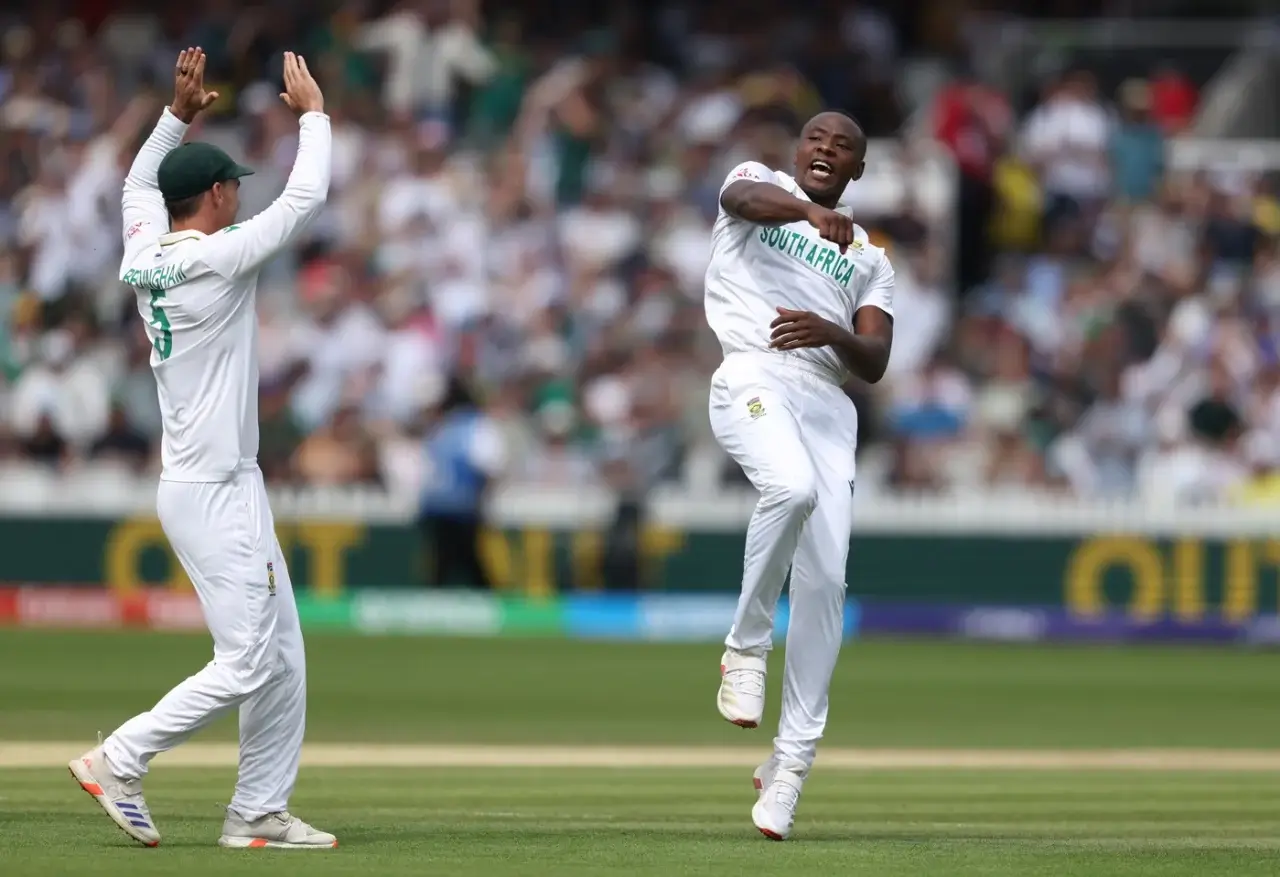
Balance, as author John Green once observed, is a temporary and unpredictable gift. It exists quietly when everything works. Its absence, however, is impossible to ignore. Cricket lives permanently in that space.
Every moment in the game is a negotiation with equilibrium. A batter steadies their base before a stroke. A bowler lands hoping their body stays aligned. A fielder checks their feet near the rope. At the same time, every player attempts to disturb the opponent’s balance.
Cricket’s beauty often hides inside these moments. A stumble followed by recovery. A pose that looks accidental but reveals years of control. When cricketers find balance, it feels natural. When they lose it, the game becomes brutally honest.
This article explores how balance appears across cricket—physical, mental, tactical, and sometimes comic—and why the search for equilibrium never truly ends.
Balance Begins With the Body
At its most basic level, cricket demands physical equilibrium. A stable base allows timing. A controlled follow-through prevents injury. A balanced landing keeps a fast bowler upright.
When Mohammed Shami seams the ball late, he is not relying only on wrist position. He is trusting alignment through his entire body. When Jos Buttler loses shape against movement, the dismissal often begins before the ball reaches him.
Balance is rarely noticed when it exists. It becomes visible only when it breaks. The slip, the lunge, the mistimed step—all expose how fragile control really is.
When Losing Balance Becomes Art?
Some cricketing moments endure because balance is almost lost, but not quite. During the 2009 Test in Kingston, Daren Sammy twisted his body into something resembling an arabesque while digging out a yorker from Shakib Al Hasan. It was not a textbook technique. It was instinctive survival like in league matches.
Cricket photography loves these frames. A toe stretched beyond reason. A torso leaning into space. The still image freezes chaos into elegance. For a brief moment, imbalance becomes a form of art.
Form as a State of Balance
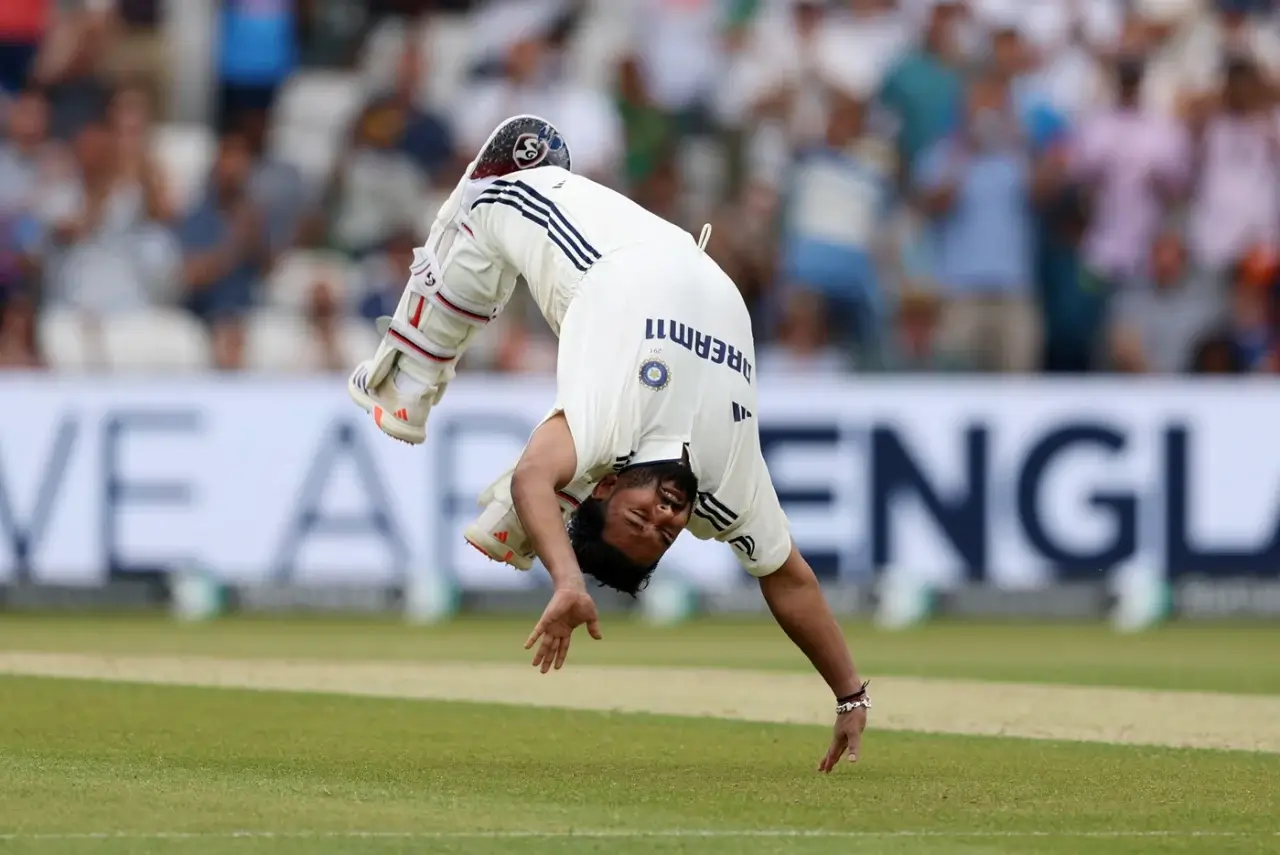
Form is balance expressed over time. Losing form is losing equilibrium. Before his drought-breaking IPL hundred, Rishabh Pant looked adrift. Shots mistimed. Confidence fractured. When the hundred finally came, he celebrated with a handstand.
The gesture mattered. He had not just regained runs. He had rediscovered his footing. Balance returned, so he chose to invert it. Cricket often allows such poetry.
Administrators and the Impossible Balancing Act
Players are not the only ones searching for equilibrium. Administrators juggle schedules, workloads, audiences, and traditions.
Formats like The Hundred attempt to balance sport and spectacle. Purists question the cricketing depth. New audiences embrace the entertainment. Between them lies an uneasy middle ground that administrators constantly chase.
Here, balance is political, financial, and cultural. It is far harder to maintain than a straight bat or a stable stance.
Team Balance: Carrying Each Other
Cricket pretends to be individual. In reality, it is deeply collective.
Team balance is about covering weaknesses and amplifying strengths. When Wahab Riaz supports a teammate mid-play, it reflects the unseen side of equilibrium. One player steadies another.
Support staff once did the literal heavy lifting. Now teams carry each other emotionally, tactically, and mentally. Balance is shared, not owned.
Fast bowling looks violent. In truth, it is delicate.
Shoaib Akhtar often spoke about rhythm and intent. See ball. Swing ball. Seam ball. Beneath the aggression sat extraordinary balance.
A fraction too far forward or back and pace becomes chaos. Balance is what separates fearsome from unplayable.
Allrounders and the Juggle of Identity
Allrounders live in constant negotiation. Bat enough. Bowl enough. Rest enough. During a practice session in Nagpur in 2007, Runako Morton and Dwayne Smith literally juggled balls. It was playful, but revealing.
Their careers demanded continual recalibration. Too much focus on one discipline risks losing the other. Balance, again, is temporary.
Sometimes balance appears where you least expect it. Gary Ballance once embodied even keel in a photograph that showcased calm and core strength. Meanwhile, Marcus Trescothick and Andrew Caddick demonstrated that even elite athletes must balance performance with diet. Cricket, for all its seriousness, often laughs at itself.
Final Word
Team selection is perhaps the purest expression of balance-seeking.
How do you fit pace, swing, spin, and batting depth into eleven names? How do you manage legends like Michael Holding and Colin Croft without tipping the scales too far? You pace them out, and you rotate. You compromise.
Even earlier captains like Archie MacLaren were lampooned for obsessing over the idea of the perfectly balanced XI. It remains an illusion.
Cricket is not a game of perfect balance. It is a game of constant correction. Players lose it. Regain it. Lose it again. Teams wobble, recover, and wobble once more. Administrators misjudge and adjust.
Balance in cricket, as in life, is never permanent. It arrives quietly. It leaves loudly. And the game is beautiful precisely because of the struggle to keep standing.

