

Test matches are rarely decided by a single stroke. Yet sometimes one moment tilts the balance enough to reshape everything that follows. England’s Boxing Day Test win at the Melbourne Cricket Ground may have ended with leg byes off Harry Brook’s pads, but its true turning point arrived far earlier.
It came in the fourth over of a tense 175-run chase. Zak Crawley stepped forward and drop-kicked Michael Neser straight back over his head for six. The crowd stirred. The bowlers paused. The ball thudded into the LED boards.
That moment did more than add runs. It altered ball behaviour, softened the seam, and changed how Australia could attack. On a pitch where fluency was rare and the partnership’s brief, that one strike created breathing room. This article explains how England chased a challenging target, why early aggression was crucial, and how one shot subtly altered the contest.
The Context: A Chase Where Every Run Felt Dangerous
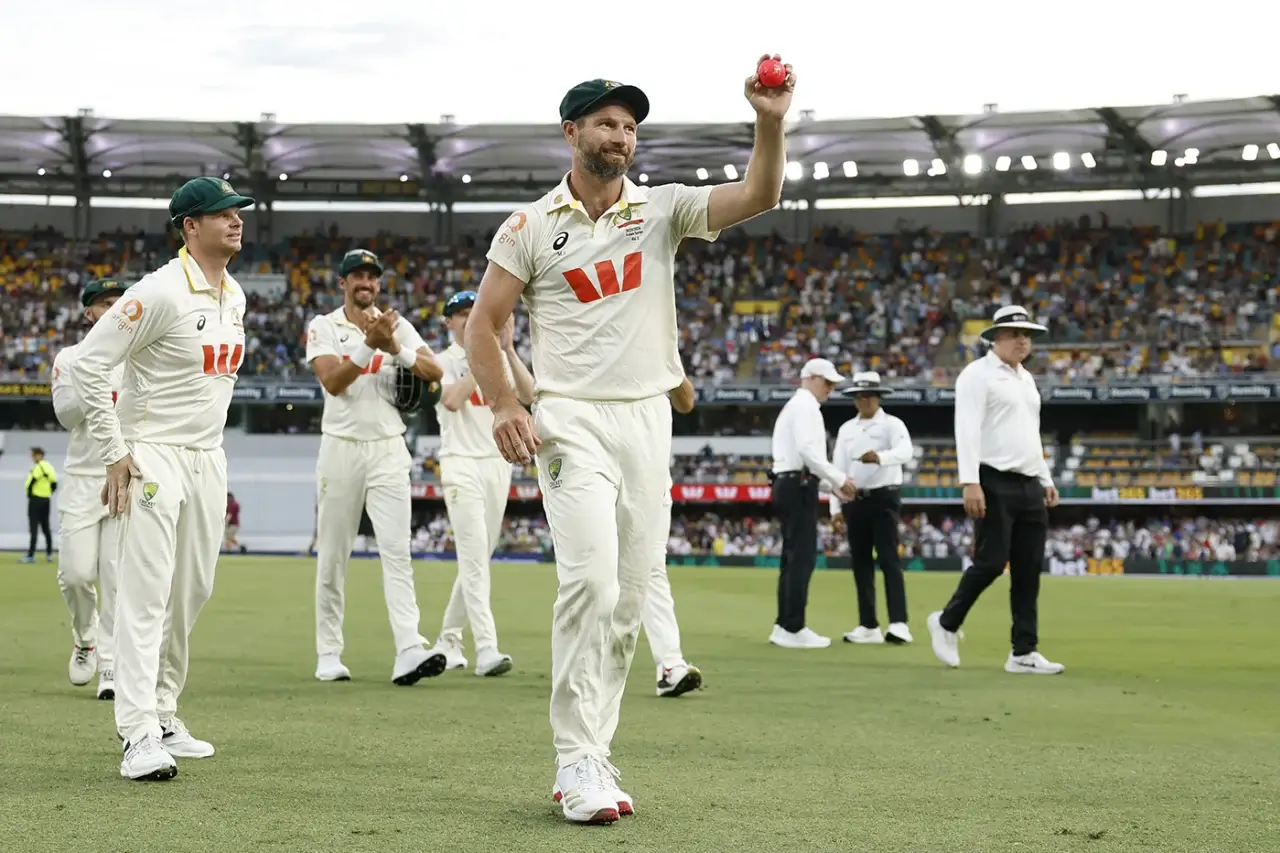
This was not a routine fourth-innings pursuit. The surface had already produced chaos—variable bounce, lateral movement, uncertainty every over. Across the match, the highest partnership was just 52. Batters struggled to settle. Bowlers stayed on top like Australia dominates other teams.
A target of 175 looked modest on paper, but context inflated it. England knew that passive batting would invite collapse. Allowing Australia’s quicks to settle meant conceding control. The chase demanded disruption from the first ball. That understanding framed England’s approach at the top. They did not seek safety. They sought leverage.
Why Crawley’s Six Was the First Statement?
Crawley’s straight six was not a slog. It was calculated aggression. Australia kept Alex Carey up to the stumps, denying room and dragging Crawley deep in the crease. Crawley countered by stepping out, turning length into opportunity.
The shot did three things instantly. It broke Australia’s early control. It forced immediate field changes. And crucially, it damaged the new ball.
Steven Smith later confirmed what many suspected: the heavy contact with the LED boards softened the seam. On a surface where seam movement mattered, that was decisive. From that moment, Australia lost a fraction of its bite. In this match, fractions mattered.
How Early Aggression Shielded England’s Middle Order
England’s openers did not chase recklessly. They targeted specific overs. Ben Duckett attacked with width. Crawley attacked length. Their 51-run stand was England’s best opening partnership of the tour. More importantly, it consumed overs with the hardest ball.
By the time Duckett fell, the shine had dulled. Movement reduced slightly. That subtle shift changed the risk equation for incoming batters.
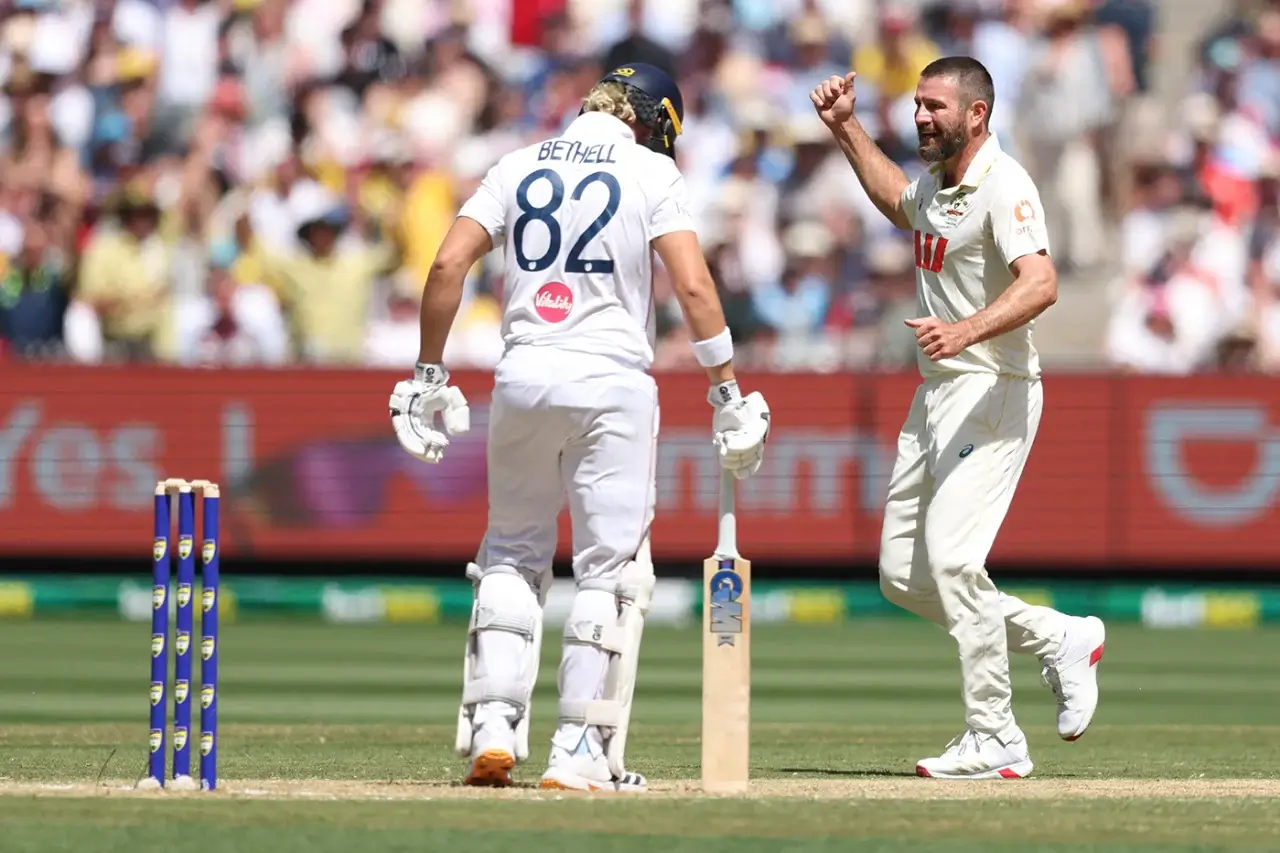
Jacob Bethell, in particular, benefited. He faced a ball that still threatened but no longer screamed. That difference allowed him to build the innings that anchored the chase.
The LED Boards: A Modern, Match-Changing Detail
Modern Test cricket incorporates elements not seen in previous eras. LED advertising boards are one of them. England’s players have spoken about how heavy contact with boards can alter ball condition. White-ball thinking influenced red-ball execution here.
Crawley’s six was not the only heavy blow, but it was the most impactful. Smith acknowledged the seam softened noticeably after those early shots. On a pitch offering movement throughout, reducing that movement even marginally changed batting conditions. England exploited that window perfectly.
Duckett’s Chaos Had a Purpose
Duckett’s innings often look chaotic—scoops, whips, misses. Here, chaos served a purpose. He forced Australia to protect areas they wanted to attack. Fine leg came back. The third man moved. Gaps opened.
Even when Duckett missed, bowlers felt pressure. They shortened the lengths. They strayed wider. Control loosened. His dismissal for 34 still stretched the powerplay-like phase deeper into the chase, buying time and space.
The Carse Promotion: Buying Time, Not Runs
England’s decision to send Brydon Carse at No.3 raised eyebrows. It was not about stability. It was about time. Carse faced the most dangerous phase with a still-firm ball, absorbing overs and delaying exposure for England’s specialists.
He did not succeed statistically. But his 14 minutes mattered. Bethell walked in against a softer ball and calmer field. This was Bazball logic refined—sacrifice for advantage elsewhere.
Bethell’s Calm Was the Chase’s Backbone
While early aggression grabbed attention, Bethell provided control. He resisted forcing shots, rotated strike, and waited for errors. On a pitch punishing impatience, his composure stood out.
Bethell’s 40 was the highest score of the chase. It stitched together the chaos above and below him. Without that calm, England’s early momentum might have evaporated.
Why Australia Could Not Reclaim Control
Australia did not bowl poorly. They simply lost leverage. Once the ball softened, lengths became easier to manage. Fields spread earlier than planned. Dot-ball pressure eased.
England adjusted smartly. After an initial period of aggression, they shifted into rotation mode. Ones and twos replaced boundaries. The target shrank quietly. By the time Australia sensed danger again, the chase was already under control.
Was It Really Just One Shot?
No Test is won by a single stroke. But some shots unlock pathways that others cannot. Crawley’s six did not win the match alone. It created conditions where winning became possible. It shortened Australia’s window of dominance.
In a contest defined by fine margins, that moment stands taller than most. England chased 175 not because they batted safely, but because they chose the right moment to be bold.
Final Word
England’s MCG victory was not about recklessness. It was about targeted aggression. Crawley’s straight six symbolised that intent. One shot softened the ball. Others exploited the opening.
In a chaotic Test on a treacherous surface, England found clarity early. And sometimes, clarity begins with a single, fearless stroke.