

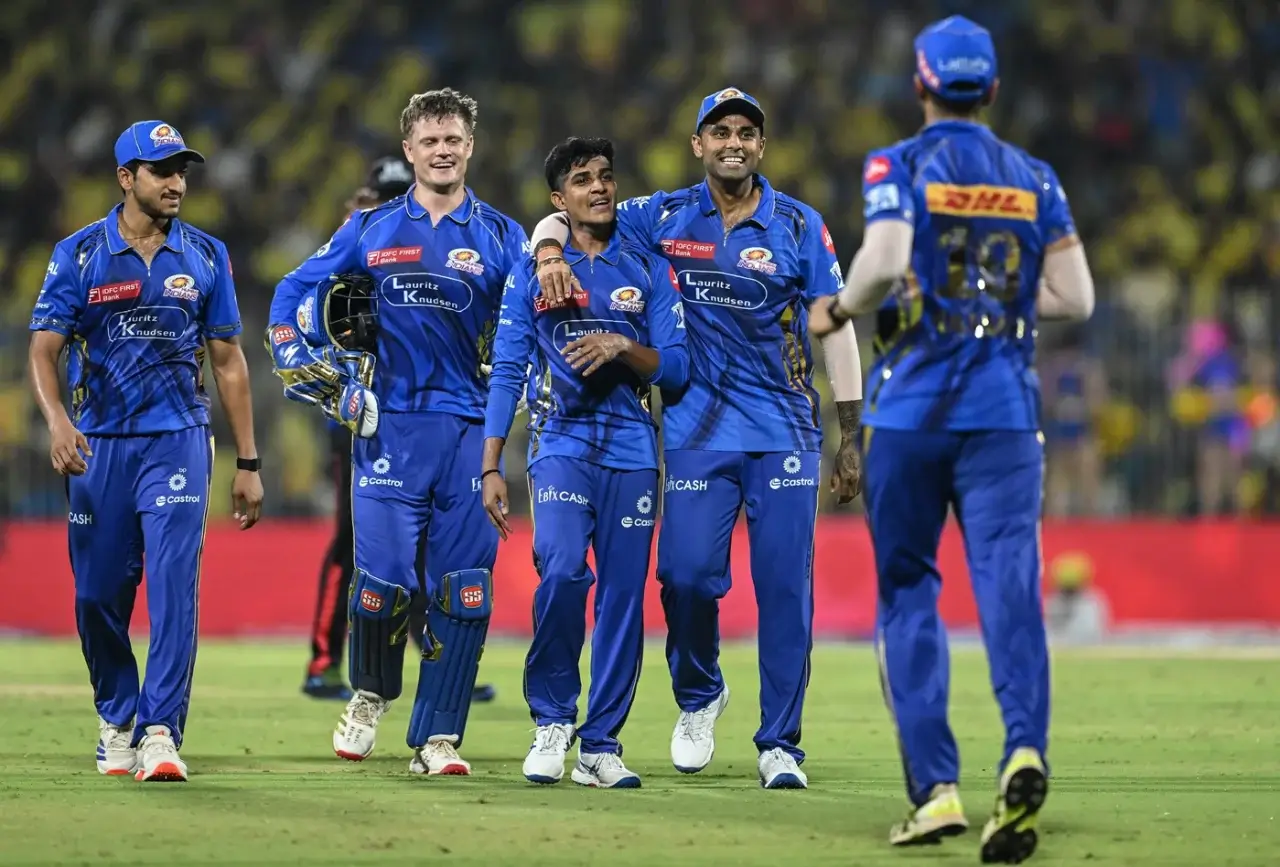
Some IPL rivalries are built on star power. Others are built on moments. The contest between Mumbai Indians and Punjab Kings belongs firmly to the second category.
On paper, Punjab Kings often look equal. Strong top orders. Explosive finishers. Capable bowling attacks. Yet when matches tighten, outcomes rarely change. Mumbai walk away winners. Punjab walk away searching for answers.
This pattern repeats every season. Close chases. Tight defenses. Last five overs. One team slows the game. The other speeds it up. Calm meets chaos. Control meets panic.
This article breaks down why Mumbai Indians dominate clutch moments against PBKS. It explains the mental, tactical, and structural gaps that decide outcomes. More importantly, it shows why these moments keep repeating despite player changes and seasons passing.
Mumbai Indians Are Built for Pressure Cricket
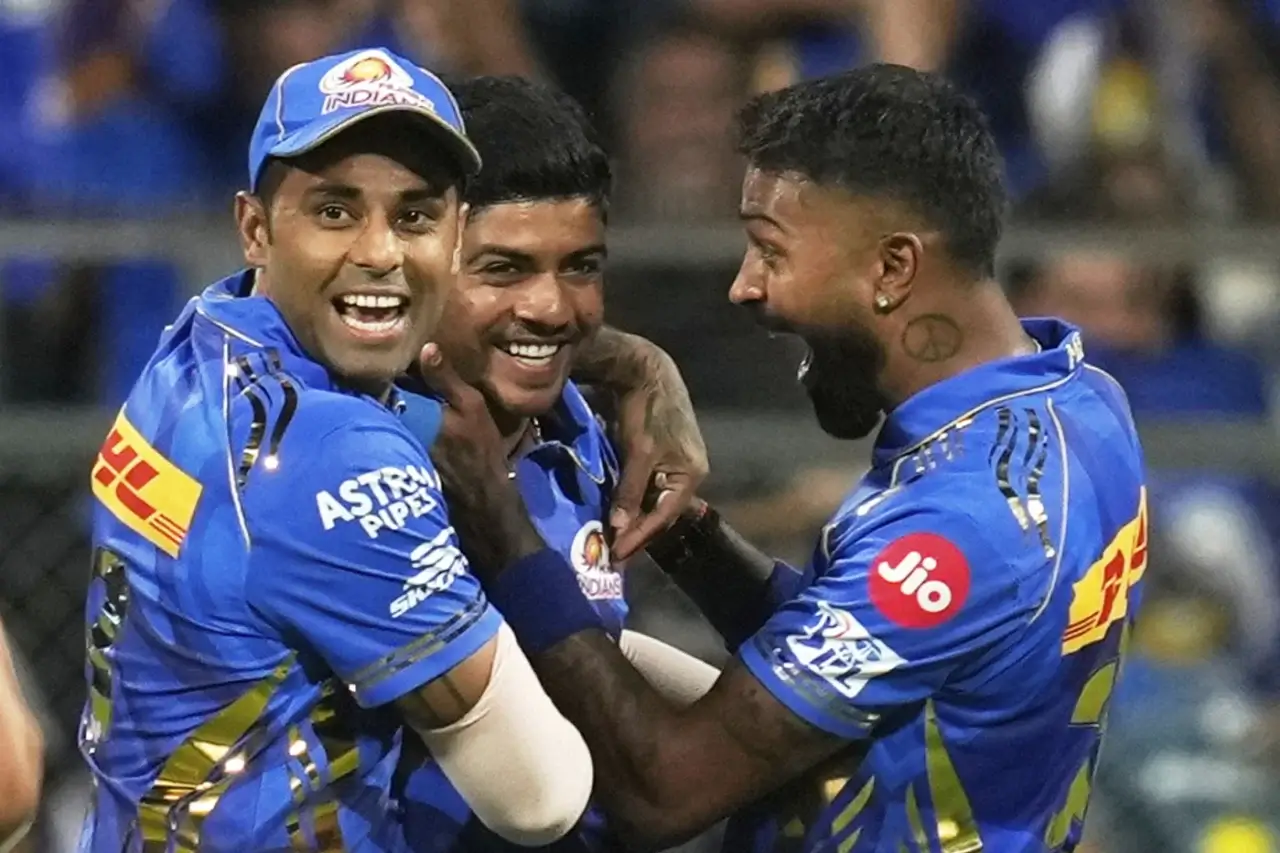
Mumbai Indians do not panic when the game slows. They expect pressure phases to arrive. Their entire team structure reflects this belief.
Across IPL seasons, MI invests in players who are comfortable under pressure. Not just superstars, but role specialists. Bowlers who recover after a missed yorker. Batters who rotate strike without forcing boundaries.
This culture comes from years of winning tight games. Pressure situations feel familiar. Decision-making becomes instinctive. Punjab Kings often enter clutch moments still discussing plans. Mumbai enters executing pre-decided roles.
That difference shows in body language. MI fielders stay sharp. PBKS players rush routines. Pressure does not create this gap. It simply exposes it.
Death Overs: Where MI Separate Themselves?
Most MI vs PBKS matches are decided after the 15th over. This phase consistently favours Mumbai Indians. MI bowlers attack zones, not individual batters. Wide yorkers are repeated. Slower balls hit hard lengths. Fielders are placed early, not adjusted mid-over. Punjab Kings batters, meanwhile, chase momentum. One boundary becomes a trigger for high-risk shots. Execution drops. Wickets follow quickly.
This is why PBKS totals often stall between overs 16 and 20. Singles dry up. Boundaries become forced rather than planned. Mumbai understands that death overs are about denial, not domination. That discipline repeatedly wins them games.
MI’s Leadership Handles Chaos Better
Leadership remains invisible until pressure arrives. Then it decides matches. Mumbai Indians’ captains have historically trusted their systems. Bowling changes are proactive. Field shifts are subtle. Plans rarely change mid-over. Punjab Kings’ leadership often reacts instead. A boundary forces a change. A dropped catch creates doubt. Momentum slips away quickly.
Clutch cricket rewards calm authority. Mumbai shows it naturally. Punjab continues searching for it. This leadership gap explains why PBKS lose winnable games. Talent keeps them close. Decision-making pushes them away.
Punjab Kings’ Recurring Clutch Problem
Punjab Kings do not lack skill. They lack sequencing under pressure. In crunch moments, too many PBKS batters target the same areas. Bowlers chase wickets instead of controlling runs. Roles blur when clarity is needed most.
This leads to collapses that feel sudden but are predictable. One mistake invites another. Pressure compounds rapidly. Mumbai waits for this phase patiently. They do not force errors. They allow Punjab to create them. Until PBKS fix their sequencing in pressure moments, results against MI will remain painfully familiar.
The Psychological Edge MI Carries Into Every Close Game
Past results matter in clutch sports. Players remember outcomes even when they deny it. Mumbai Indians walk into tight finishes expecting victory. Punjab Kings carry memories of loss. That mental edge shows in execution quality. A yorker lands cleaner. A risky single gets denied. A mis-hit finds a fielder instead of grass.
These moments look minor individually. Together, they decideon matches. MI vs PBKS is not about talent difference. It is about belief under pressure.
How MI Control the Tempo Better Than PBKS?
Mumbai Indians understand when to slow the game. They deliberately delay momentum shifts. Batters take extra seconds between balls. Bowlers reset fields calmly. Small pauses break opposition rhythm.
Punjab Kings often do the opposite. They rush overs. They chase quick boundaries. Tempo accelerates against them.mIn T20 cricket, control beats speed in clutch moments. Mumbai master this art. Punjab struggle against it. Tempo control is one of MI’s most underrated strengths.
Why PBKS Struggle With Role Clarity Late in Games?
Clutch moments demand clarity. Everyone must know their job instantly. Mumbai players understand roles deeply. One batter anchors. One attacks. Others support without ego. Punjab Kings often have overlapping roles. Too many hitters. Too few stabilisers. Confusion follows quickly.
When pressure rises, unclear roles lead to rushed shots and poor bowling plans. Role clarity is not talent-based. It is preparation-based. MI excels here.
Fielding Standards Decide MI vs PBKS Finishes
Close games amplify fielding value. Mumbai Indians treat fielding as a weapon. Boundary riders hold shape. Inner ring fielders cut singles. Throws stay flat and accurate. Punjab Kings leak small margins. Misfields. Overthrows. Late dives.
In clutch games, ten extra runs conceded decide outcomes. MI save them. PBKS gift them. Fielding discipline remains a silent difference between these sides.
What PBKS Must Change to Win Clutch Games?
Punjab Kings must simplify end-game plans. One batter anchors. One attacks. Everyone else supports. Bowlers must value dot balls. Defensive pride must replace wicket obsession.
Leadership must trust preparation. Stop reacting. Start controlling. Most importantly, PBKS must accept that pressure moments require restraint, not heroics. Until these changes happen, Mumbai Indians will continue owning the clutch phases.
Why This Rivalry Keeps Repeating the Same Story?
Players change. Coaches change. Seasons change. Outcomes remain similar. That is because systems outlast individuals. Mumbai Indians’ system absorbs pressure. Punjab Kings’ system amplifies it.
Until PBKS rebuilds its clutch structure, this rivalry will stay one-sided when it matters most. The margins are small. The patterns are not.
MI vs PBKS is the IPL’s clearest example of pressure deciding outcomes. Mumbai do not win because they are flashier. They win because they are calmer. Punjab Kings compete bravely. Mumbai Indians finish ruthlessly. And in T20 cricket, finishing is everything.

