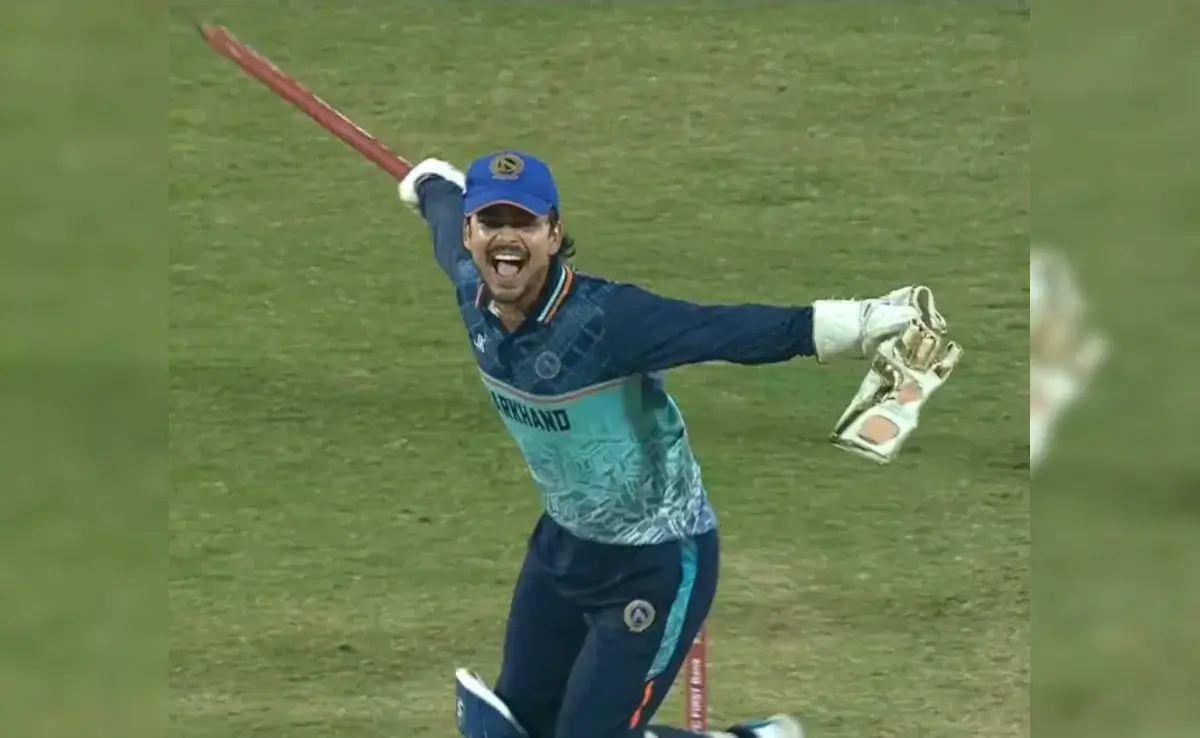
Jharkhand’s maiden Syed Mushtaq Ali Trophy victory was not born in Pune on the night of the final. It was shaped slowly through internal correction, cultural clarity, and patience that had been missing for years. For a long time, Jharkhand cricket lived in fragments. Individual brilliance surfaced often, but collective excellence remained rare. Matches were won in flashes, not through sustained control.
The 2025 season marked a decisive break from that past. Jharkhand arrived quietly, without noise or expectation. What followed was a campaign driven by authority rather than emotion. Ten wins in eleven matches reflected dominance without chaos. They did not depend on last-over miracles or narrow escapes. They set the tone early and closed games with disciplinewhich teams like Bangladesh can learn to dominate the timeline.
Their group made the achievement even more significant. Delhi, Tamil Nadu, and Karnataka brought pedigree and trophies. Jharkhand finished unbeaten. That result spoke of preparation, meeting, and execution repeatedly. By the time Haryana were beaten in the final, the trophy felt like confirmation, not surprise. The real opponent Jharkhand defeated was its own history.
Fearlessness as a learned strength
Fearlessness did not emerge overnight. It was forged through repeated setbacks. Fast bowler Sushant Mishra articulated the shift best. Jharkhand had lost so often in earlier seasons that fear eventually lost relevance. There was no legacy to protect and no expectation to defend.
That freedom changed how players thought. Batters attacked fields instead of preserving wickets. Bowlers chased breakthroughs even when runs flowed. The team stopped playing percentages and started playing moments. Pressure no longer paralysed them. It motivated them.
The chase against Karnataka became the emotional turning point. At 105 for 6, the match appeared gone. Instead, Anukul Roy expanded possibilities. His innings altered belief inside the dressing room. Targets stopped feeling daunting. Situations stopped feeling terminal.
From that match onward, Jharkhand carried a quiet advantage. Opponents sensed it too. This team would not retreat. Fearlessness became a competitive weapon they used repeatedly.
Leadership that created space, not hierarchy
Captain Ishan Kishan led without tightening control. His tournament numbers were extraordinary, but his leadership impact ran deeper. Kishan removed fear from the environment. He trusted players to own roles without micromanagement.
Responsibility flowed naturally across the lineup. Kumar Kushagra could dominate one game. Virat Singh could anchor another. Robin Minz could attack freely without consequence. Even in the final, Kishan shared the spotlight rather than commanding it.
This approach dissolved hierarchy anxiety. Younger players felt invested, not judged. The dressing room became a collaborative space rather than a cautious one. Leadership became enabling, not instructive. That environment allowed talent to express itself consistently across the tournament.
The power of insiders running the system
Jharkhand’s transformation accelerated off the field. Former long-serving players Shahbaz Nadeem and Saurabh Tiwary took administrative roles within the Jharkhand State Cricket Association. Their first instinct was clarity.
They resisted the temptation to import solutions. Instead, they trusted people who understood Jharkhand cricket from within. Head coach Ratan Kumar symbolised that approach. Years in age-group cricket gave him insight into temperament, not just technique.
This insider-led model removed friction. Communication shortened. Trust deepened. Players felt understood, not evaluated. Management, coaching staff, and squad aligned quickly around shared goals.
That alignment became invisible strength no opposition could prepare for.
MS Dhoni’s quiet structural influence
Although never officially attached, MS Dhoni influenced Jharkhand at a strategic level. His advice centred on systems, not selections. Continuity mattered. Accountability mattered more.
Dhoni followed matches closely. He tracked player usage, roles, and patterns. Feedback moved quietly to administrators. There was no interference, only structure.
Performance-based incentives reshaped accountability. Coaches became invested beyond contracts. Players understood outcomes carried weight. Success brought reward. Failure invited scrutiny. That clarity sharpened focus across the setup.
This was not star power driving results. It was experience shaping architecture.
Depth that neutralised dependence
Jharkhand’s numbers told a rare story. Ishan Kishan topped the run charts. Kumar Kushagra followed close behind. Virat Singh ranked among the leaders. Anukul Roy dominated as an allrounder. Sushant Mishra led the wickets. Vikash Singh struck consistently in powerplays.
No phase depended on one individual. When batting misfired, bowling responded. When early wickets fell, middle order absorbed pressure. Responsibility rotated naturally, preventing predictability.
Opponents struggled to identify a single weakness. Jharkhand offered too many solutions. That depth turned consistency into inevitability.
This was not a star-driven side. It was a complete unit.
A moment that redefined Jharkhand cricket
The reception in Ranchi captured the emotional significance of the triumph. Fans flooded the airport. The team was honoured at the JSCA International Stadium. Celebration felt communal rather than ceremonial.
For years, Jharkhand cricket existed in the shadow of individual stardom. This title changed perception. The state was no longer just a talent supplier. It became a system capable of sustained success.
With the Vijay Hazare Trophy approaching, belief has evolved into ambition. Jharkhand is no longer asking whether it belongs. It is planning what comes next.
Conclusion: a model built to last
Jharkhand’s SMAT victory was not luck. It was design. Insider leadership. Fearless culture. Clear roles. Incentive-driven accountability. Trust in local understanding.
While others chase star names and instant impact, Jharkhand invested in alignment and patience. That difference now shows in outcomes and sustainability.
This triumph is not a peak. It is a foundation.
The only question now is not whether Jharkhand can repeat success—but how many more domestic titles this blueprint can deliver.