World Cup selections are rarely kind. They arrive when time has almost run out and demand instant certainty. India’s final T20 World Cup squad announcement was one such moment, sharp in execution and brutal in consequence.
For nearly six months, India appeared settled. The combination had delivered trophies, bilateral success, and clarity of roles. Shubman Gill, vice-captain and first-choice opener, seemed embedded in the plan. The squad looked finished well before the deadline.
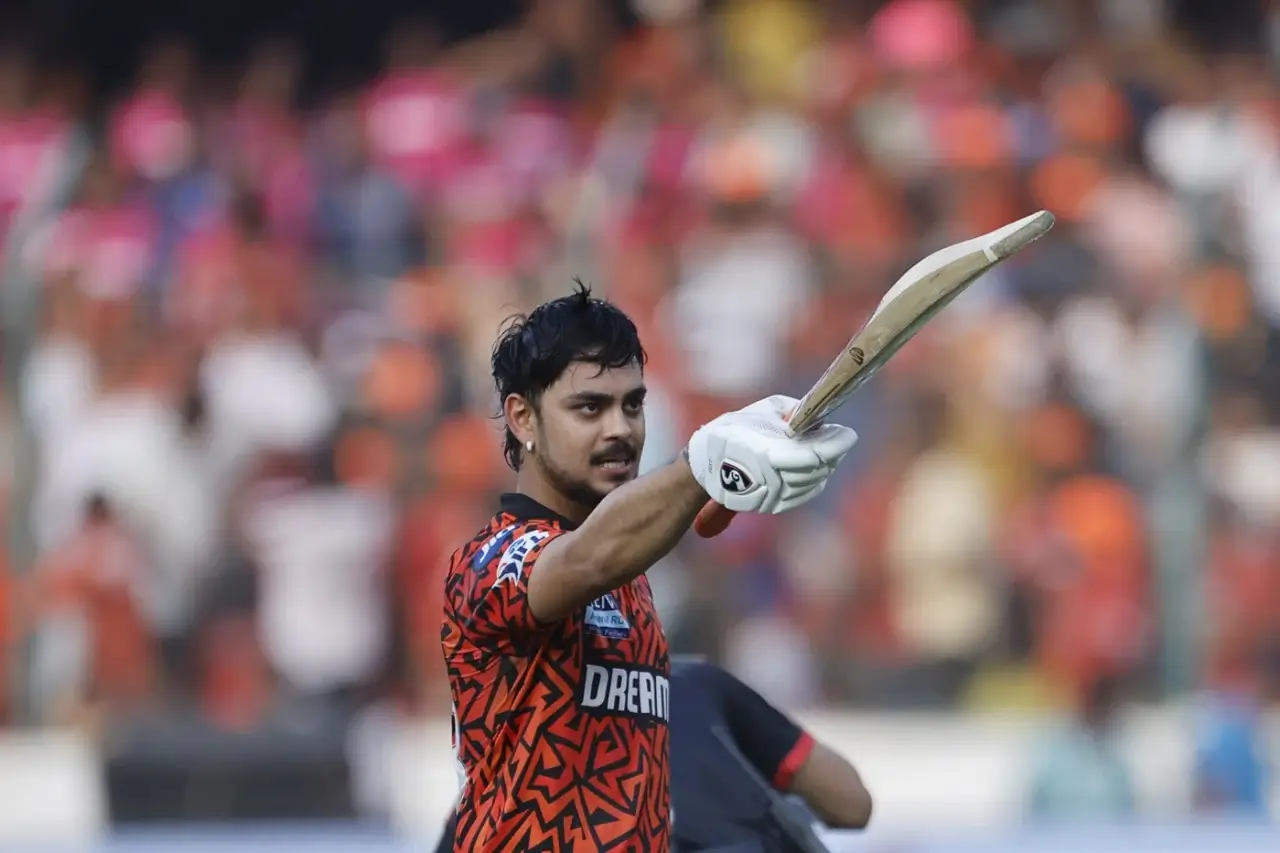
Then domestic cricket forced a rethink. Ishan Kishan produced a surge that could not be ignored. The team management found itself with an unexpected option and a familiar problem: someone had to make way. The choice shocked many, but it followed a cold internal logic.
Gill’s omission was not emotional. It was not ideological either. It was a decision shaped by timing, balance, and the unforgiving nature of T20 cricket. The real debate is not whether Gill is good enough, but whether India read the moment correctly.
Gill’s Exit Was About Timing, Not Talent
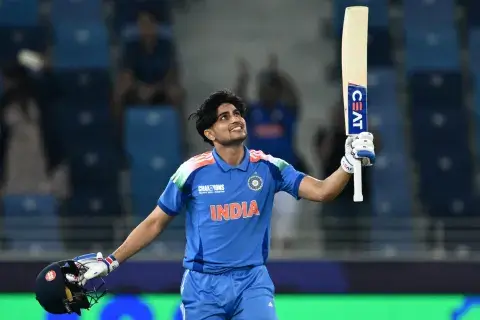 Shubman Gill’s recent run does not scream failure. His strike rate remained respectable, and his method stayed sound. What hurt him was the absence of defining innings. In fifteen matches, no fifty stands out, and in T20 cricket, optics matter almost as much as output.
Gill’s value lies in control. He scores steadily outside the power play and keeps innings intact. That skill once separated him from peers like Yashasvi Jaiswal and Sanju Samson. It gave India a sense of order at the top, especially when the middle order looked fragile.
However, recent performances blurred that advantage. The runs came without authority, and the innings lacked inevitability. When selections tighten before a World Cup, selectors stop projecting potential and start counting moments. Gill simply ran out of them at the wrong time.
This was not a rejection of class. It was a response to stalled momentum, and in T20 cricket, stalled momentum is often fatal.
Why Ishan Kishan Changed the Equation?
Kishan’s return was not just about runs. It was about solutions. His domestic form came with intent, volume, and leadership, but his real value lay elsewhere. He offered flexibility that few others could.
Kishan can open aggressively, keep wickets, and absorb pressure roles if required. By including him, India protected the middle order without reshaping it. That convenience mattered deeply at a late stage of selection.
This was not a straight contest between Gill and Kishan. It was a structural choice. Gill offered a higher ceiling at his best. Kishan offered insurance across multiple scenarios. In a World Cup, selectors often choose the option that reduces chaos rather than maximises brilliance. Kishan did not replace Gill directly. He replaced uncertainty.
Rinku Singh and the Invisible Hand Behind the Decision
Rinku Singh has been central to India’s T20 thinking for a while. His finishing ability is rare, repeatable, and increasingly non-negotiable. The problem was never Rinku’s quality. It was where to fit him.
Gill’s presence at the top squeezed the middle. Someone had to give, and once selectors decided Rinku’s role could not be compromised, the rest followed. Gill’s exit opened space without disturbing established middle-order responsibilities.
In many ways, this was a Rinku-first decision. Everything else was secondary. India chose death-overs certainty over top-order elegance, a trade that says a lot about how they expect matches to be won.
The Quiet Casualty: Jitesh Sharma
Jitesh Sharma did little wrong. He adapted quickly, handled pressure, and delivered in a difficult role. Yet he found himself squeezed out by arithmetic rather than performance.
Once selectors decided they needed two wicketkeepers who could bat in similar positions, Jitesh became expendable. This is selection cruelty in its purest form, where competence is irrelevant, and structure dictates fate.
Such omissions rarely make noise, but they reveal the hardest truth about tournament squads. Sometimes, being good is not enough.
Trust, Hierarchy, and the Samson–Jaiswal Reality
Sanju Samson continues to enjoy the confidence of the team management. Even when returns fluctuate, opportunities return quickly. That trust has been built over time and is not easily broken.
Yashasvi Jaiswal remains the unlucky constant. Every cycle seems to move him closer, then push him aside. The competition above him keeps shifting, but his timing never aligns.
This highlights a hierarchy that often goes unspoken. India prioritises role familiarity and comfort under pressure. Raw talent matters, but predictability matters more when the stakes rise.
Leadership Optics and the Suryakumar Factor
Suryakumar Yadav enters the tournament with form questions of his own. That makes Gill’s omission appear awkward, but the comparison is misleading.
Suryakumar offers something few players in world cricket can replicate. His impact ceiling is unique, and selectors are willing to absorb short-term dips for that reason. Gill, despite his quality, does not occupy that space of irreplaceability.
Leadership also matters. Captains are afforded time, trust, and tolerance that others are not. This is not unfair; it is how teams function at the highest level.
A Short-Term Call With Long-Term Consequences
There is no escaping the truth that this was a short-term decision. India chose immediate balance over future projection. They traded Gill’s potential match-winning ceiling for structural safety.
If pitches flatten and powerplays dominate, Gill’s absence may be felt. If matches go deep and finishing decides outcomes, this decision may look inspired. There is no middle ground. World Cups force binary choices. India made one, fully aware that they cannot reverse it.
Conclusion
India did not drop Shubman Gill because he lacked ability. They dropped him because timing, balance, and structure demanded sacrifice. Kishan’s form opened the door, Rinku’s role locked it, and Gill stood in between.
This was a logical decision. It was also a painful one. Whether it proves correct will only be known weeks from now, but the thinking behind it is clear.
In T20 cricket, selection is not about fairness. It is about reducing regret. India has chosen the path it believes leaves the fewest unanswered questions.