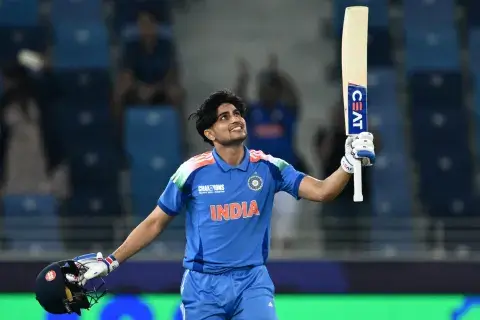
India’s T20 World Cup 2026 squad announcement is drawing closer with every passing series, and while most positions appear settled, the selectors are not entirely free from difficult decisions. Stability usually dominates thinking at this stage of a tournament cycle; yet, one debate continues to cut through internal meetings and public discussions alike. The question of Shubman Gill versus Ishan Kishan refuses to settle quietly, largely because it represents a clash between long-term planning and immediate form.
Indian selectors traditionally value continuity before major ICC tournaments to preserve leadership clarity and role definition, but T20 cricket has never been a format that respects sentiment or patience.
It rewards current impact, fearless execution, and momentum, forcing decision-makers to constantly reassess comfort zones. Gill represents trust, structure, and future leadership planning, while Kishan represents form, explosiveness, and instant match influence. Choosing between them ultimately reveals how India wants to approach the World Cup rather than who is the better player.
Shubman Gill’s Recent T20I Returns Raise Valid Questions
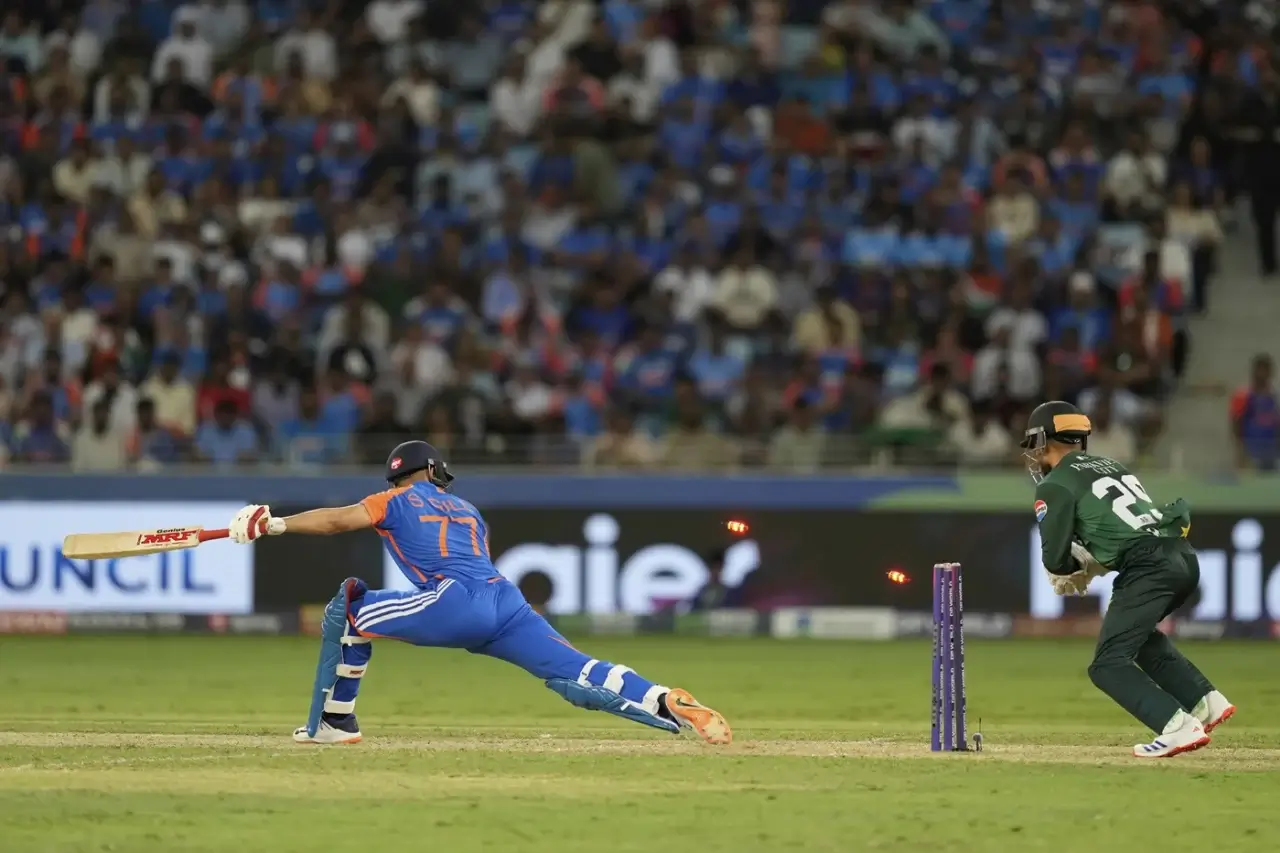
Shubman Gill’s recent T20I performances have increasingly lacked authority at the top of the order, raising legitimate concerns within the selection group. He has now gone eighteen innings without registering a half-century, a statistic that becomes more uncomfortable when placed in the context of modern T20 expectations. For an opener, starting without conversion often transfers pressure to the middle order rather than easing it, and that pattern has become difficult to ignore.
Even when numbers are set aside, Gill’s overall impact feels limited, with his standout effort still being a controlled 47 against Pakistan at the Asia Cup. That innings showed intent, composure, and situational awareness, but similar contributions have been scarce since then.
In the ongoing South Africa series, scores of 4, 0, and 28 have failed to decisively shift momentum in India’s favour, and bowlers were rarely forced to alter lengths or strategies against him. This absence of dominance has quietly fuelled doubt rather than panic.
Why Gill Continues to Enjoy Strong Selector Backing?
Despite the concerns, Gill’s security is rooted in factors that extend well beyond short-term T20 numbers. He currently serves as India’s T20I vice-captain, and leadership roles often come with selection insulation, particularly close to global tournaments.
Selectors are naturally hesitant to disrupt established leadership groups, especially when clarity and calm are valued over experimentation. Gill is also viewed through a long-term developmental lens, with the management seeing him as a future all-format leader.
Dropping him weeks before a World Cup risks sending mixed strategic signals and undermining broader planning. Additionally, his opening partnership with Abhishek Sharma offers tactical balance, with Gill providing control while Abhishek brings early aggression. This pairing allows India greater flexibility in the batting order, a factor that selectors weigh heavily when assembling tournament squads.
Ishan Kishan’s Syed Mushtaq Ali Trophy Form Demands Attention
Ishan Kishan’s Syed Mushtaq Ali Trophy campaign was nothing short of outstanding and impossible to overlook. He amassed 517 runs at a strike rate approaching two hundred while finishing as the tournament’s leading six-hitter, underlining sustained dominance rather than a brief purple patch. His intent was evident from the very first ball, with no hesitation or settling period, immediately placing bowlers under pressure.
That clarity of role aligns perfectly with modern T20 demands, where decisiveness often outweighs elegance. Importantly, Kishan delivered consistently across venues and bowling attacks, suggesting restored confidence rather than isolated brilliance. Selectors inevitably take note of such momentum, even when squad balance complicates immediate inclusion.
The Structural Problem Blocking Kishan’s Path
Despite his form, Kishan faces a significant structural challenge within India’s current T20 setup. All his runs came as a top-order opener, a position where India already appears settled. Gill and Abhishek remain the preferred opening pair, Tilak Varma is firmly positioned at number three, and Suryakumar Yadav continues at four despite recent struggles.
This squeezes available space drastically, leaving little room for reshuffling without causing ripple effects. Kishan’s realistic role therefore becomes that of a backup opener and an additional wicketkeeping option. However, backup roles rarely guarantee meaningful World Cup involvement, and timing, unfortunately, works against him in this selection cycle.
Suryakumar Yadav’s Form Slump Shapes Selection Caution
Suryakumar Yadav’s recent form slump has quietly shaped selection caution across the top order. His output has dipped significantly over the past year, yet selectors remain patient due to his unmatched ceiling and ability to change games in a matter of overs. Dropping Gill while simultaneously backing an out-of-form Suryakumar would introduce multiple uncertainties at the top, a risk India cannot afford before a World Cup. As a result, selectors prefer limiting variables and maintaining familiarity across roles. Predictability is often prioritised over bold experimentation at this stage, with World Cups historically rewarding clarity more than courage.
Allrounder Preference Pushes Specialists to the Margins
Gautam Gambhir’s coaching philosophy has become increasingly evident since taking charge, with a clear preference for allrounders over specialist batters. Versatility offers flexibility in unpredictable tournament conditions, shaping squad composition heavily. Washington Sundar’s value lies in his dual skill set, with off-spin and lower-order batting providing vital insurance. With Hardik Pandya fit again, balance becomes even more crucial, subtly tilting selection decisions. As a result, players like Rinku Singh, despite strong finishing credentials, feel vulnerable due to relatively one-dimensional roles. Modern T20 squads prioritise adaptability and coverage, and specialists often pay the price.
What the New Zealand Series Will Quietly Decide?
Officially, the upcoming New Zealand series serves preparation purposes, but unofficially it acts as final confirmation for several roles. Gill needs authoritative starts rather than cautious accumulation to reinforce trust, while Kishan needs opportunities to show adaptability if chances arise.
Middle-order roles, bowling balance, and finishing combinations will all be tested under match pressure. Selectors will closely observe decision-making rather than raw scores, with context shaping final judgments. The series is not about reinventing the squad but about reassurance and clarity before the World Cup. Confidence, not chaos, is the underlying objective.
Final Verdict: Stability Over Momentum, For Now
Shubman Gill remains India’s first-choice opener heading into the T20 World Cup, with his position protected by planning, leadership trust, and structural balance. A dramatic collapse in form could reopen the door, but for now that scenario appears unlikely. Ishan Kishan has done everything selection demands, except arrive at the right moment in the cycle.
His form deserves recognition rather than exclusion, but squad balance continues to outweigh individual brilliance. World Cup selections are rarely cruel by intention; they are shaped by timing, combinations, and risk management. For now, Gill stays, Kishan waits, and India hopes stability delivers when pressure peaks.