

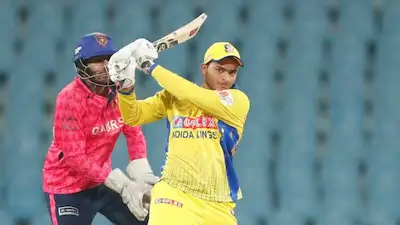
When Chennai Super Kings raised the paddle for Prashant Veer in Abu Dhabi, it was not just a bid. It was the culmination of a journey that once nearly ended before it truly began. At 20, Veer became the joint-most expensive uncapped Indian player in IPL history. Five years earlier, he was considering walking away from cricket entirely.
Life in Saharanpur did not offer safety nets. Cricket was not a hobby for Prashant Veer. It was either a profession or a risk his family could not afford. That pressure shaped him early and stayed with him long after success arrived.
A Childhood Where Cricket Was a Gamble
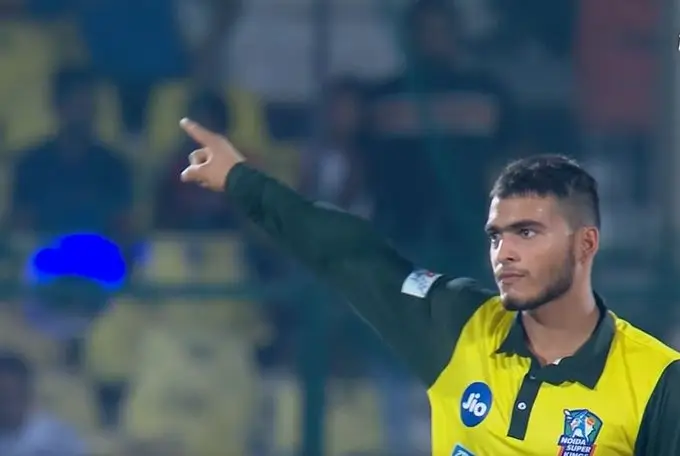
In 2020, everything collapsed at once. Prashant lost his grandfather, the only steady source of income in the family. His father’s salary as a Shiksha Mitra barely covered household expenses. Cricket kits, travel, and training suddenly felt like luxuries.
There were days when quitting seemed logical. His childhood coach, Rajiv Goel, remembers those moments clearly. Veer was talented, but talent alone could not pay bills. Help arrived quietly. Coaches covered local expenses. Friends shared equipment. Cricket survived on goodwill.
Those years built discipline. Nothing came free. Every session mattered.
The Saharanpur Turning Point
A crucial decision came in 2019. On the advice of his roommate, Rakshit Garg, Prashant left the Mainpuri Sports Hostel and moved to Saharanpur. It was a risky choice. Government sports hostels in Uttar Pradesh are rare opportunities, heavily subsidised and fiercely competitive.
But Garg believed Rajiv Goel could unlock something more. Knowing Prashant’s financial reality, Garg offered him a place to stay. The two trained together daily, cycling to practice. Prashant pedalled on the way in, rested on the way back.
They grew like brothers. Garg progressed quickly, making the Under-16 side. Prashant narrowly missed out. That rejection shook him deeply.
Almost Walking Away Again
Doubts returned. Uttar Pradesh cricket is unforgiving. Competition is relentless. Prashant questioned whether staying was worth it. In another moment of uncertainty, he enrolled in a college in Chandigarh, hoping an easier pathway might exist.
Ironically, that detour clarified everything. His performances forced selection back home. He broke into Uttar Pradesh’s Under-19 side and never looked back. His all-round impact stood out immediately.
Goel remembers the early technical gaps. Certain shots were missing. But there was no need to rebuild him. The power, balance, and instinct were natural.
Numbers That Demanded Attention
By 2022–23, Prashant topped Uttar Pradesh’s run charts in the Cooch Behar Trophy. Soon came Syed Mushtaq Ali Trophy exposure. Consistency followed across formats.
The UP T20 League turned him into a name. Playing for Noida Kings, and later captaining them, he scored 320 runs at a strike rate above 155 in 2025. He also chipped in with eight wickets at under seven runs per over.
Locals began calling him “Miller” for the way he cleared boundaries. The nickname stuck.
Even while juggling senior and Under-23 commitments, playing six matches in seven days, his standards did not drop. Scouts noticed. CSK watched closely.
The ‘Next Jadeja’ Tag and the Auction Moment
In Uttar Pradesh circles, comparisons with Ravindra Jadeja surfaced early. A left-arm spinner who bats with freedom. A player comfortable under pressure. The tag brings weight, but also opportunity.
When CSK sealed the INR 14.2 crore deal, Veer’s first call was not scripted. It went to Rakshit Garg. The same friend who shared cycles, rooms, and dreams.
Garg’s own journey had taken a different turn. Family loss forced him away from cricket. He now runs a sports goods shop in Saharanpur. Pride replaced regret.
Prashant Veer’s story is not about instant success. It is about survival, patience, and belief from unlikely places. Coaches who paid small bills. Friends who opened doors. Choices that carried risk.
The IPL money changes life. It does not erase memory. Veer knows where he comes from. That grounding may matter as much as his skills.
For CSK, they have bought potential. For Prashant Veer, the journey that once nearly ended has only just begun.
Prashant Veer’s IPL moment did not arrive overnight. It came after years of doubt, sacrifice, and discipline. At just 20, he became the joint-most expensive uncapped Indian player in IPL history. Chennai Super Kings paid INR 14.2 crore for belief and potential.
Five years ago, quitting cricket felt realistic. Money was tight. Family responsibilities were heavy. Cricket was never a hobby for him. It had to become a profession.
His journey began in small grounds, shared cycles, and borrowed kits. Coaches stepped in quietly. Friends opened their homes. Every step forward carried risk.
This is not a story of privilege. It is a story of persistence. And timing finally met preparation in Abu Dhabi.
Early Struggles and a Career Almost Abandoned
In 2020, life changed abruptly. Prashant lost his grandfather, the family’s only stable income source. His father’s salary as a Shiksha Mitra barely covered essentials. Cricket expenses became impossible to justify.
The idea of quitting surfaced repeatedly. His childhood coach, Rajiv Goel, remembers those moments clearly. Talent was never the issue. Survival was.
Support arrived from unexpected places. Coaches covered local costs. Well-wishers arranged equipment. Cricket survived through kindness, not comfort.
Those years shaped discipline. Nothing was taken lightly. Every training session mattered.
Performance That Could Not Be Ignored
Prashant topped Uttar Pradesh’s run charts in the 2022-23 Cooch Behar Trophy. Soon came selection in the Syed Mushtaq Ali Trophy squad. Consistency followed across formats.
The UP T20 League elevated his profile. Playing for Noida Kings, and later captaining them, he scored 320 runs in the 2025 season. His strike rate crossed 155. He also took eight wickets at under seven runs per over.
Locals nicknamed him “Miller” for his towering sixes. The tag stuck.
Even while juggling senior and Under-23 duties, his output did not dip. He played six matches in seven days. Scouts noticed everything.

