

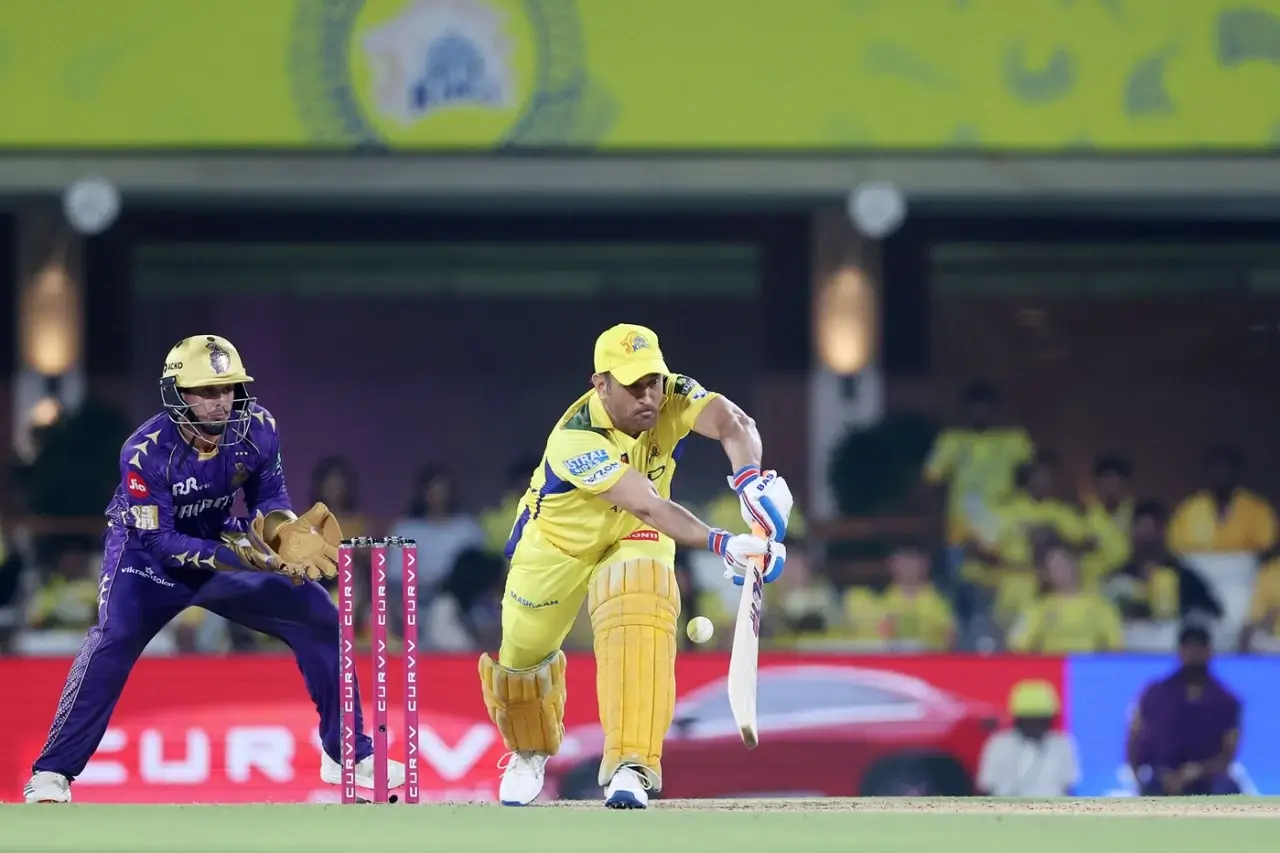
Chennai Super Kings have rarely chased trends. For nearly two decades, they trusted experience, composure, and clarity over raw pace or fearless intent. The IPL 2026 auction, however, marked a decisive break from that tradition.
By committing INR 28.4 crore to two uncapped teenagers, CSK publicly acknowledged that the game has moved faster than their old playbook. Head coach Stephen Fleming did not shy away from admitting that the franchise may have adapted later than others.
This was not an emotional pivot. It was a calculated acceptance that modern T20 cricket now rewards instinct, freedom, and skill execution more than accumulated mileage.
Why CSK Accepted They Were Slow to Evolve?
Fleming traced the change in thinking back to IPL 2025. Midway through that season, CSK introduced Dewald Brevis and uncapped Indian batters Ayush Mhatre and Urvil Patel. The impact was immediate, even if results were not.
The team finished last, but something more important happened. The tempo of CSK’s batting finally matched the league’s direction. That contrast forced internal reflection.
Fleming admitted that long-standing success can create resistance to change. Winning reinforced belief in familiar methods. But IPL’s evolution made that belief increasingly risky.
The 2026 auction became the moment to act on those lessons.
The Rise of ‘T20-Bred’ Cricketers
According to Fleming, the biggest change in modern cricket is not physical. It is mental. Players like Prashant Veer and Kartik Sharma have grown up playing T20 cricket as their primary format, not a side skill.
These players do not pause to assess situations the way older generations did. They react. They express skills without fear of failure. Fleming described them as athletes who only know one speed of cricket.
In an environment where matches are decided in short bursts, that mindset has become invaluable. Experience still matters, but hesitation now costs more than inexperience.
Why Youth Now Fits the Faster IPL?
Fleming believes the modern IPL is accelerating every season. Powerplays are more aggressive. Finishers arrive earlier. Bowlers face narrower margins.
In this environment, younger players often thrive because they are not burdened by overthinking. They are trained to execute rather than calculate.
CSK’s shift is not about rejecting experience. It is about balancing calm leadership with fearless execution. Veterans anchor. Youth accelerates. That blend, Fleming feels, is now essential for sustained success.
Sanju Samson Trade and the Long View
CSK’s evolution was not limited to auction bids. The decision to trade Ravindra Jadeja to secure Sanju Samson was equally symbolic.
Fleming confirmed the move was driven by both immediate needs and long-term planning. CSK wanted stability at the top of the order and clarity around leadership succession.
MS Dhoni remains central to the team’s identity, but the franchise is realistic. Planning for the future cannot wait until legends retire.
Samson offers international quality, leadership potential, and continuity. For CSK, the trade was less about replacing Jadeja and more about preparing for what the team should look like years ahead.
What does This Shift mean for CSK’s Identity?
CSK are not abandoning who they are. They are redefining how that identity survives in a faster league.
The core principles remain. Calm decision-making. Trust in process. Long-term thinking. What has changed is the profile of players trusted to execute those ideas.
IPL 2026 will test this transition. Young players will fail at times. That is inevitable. But CSK have chosen evolution over stagnation.
And for the first time in years, they are not chasing the present. They are building for the next era. Stephen Fleming’s honesty matters. It confirms that even the most successful franchises must adapt or risk falling behind.
CSK’s shift is not a gamble. It is an acceptance of reality. T20 cricket has changed. Chennai finally changed with it.
Why CSK Accepted They Were Slow to Evolve?
Stephen Fleming openly admitted CSK’s hesitation came from past success. Winning reinforced trust in familiar systems. Experience kept delivering results, so change felt unnecessary. Over time, however, the league moved faster.
IPL 2025 exposed this gap clearly. CSK struggled to match scoring rates consistently. Other teams attacked earlier and finished harder. Mid-season additions like Dewald Brevis added tempo instantly. That contrast forced internal review.
Fleming explained that philosophies can become comfortable traps. Teams begin defending ideas rather than questioning them. CSK realised evolution had already happened elsewhere. They simply needed to catch up.
The auction became their correction point. Instead of patchwork fixes, CSK chose a structural reset. Youth was no longer a risk. Standing still had become the bigger danger.
The Rise of T20-Bred Players
Modern players grow up playing T20 cricket first. They are trained for intent, not survival. Fleming described them as athletes who express skills freely. Fear of failure rarely slows them down.
Earlier generations often assessed situations deeply. They adjusted cautiously and waited for moments. Today’s players react instantly. They trust training over calculation. That mental shift is now decisive.
Fleming believes this is T20’s natural evolution. The format has matured long enough to shape instincts. Players like Veer and Kartik fit this mould perfectly. They play fast because that is all they know.
CSK saw this mindset as essential. Experience still matters for leadership. But execution speed now wins matches. Youth supplies that speed naturally.
Why Youth Fits the Faster IPL?
IPL games are decided in short windows now. Powerplay overs carry higher value than before. Finishers arrive earlier than ever. Bowlers operate under constant pressure.
Young players adapt better to this chaos. They are trained to hit through pressure, not avoid it. Fleming believes hesitation costs more than mistakes today. Youth reduces hesitation.
That does not mean experience is discarded. Veterans anchor decision-making and dressing-room calm. Youth drives tempo and intent. CSK want this balance.
IPL 2026 will test this mix heavily. Failures will happen. CSK accept that cost. Growth demands exposure, not protection.
Succession Planning Behind the Samson Trade
CSK’s shift extended beyond uncapped signings. Trading Ravindra Jadeja for Sanju Samson marked another bold step. Jadeja symbolised the old core. Samson represents the next leadership cycle.
Fleming confirmed the trade was strategic. CSK needed stability at the top order. They also needed clarity beyond MS Dhoni. Planning could not wait for retirement announcements.
Samson offers international experience and long-term value. He fits both immediate and future needs. CSK looked six years ahead, not two.
Succession planning is rarely emotional. It is practical and often uncomfortable. CSK chose preparation over nostalgia. That decision aligns with their broader evolution.
What This Means for CSK Going Forward?
CSK are not abandoning their identity. Calm thinking still defines them. What has changed is execution profile. Youth now carries responsibility earlier.
The franchise understands IPL success cycles. Teams that fail to evolve fall behind quickly. CSK accepted that truth late, but decisively. Their response was not cosmetic. It was structural.
IPL 2026 will judge this approach harshly. Young players will face pressure instantly. CSK must support growth without retreating to old habits like Bangladesh and Afghanistan.
Stephen Fleming’s honesty reflects confidence. A franchise secure in legacy can afford reinvention. CSK are betting that evolution, not experience alone, secures the next era.
Conclusion
CSK’s philosophy shift is not a gamble. It is an acknowledgment of reality. T20 cricket has changed pace, mindset, and priorities. Youth now drives results faster than experience alone.
Stephen Fleming’s admission matters because it signals clarity. CSK identified stagnation early enough to act. Their auction choices reflect intent, not panic. The franchise is building forward, not clinging backward.
Prashant Veer and Kartik Sharma are not just signings. They represent trust in modern cricket instincts. Sanju Samson’s arrival signals leadership continuity. Together, these moves outline a long-term vision.
IPL 2026 may bring short-term turbulence. CSK are prepared for that. Growth requires discomfort. Evolution requires courage. Chennai Super Kings have finally chosen both.

