

The IPL 2026 auction was not loud for everyone, but it was decisive. Teams either doubled down on stability or aggressively chased evolution. The outcome is ten squads with very different identities, risk levels, and ceilings.
Some franchises trusted continuity. Others bet heavily on youth, uncapped Indian talent, or positional flexibility. The auction revealed a growing belief that IPL success now depends on role clarity rather than star power alone.
Below is a team-by-team breakdown of how each side stacks up, what they got right, and where concerns remain.
Chennai Super Kings: Youth Over Tradition
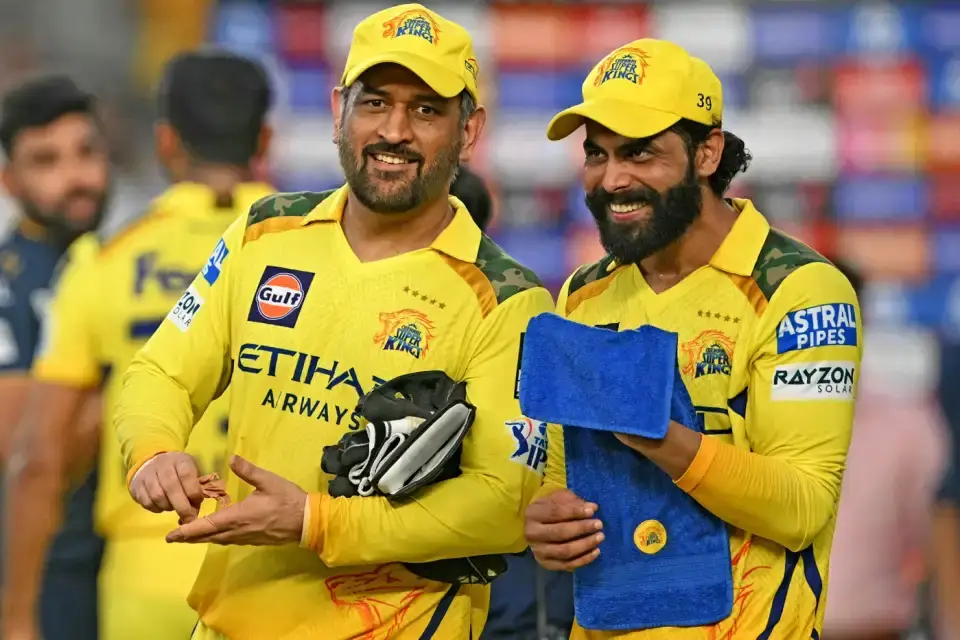
CSK entered the auction with money and left with intent. Spending INR 28.4 crore on two uncapped Indians marked the biggest philosophical shift in franchise history. Prashant Veer and Kartik Sharma are long-term investments, not short-term fixes.
The squad still carries experience at the top through Ruturaj Gaikwad, Sanju Samson, and MS Dhoni. However, the middle order and bowling attack now rely heavily on players still learning the IPL rhythm.
Big strength: Role-specific Indian talent
Big risk: Inexperience under pressure
Best XII: Samson, Mhatre, Gaikwad, Dube, Brevis, Kartik, Veer, Dhoni, Ellis, Henry/Hosein, Noor Ahmad, Khaleel Ahmed
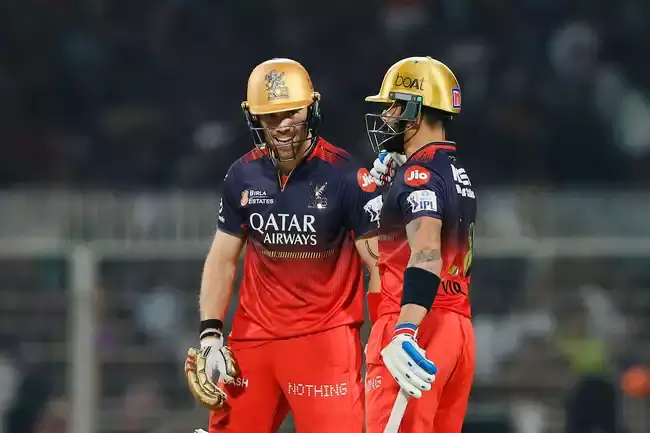
Royal Challengers Bengaluru: Stability With One Key Upgrade
RCB’s auction was about refinement, not reconstruction. Bringing back Venkatesh Iyer at a reduced price gives them flexibility at No.3 while maintaining their championship core.
Their batting remains elite and well-balanced. The bowling attack is strong but slightly thin in spin depth. The lack of a backup wristspinner could hurt on slower surfaces.
Big strength: Settled core
Big risk: Limited spin options
Best XII: Kohli, Salt, Iyer, Patidar, Jitesh, Tim David, Shepherd, Krunal, Bhuvneshwar, Suyash, Hazlewood, Yash Dayal
Sunrisers Hyderabad: Power-Packed but Uneven
SRH waited, then struck once. Liam Livingstone was their marquee buy, adding explosive middle-order hitting and flexibility. However, replacing Mohammed Shami’s consistency will not be easy.
The batting looks aggressive and deep. The bowling, especially spin, feels untested. Much depends on how quickly domestic bowlers adapt.
Big strength: Batting firepower
Big risk: Bowling reliability
Best XII: Head, Abhishek, Kishan, Nitish, Klaasen, Aniket, Livingstone, Cummins, Harshal, Unadkat, Zeeshan/Fuletra
Mumbai Indians: Depth Without Disruption
MI had little to fix and chose not to overthink. Their squad is stacked with multi-skill players, allowing flexibility across matchups.
The core remains intact. Quinton de Kock adds top-order security. The bowling attack remains elite, provided fitness holds.
Big strength: Allround depth
Big risk: Injury dependence
Best XII: Rohit, de Kock, Suryakumar, Tilak, Hardik, Naman Dhir, Santner/Rutherford, Shardul, Bumrah, Ghazanfar, Boult
Gujarat Titans: Quietly Complete
GT did not chase headlines. Jason Holder was their only major addition, giving balance rather than disruption. Their overseas usage remains conservative.
The squad is tactically flexible, especially with multiple bowling combinations available.
Big strength: Balance
Big risk: Limited overseas flexibility
Best XII: Gill, Sudharsan, Buttler, Sundar, Shahrukh, Phillips/Holder, Tewatia, Rashid, Sai Kishore, Rabada, Prasidh, Siraj
Kolkata Knight Riders: Power Reimagined
KKR spent big and reshaped their identity. Cameron Green arrives as a Russell-style replacement with more top-order value. The squad has depth across roles and match conditions.
The only puzzle is fitting Ajinkya Rahane into a power-heavy lineup without slowing momentum.
Big strength: Squad depth
Big risk: Role overlap
Best XII: Seifert/Allen, Rahane, Angkrish, Green, Tripathi, Rinku, Ramandeep, Narine, Harshit, Pathirana, Varun
Rajasthan Royals: Options Everywhere, One Gap Remains
RR addressed spin losses effectively by securing Ravi Bishnoi and adding wristspin depth. The squad is versatile and match-up friendly.
However, the lack of a reliable allrounder could hurt balance, especially in tight games.
Big strength: Bowling options
Big risk: Allrounder depth
Best XII: Jaiswal, Suryavanshi, Pretorius, Parag, Jurel, Hetmyer, Jadeja, Curran, Archer, Bishnoi, Tushar, Sandeep
Punjab Kings: Minimal Change, Maximum Trust
PBKS entered with momentum and protected it. Cooper Connolly replaces Josh Inglis, while Ben Dwarshuis adds experience to the pace unit.
The squad looks settled and adaptable. Their success will depend on overseas allrounder balance.
Big strength: Continuity
Big risk: Overseas availability
Best XII: Arya, Prabhsimran, Iyer, Wadhera, Connolly, Stoinis, Shashank, Jansen, Brar, Arshdeep, Dwarshuis, Chahal
Delhi Capitals: Tactical Flexibility Kings
DC arguably have the most adaptable squad. They can switch between batting-heavy and bowling-heavy combinations without weakening either side.
Their challenge is settling on a first-choice XI early.
Big strength: Versatility
Big risk: Too many options
Best XII: Rahul, Duckett/Nissanka, Nitish Rana, Stubbs, Axar, Miller, Ashutosh, Vipraj, Nabi, Kuldeep, Starc, Natarajan
Lucknow Super Giants: Top-Heavy and Uncertain
LSG’s auction raised questions. Spending big on Josh Inglis despite limited availability feels risky. The bowling attack is fast but injury-prone.
They rely heavily on top-order dominance to compensate for finishing gaps.
Big strength: Top-order power
Big risk: Finishing and fitness
Best XII: Marsh, Markram, Pooran, Pant, Badoni, Samad, Hasaranga, Shahbaz, Shami, Mayank Yadav, Avesh/Mohsin
Final Verdict: Who Looks Best Placed?
-
Most balanced: Gujarat Titans
-
Highest ceiling: Kolkata Knight Riders
-
Biggest evolution: Chennai Super Kings
-
Safest squad: Mumbai Indians
-
Most flexible: Delhi Capitals
IPL 2026 will not be decided at the auction table alone. But the foundations are now set.