

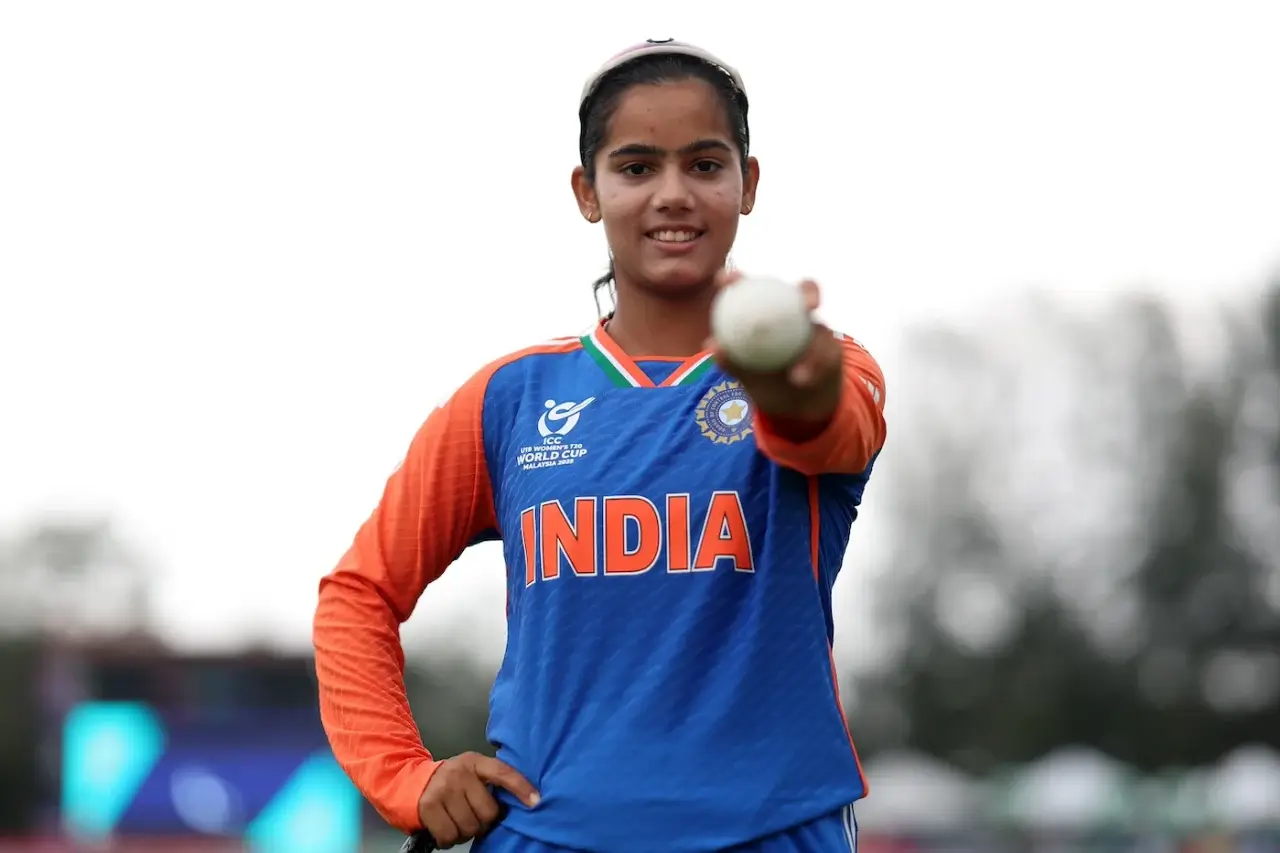
India’s women’s cricket continues its rapid transformation, and the latest squad announcement captures the shift perfectly. Teenagers G Kamalini and Vaishnavi Sharma—both standouts from the U-19 setup—have earned their first senior T20I call-ups for the home series against Sri Lanka. Their rise highlights how India’s talent pipeline is maturing faster than ever, powered by domestic cricket, youth development, and the influence of professional leagues like the WPL.
The selectors have opted for fresh energy, leaving out experienced names Radha Yadav, Yastika Bhatia and Sayali Satghare. Instead, they have chosen form, momentum and versatility. Kamalini, just 17, has impressed in both the U-19 World Cup and the WPL. Vaishnavi, 19, is one of the best young left-arm spinners in the country and already a proven wicket-taking force.
Harmanpreet Kaur continues to lead a squad that looks more dynamic, athletic and multi-skilled than ever. The five-match series, starting December 21, will test this new generation against a disciplined Sri Lanka outfit. But more importantly, it reflects a broader story: Indian women’s cricket is not just growing—it is accelerating.
The rise of Kamalini: a fearless young finisher built for modern T20 cricket
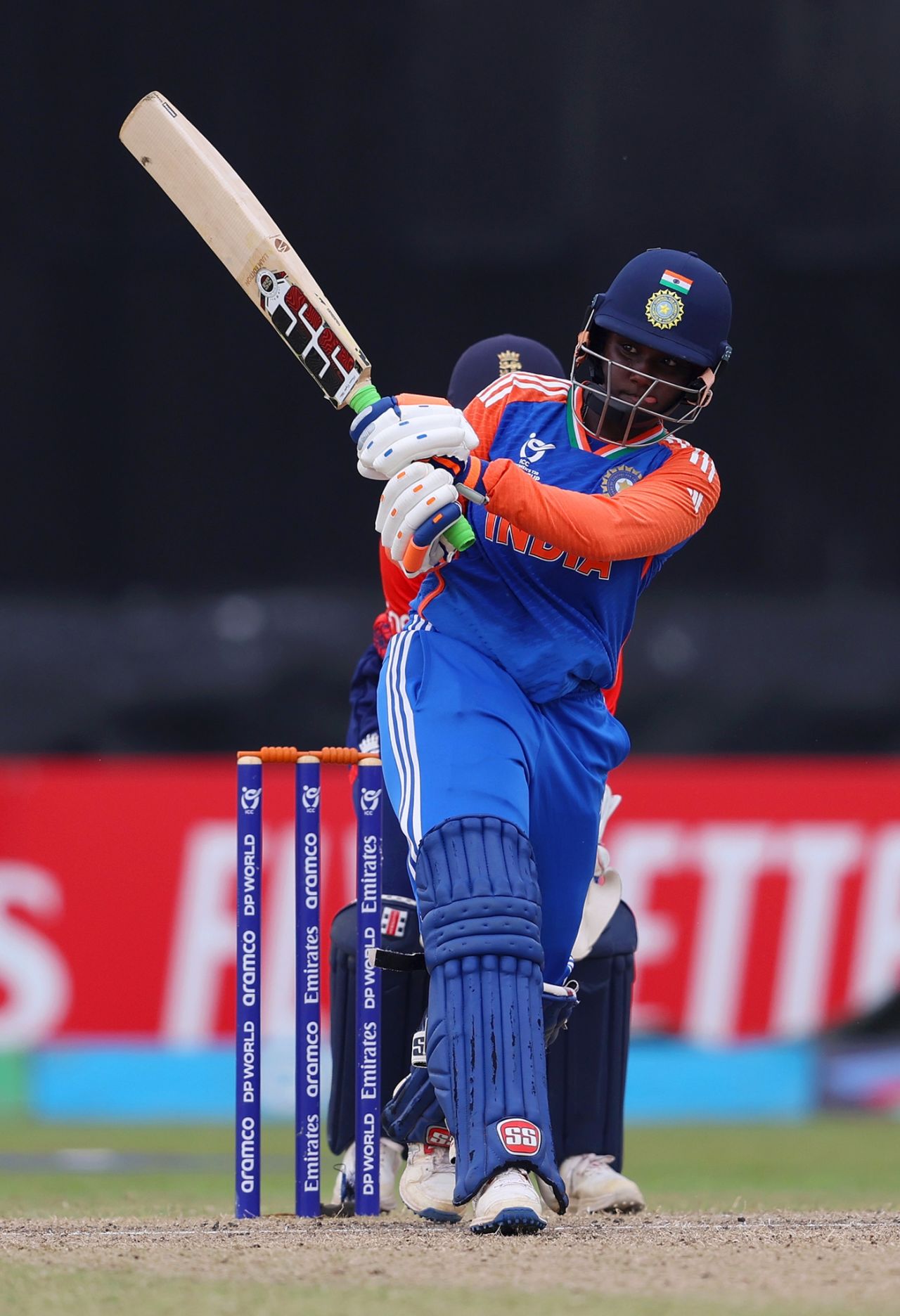
G Kamalini’s journey over the last two years mirrors the evolution of India’s young batting talent. A fearless left-hander with clean ball-striking ability, she has already shown she can chase under pressure—most notably with her unbeaten 11 off 8 balls to win a WPL match for Mumbai Indians. That knock, delivered with calm clarity, remains one of the tournament’s most memorable finishing cameos by a teenager.
Her domestic consistency strengthens her case further. She finished as the sixth-highest run-scorer in the Senior Women’s T20 Trophy, scoring 297 runs with controlled aggression and an improved strike rotation game. She is not just a hitter; she is developing game awareness—something India have long needed in their middle order.
Her U-19 numbers also highlight her potential. A composed half-century in the 2025 U-19 World Cup semi-final against England displayed confidence beyond her age. India’s selectors value temperament as much as power, and Kamalini brings both. In a team searching for long-term finishers, her arrival is timely and essential.
Vaishnavi Sharma: a wicket-taking spinner shaped by modern coaching and league exposure
Vaishnavi Sharma’s rise has been explosive and consistent. At 19, she has already topped wicket charts in both the Senior Women’s T20 Trophy (21 wickets) and the Inter-Zonal T20s (12 wickets). Her angle, drift and variations make her different from traditional left-arm spinners—she bowls more attacking lengths, hunts wickets, and thrives under pressure.
What separates her is clarity. She bowls with a plan, understands matchups, and adapts quickly when conditions change. These are qualities that modern T20 cricket demands. Her performances at the U-19 World Cup, where she finished as the leading wicket-taker with 17 scalps, show that she performs when it matters most.
With Radha Yadav left out, India need a wicket-taking left-arm option. Vaishnavi brings that, along with freshness and fearless execution. Her maiden call-up signals India’s shift toward aggressive, front-foot bowling strategies that suit T20 cricket.
She is not just a replacement—she is a long-term investment.
India’s T20 rebuild: form over reputation as selectors embrace youth
The squad for the Sri Lanka series represents a strategic shift. India are prioritising youth, performance, and adaptability over seniority. Radha Yadav, who played a role in India’s ODI World Cup win, finds herself out due to inconsistent recent form. Yastika Bhatia is still recovering from injury, while Sayali Satghare misses out as India strengthen spin depth.
This approach mirrors global trends in women’s cricket:
-
Younger players are arriving with better skills.
-
Domestic pathways are stronger.
-
T20 cricket demands agility and role versatility.
India’s decision signals that no spot is permanent. Every series is now a performance audit. With the 2026 T20 World Cup cycle beginning soon, India are building a squad that develops rhythm, aggression, and adaptability.
Why youth matters in India’s modern T20 plans?
Younger players like Kamalini and Vaishnavi are products of structured growth. They have played age-group cricket with analytics, video support and high-level coaching. They are fitter, faster, and mentally more fearless.
India’s goal is clear: build a core group that peaks together. Bringing them in early ensures experience before major ICC events. Senior players still provide leadership, but the backbone of India’s new T20 identity will come from its youth.
How women’s cricket is transforming players: confidence, professionalism, and skill depth?
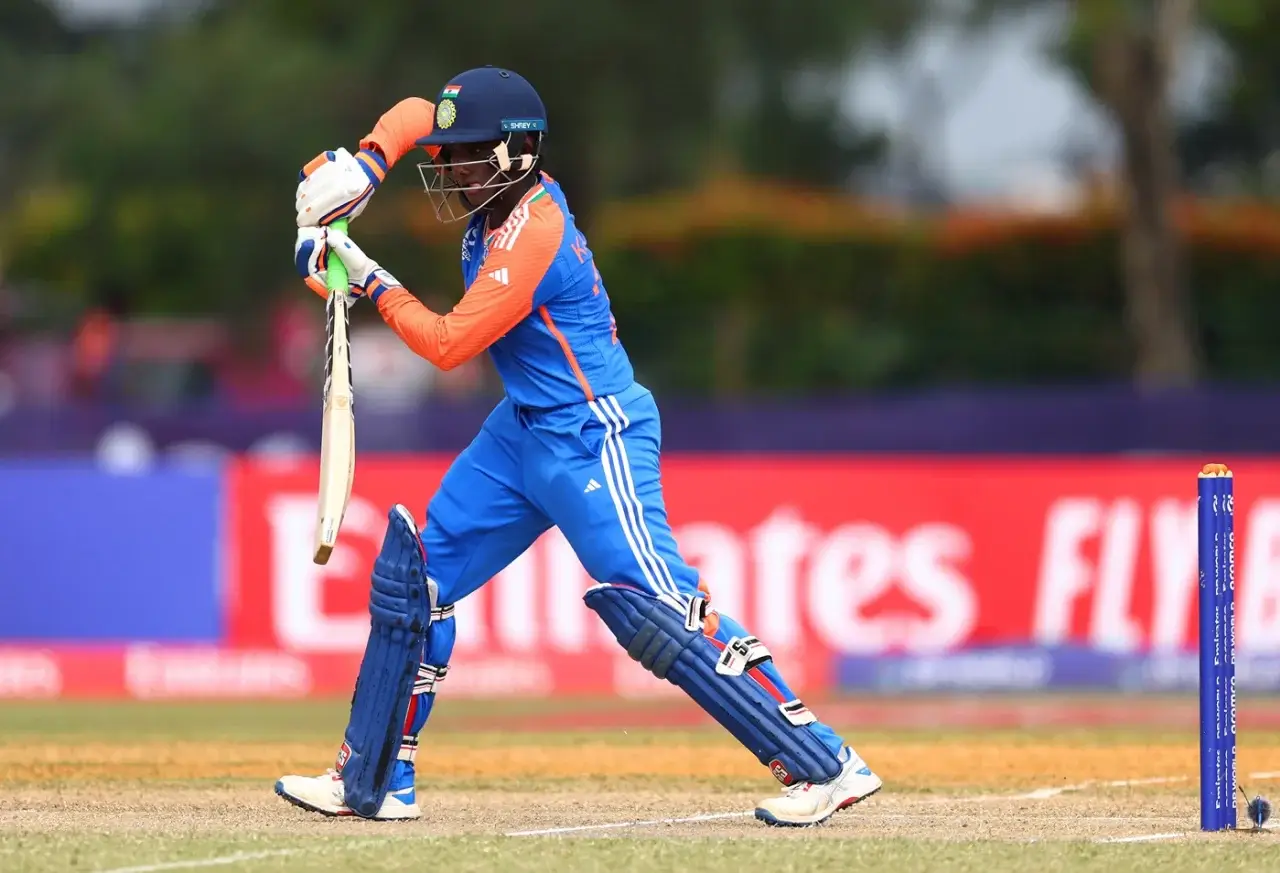
Women’s cricket has undergone a revolution over the last decade. Central contracts, professional coaching, fitness systems and league exposure have created an environment where young players develop faster than ever. Today’s teenagers train like modern athletes. They understand nutrition, strength conditioning, video analysis and match simulation.
This shift has made players more confident on the international stage. They expect to perform, not just participate. Younger batters play with natural aggression. Bowlers develop smarter variations. Fielders are fitter, quicker and more reliable.
Women’s cricket no longer produces players who need years to adjust to international intensity. They arrive ready—just like Kamalini and Vaishnavi.
Why do T20 leagues accelerate performance, Pressure, competition, and exposure?
Leagues like the WPL, WBBL and The Hundred have become the biggest catalysts in modern women’s cricket. They expose young players to:
-
High-pressure chases
-
Experienced international stars
-
Fast bowling attacks
-
Tactical decision-making
-
Professional dressing rooms
A 17-year-old sharing a field with Meg Lanning or Smriti Mandhana gains more knowledge in one season than older generations gained in three years.
These leagues create fearless batters, brave bowlers and dynamic all-rounders. They force players to make quick decisions under stress, something bilateral cricket cannot always replicate.
For players like Kamalini, performing in the WPL helped build the belief that she belongs at the highest level. For players like Vaishnavi, sharing training spaces with elite spinners sharpens skills dramatically.
Why are women’s cricket performances and stats improving worldwide?
The rise in player stats—higher strike rates, better averages, sharper bowling figures—comes from systemic changes:
- Professional contracts → more training hours
- Sports science → better fitness and fewer injuries
- Video analysis → targeted skill improvement
- Competitive leagues → tougher cricket
- Better pitches → higher-scoring games
- Specialist coaching → refined techniques
Teams now have power-hitting coaches, spin consultants, mental conditioning experts, and performance analysts. That ecosystem produces smarter cricketers who know how to win moments, not just survive them.
This is why today’s teenagers look more polished, confident and battle-ready.
The role of T20 cricket in shaping the modern women’s player
T20 cricket forces quick thinking, creativity, and adaptability. It pushes batters to innovate and bowlers to counterattack. Players learn how to dominate matchups, shift the tempo, and utilise pressure as a strategic weapon.
The skills gained in T20 cricket—explosive hitting, death bowling, athletic fielding—are now influencing ODI and Test cricket too. Modern players grow up dreaming of finishing games, not just holding wickets.
This mindset shift is a major reason women’s cricket is improving across formats.
Conclusion
Kamalini and Vaishnavi’s call-ups are more than selections—they represent the arrival of a new, fearless generation. India’s women’s cricket system is finally producing players who are ready early, skilled deeply, and confident under pressure.
The influence of leagues, stronger domestic systems and better coaching is visible in every new star emerging from the pipeline. As India build toward future T20 World Cups, this youth-driven approach could define a new era for the national team.
Women’s cricket is evolving rapidly—and these two teenagers are walking through the front door of that evolution.