

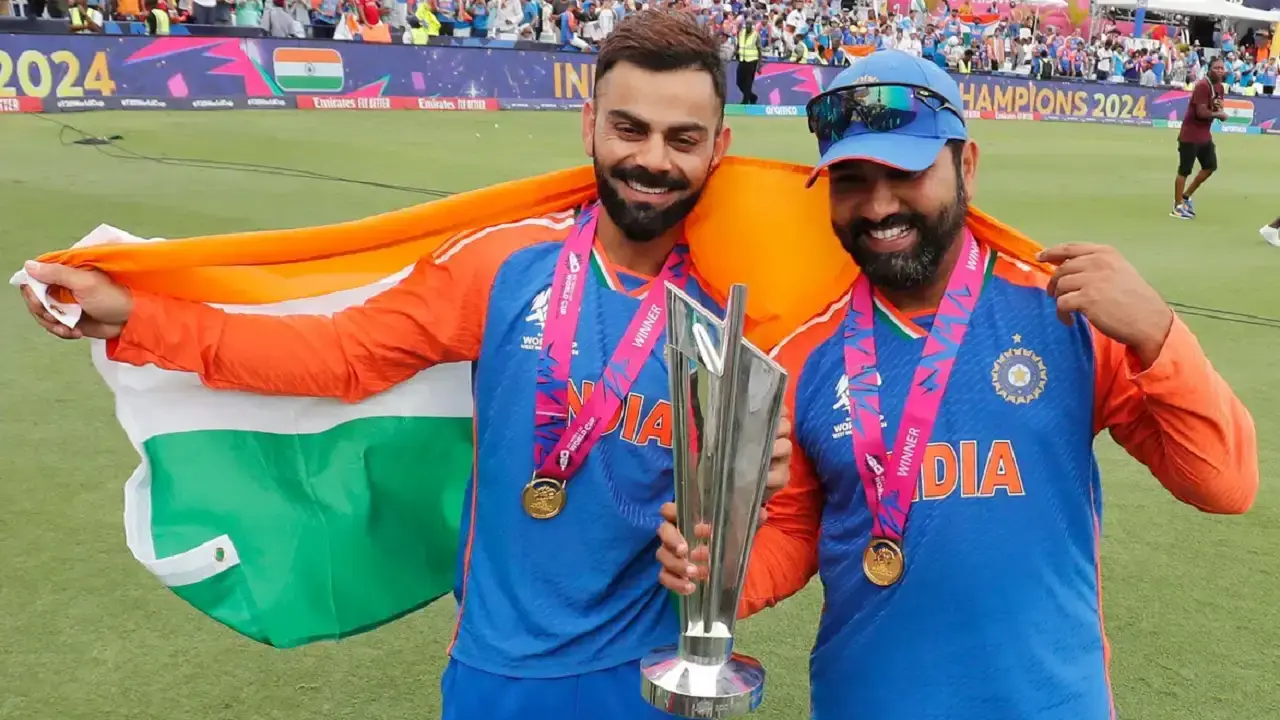
India closed the ODI series with calm belief as Rohit Sharma and Virat Kohli shaped another composed win. The team needed stability after the Test defeat, and both veterans offered that confidence in different ways. Rohit looked lighter, sharper and more patient when conditions demanded calm play. Kohli looked driven, free and confident after a long gap away from peak rhythm.
Their return to control shaped India’s chase and eased pressure from every player around them. The dressing room mood changed once they took control with their usual clarity. The crowd responded too, as they saw intent returning to the top. India looked focused again after a series of scattered moments in the past weeks.
But this story shifts now because both men will step aside as the T20 cycle begins. The dressing room will change shape again as younger hitters take centre stage. Rohit and Kohli will continue to work quietly in domestic cricket until their ODI duties resume. Their journey to stay relevant in 2027 has only just begun.
Many things must go right for them, but this week showed they still hold unmatched value. Their presence stabilised India again when the series demanded clarity.
How Rohit Sharma Evolved His Powerplay Game Again?
Rohit played with calm purpose instead of early aggression in this series. His shot selection changed because surfaces in Perth and Adelaide punished early risks. The Indian think-tank wanted dew-proof totals so he shifted to a balanced tempo. Jaiswal freed him to build slowly without forcing heavy strokes.
Rohit once chased hundreds with ruthless clarity and minimal defence. Now he uses patience to build his innings before shifting gears. His two half-centuries this week showed that switch with perfect timing. He absorbed seam movement early and expanded once he settled into rhythm. He rotated strike calmly and took pressure away from the middle order.
He still holds his power when needed as seen during the VIZAG innings. He switched from defence to attack with almost no warning. He hit gaps with ease and controlled the chase with confidence. His dismissal came while trying to lift the run rate even further. That moment showed his intent was team-first, not milestone driven. Rohit Sharma remains vital because he blends caution and power with unmatched skill.
Rohit must stay consistent during tough away tours and changing surfaces. His new rhythm suits modern ODI demands where control matters more than bursts. It allows India to avoid early collapses against top attacks. It helps young hitters take natural risks without fear of failure. His experience guides bowlers through field changes during pressure spells. His calmness shapes the tone of every chase with simple clarity.
Virat Kohli’s Problem-Solving Genius Returns with Full Fluency
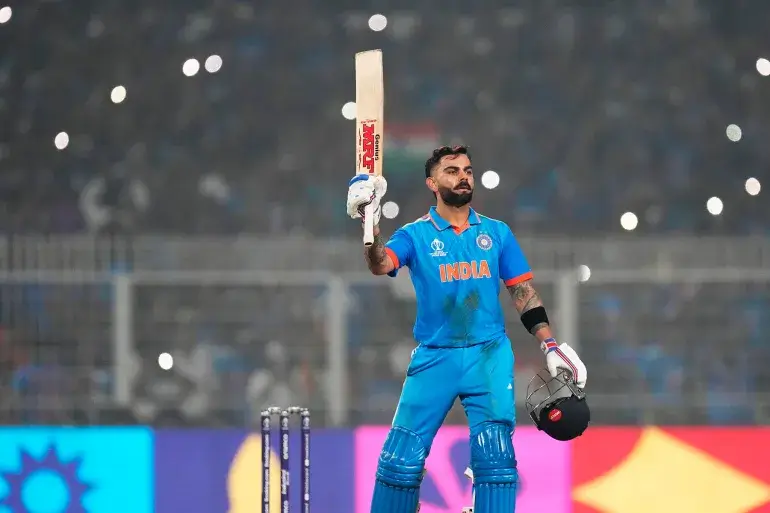
Kohli showed a new version of his classic chase control. He read each pitch differently and shaped his tempo accordingly. In Raipur he avoided risky lofts and punished loose balls only. In VIZAG he shifted gears early because the target was smaller. His reading of angles, spin drift and seam variance looked sharp again. His comfort while hitting sixes showed his freedom had returned fully.
He worked closely with every partner, guiding the chase with quiet words. He rotated strike with soft hands and placed balls perfectly to split gaps. His strike rate climbed naturally as the innings matured. He looked free from the hesitation that had held him back earlier this season. His footwork aligned with his intent which made him look unstoppable.
His collection of 135, 102 and 65* reflected planning more than raw hitting. His decisions came from reading risk zones early and avoiding them. He punished errors ruthlessly once he had full control. Virat Kohli said later he felt “free in his mind,” and that showed clearly. This version of him can shape India’s ODI future again.
Kohli offers stability during tough rebuild phases before major tournaments. His method helps India avoid mid-innings stalls on slow pitches. His clarity simplifies roles for rotating middle-order players. His chase pattern builds comfort for young batters around him. His experience helps India recover when early wickets fall suddenly. His presence guides match tempo with natural precision.
KL Rahul’s Tactical Shift and Why It Changed the Decider
KL Rahul led the decider with sharp planning and constant communication. He used bowler matchups with precise intent during important spells. He guided field placement based on batter habits rather than templates. He moved Kohli at long-on moments before a catch zone appeared. His choices slowed South Africa during their late overs collapse.
He monitored Prasidh’s spells carefully by controlling angle and bounce. He placed Jadeja and Kuldeep in pairs to lock scoring regions. His energy lifted the bowlers who needed confidence after the Test series. He focused heavily on body language and field urgency during middle overs. Those small changes removed leaks that cost India earlier this tour.
Rahul’s clarity came from deep reading of South African patterns. He guided bowlers calmly when tension rose during the early overs. He trusted seamers to hit hard lengths despite movement. His confidence extended to every partner which shaped the match mood. His silent leadership supported Rohit and Kohli perfectly during the chase.
Rahul needs to master situational switches in different continents. His tactical strength can fill leadership gaps when Rohit rests. His reading of data helps bowlers find ideal matchups often. His sharper communication stops field chaos during pressure overs. India need a calm leader during transition cycles before major tournaments.
Why Rohit and Kohli Step Aside as the T20 Cycle Begins?
India now shift to T20 plans because the World Cup approaches. Rohit and Kohli fade from spotlight here because younger hitters must lead. Workload management demands selective formats for ageing players. The staff want fresh legs, quicker fielders and new roles for the T20 cycle. Their withdrawal helps planning consistency without confusion.
This break also protects their bodies before domestic cricket begins. Their long-term ODI dream needs careful scheduling. They must play Vijay Hazare games to remain in ODI contention. They must prove fitness, hunger and rhythm across seasons. They will also face competition from younger batters pushing for spots.
Their experience still matters in dressing room discussions. Their guidance will help transition players prepare for tough tours. But their on-field roles will pause until the next ODI cycle returns. This change is necessary even when two icons are still performing. Indian cricket needs structure more than sentiment during this phase.
Selectors must judge experience against youth during every series. They must manage player fatigue through busy T20 schedules. They must protect form dips by rotating young openers carefully. They must track Rohit and Kohli in domestic games for consistency. They must avoid emotional calls during tight selection debates.
Six Hundred Days to 2027 — India’s Real ODI Test Begins Now
India now enter the long road toward the 2027 World Cup. Every series will shape combinations that need stability soon. Injuries can break plans suddenly without warning during packed years. Young players must rise quickly to avoid heavy reliance on veterans. Domestic cricket will play a major role in finding fresh depth.
Rohit and Kohli must maintain fitness during long breaks away from ODIs. They must show intent and hunger during small windows of opportunity. India must find backup anchors who can stabilize tough chases. Seamers must learn to strike early on batting-friendly pitches abroad. Spinners must refine variations for modern powerplay challenges.
The path is long but not impossible for this group. Their mix of youth and experience gives them balanced options everywhere. Their leadership group communicates clearly and roles feel defined again. If planning stays consistent, India can enter 2027 with confidence. This series showed they still hold the ability to control key moments.
Conclusion
India needed clarity, control and confidence after the Test defeat. Rohit and Kohli delivered all three across the ODI series with steady rhythm. Their calm approach shaped every innings with natural balance. Their skill created comfort for the bowlers who needed belief again. Their presence stabilised the dressing room when pressure felt heavy.
The T20 cycle will now hide them from spotlight for months. Their journey toward 2027 will move through domestic cricket windows. They will reappear only when ODI roles return in future tours. Their hunger must stay firm through long breaks between formats. India must use this transition wisely to build a stronger core.
This series showed the veterans still shape games with simple brilliance. Their impact guided India back to consistent rhythm and control. Their journey continues quietly but their value remains deeply visible. The road to 2027 begins here with balance, clarity and intent.