

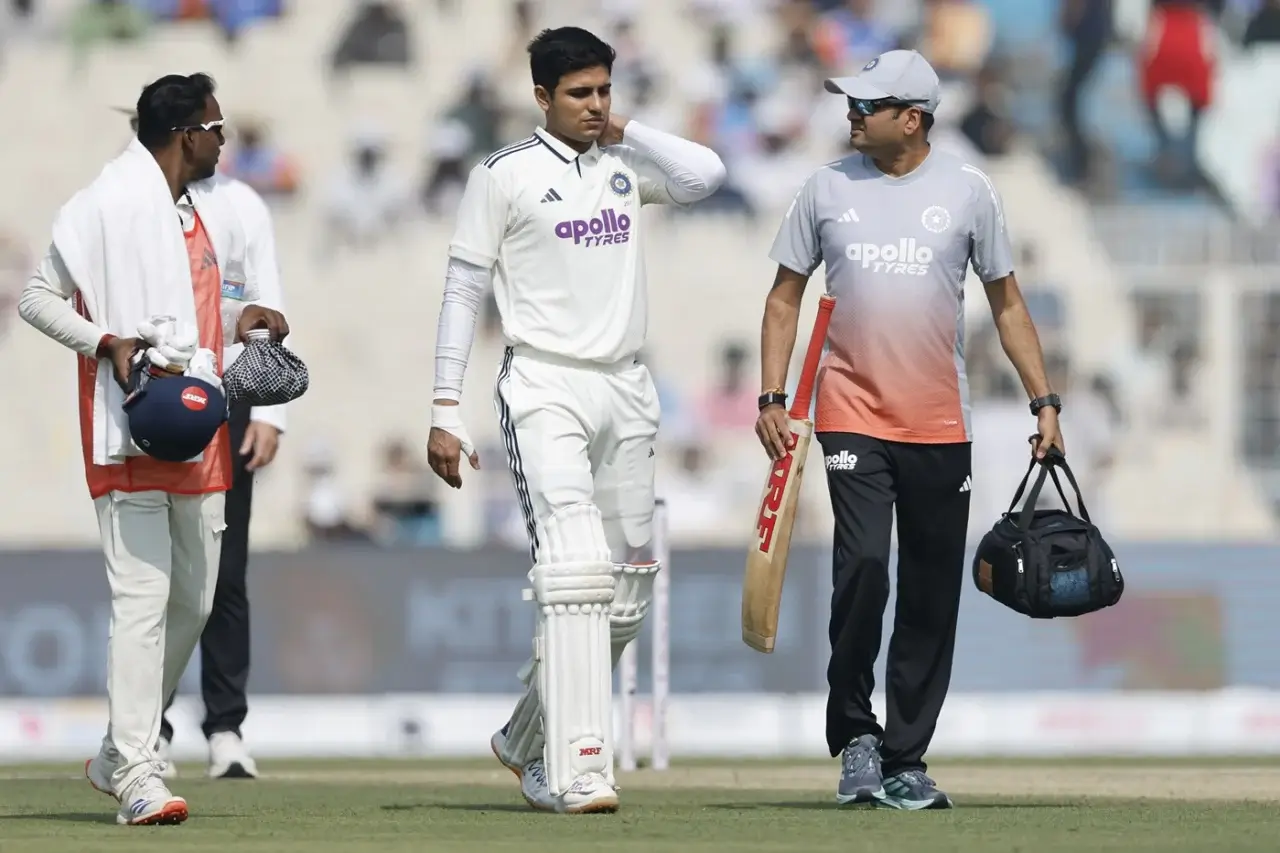
Shubman Gill has travelled with the squad but remains doubtful for the second Test against South Africa in Guwahati. India expects clarity only on match eve, yet the management is already preparing contingency plans. If Gill does not play, India’s options come with complications, especially around team balance and the dominance of left-hand batters in the current squad.
Three players are presently available as internal replacements: Sai Sudharsan, Devdutt Padikkal, and Nitish Kumar Reddy. Sudharsan is the natural first-choice batting replacement, having played the first Test before being sacrificed for an extra spinner. Padikkal is a stylistically similar backup. Reddy provides a right-handed option but is still more of a project all-rounder than a reliable top-order batter.
The core issue is this: India already fields six left-hand batters. Sudharsan and Padikkal will make that imbalance even sharper, especially against Simon Harmer, who dominated India’s left-handers in Kolkata.
The Case for Sudharsan: Best Fit, Wrong Hand
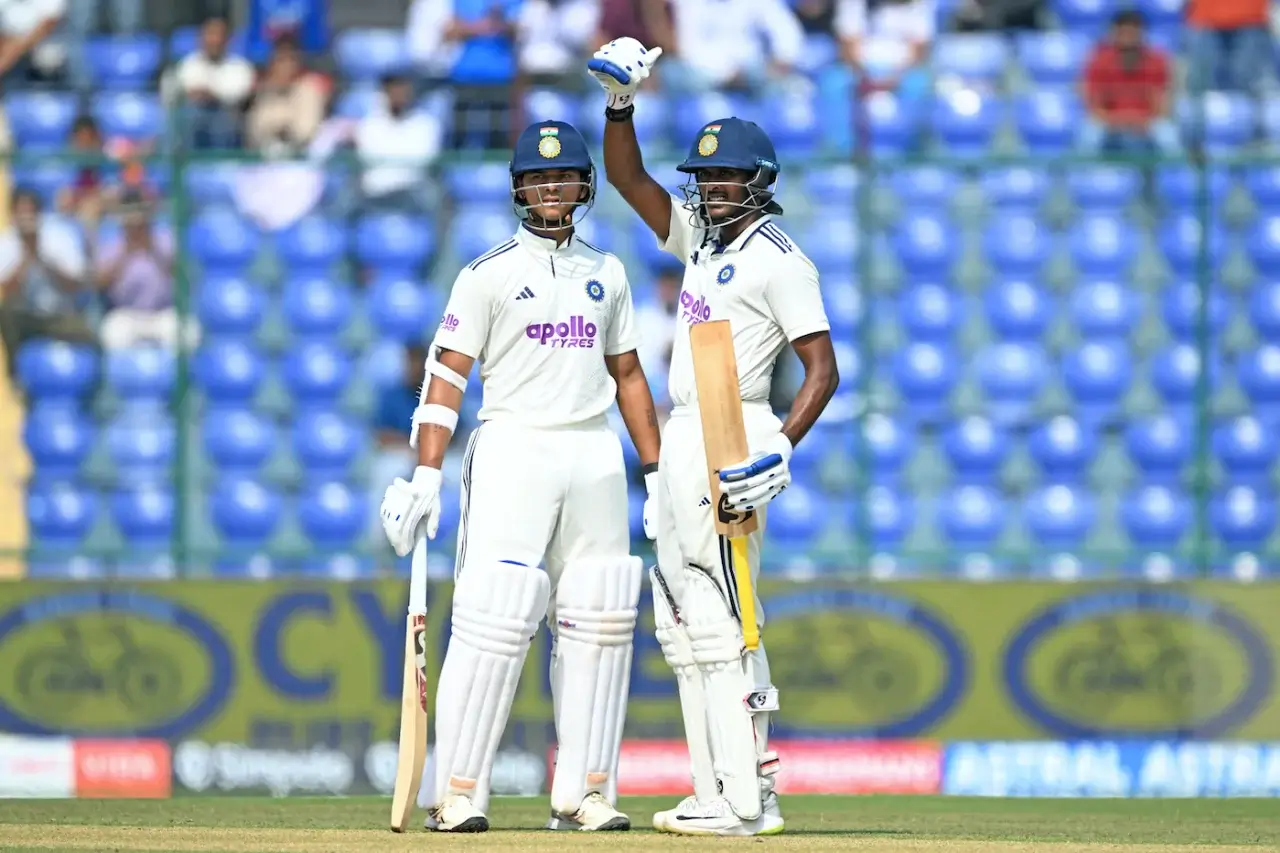
Sai Sudharsan should be the straightforward pick. He was dropped only to accommodate Axar on a turning pitch in Kolkata and is clearly ahead in the pecking order. His method suits Test cricket, and he brings stability at No. 3 — the position Washington Sundar temporarily filled with admirable resistance.
But the left-hand problem is significant. Harmer dismissed six left-handers in Kolkata and fed off India’s batting symmetry. Adding another left-hander means India could again walk straight into a tactical mismatch. Still, if India sticks to their selection order, Sudharsan plays.
The Case for Padikkal: Talent, but No Tactical Gain
Padikkal brings range and fluency but does not solve the tactical issue. He is another left-hander vulnerable to Harmer’s angle and drift. Unless the management sees something radically different in his recent form or training sessions, he remains behind Sudharsan.
Reddy: The Only Right-Hander, but Not a Like-for-Like
Nitish Kumar Reddy provides the balance India need: a right-handed presence in a left-heavy top eight. But he is raw as a Test batter. India treated his earlier matches more as investment opportunities than role fulfillment. He rarely bowled in those Tests and batted low in the order.
Leaving out a spinner to accommodate him creates other risks, especially because his bowling is not yet trusted at this level. But his ability to attack offspin — showcased against Nathan Lyon last year — could become a decisive factor. He scored freely against Lyon using footwork, reverse-sweeps, and positive intent, and that may tempt the selectors given Harmer’s threat.
Option for a Right-Hand Specialist: Gaikwad, Sarfaraz, Badoni, or Karun
India can also go outside the squad and call up a proper right-hand batter:
Ruturaj Gaikwad
In excellent List A form against South Africa A and experienced across formats. Not a Test regular yet, but tactically perfect.
Sarfaraz Khan
Explosive, clever against spin, and proven at Test level with a century already. However, his absence from recent India A squads suggests he is not currently high in selection priorities.
Ayush Mhatre / Ayush Badoni
Both impressed for India A, particularly Mhatre with back-to-back fifties. Badoni offers stroke-play and temperament but lacks long-format evidence.
Karun Nair
The most interesting wildcard. Back in red-hot form in the Ranji season, scoring heavily and consistently. Strong against spin with a full sweep range. Already recalled once this year and could be the most dependable short-turnaround option.
The Axar Question: Make Way for Reddy?
If India choose Sudharsan plus Reddy, one spin-bowling allrounder must be dropped. Given Washington Sundar’s strong batting display in Kolkata and his recent preference over Axar in Tests, Axar is the likelier to make way.
Axar’s effectiveness has dipped since his 2021 debut series, with batters now playing him with comfort off the pitch. In Kolkata, he threatened the outside edge only occasionally, and the management may assess that his style no longer troubles right-handers the way it once did.
Removing Axar restores batting variety, gives India an extra right-hander, and lets Washington bowl a full workload in Guwahati.
Axar vs Washington: Who Makes Way If Reddy Plays?
If India include Reddy, someone must exit the XI. Recent preference suggests Washington Sundar stays. Axar Patel then becomes expendable—not for lack of talent, but due to the tactical structure.
Axar’s success against England in 2021 was sensational. However, since then, opponents have learned to adjust their approach. His wickets have slowed, his threat has narrowed, and in Kolkata he rarely challenged the outside edge. Dropping him is logically consistent, though not emotionally easy, like Arshdeep for the Punjab Kings.
Washington, meanwhile, offers drift, variation, and better batting temperament higher up the order. But he will need to bowl significantly more in Axar’s absence.
Right-Handed Value: Why Reddy’s Batting Style Matters
Reddy’s right-handedness alone isn’t the full story. His method against Nathan Lyon in Australia impressed the team management—86 runs off 127 balls, stepping out with confidence, reversing pressure. While Harmer is a different bowler, India will remember how comfortably Reddy handled an elite offspinner.
That gives Reddy a tactical value most young players do not carry.
So, Who Should Replace Gill? The Most Balanced Call
If India decide to stay with the squad at hand, the smartest option is:
Sai Sudharsan + Reddy, with Axar Patel making way.
This gives India:
-
A reliable top-order left-hander (Sai)
-
A right-hander in the lower middle order (Reddy)
-
Five proper bowlers
-
Washington as primary offspinner
-
Jadeja as the left-arm spinner
-
Batting depth up to No. 8
It balances form, matchups, and squad stability better than any other internal option.
If India look outside the squad, Karun Nair or Sarfaraz Khan become the best right-hand candidates.