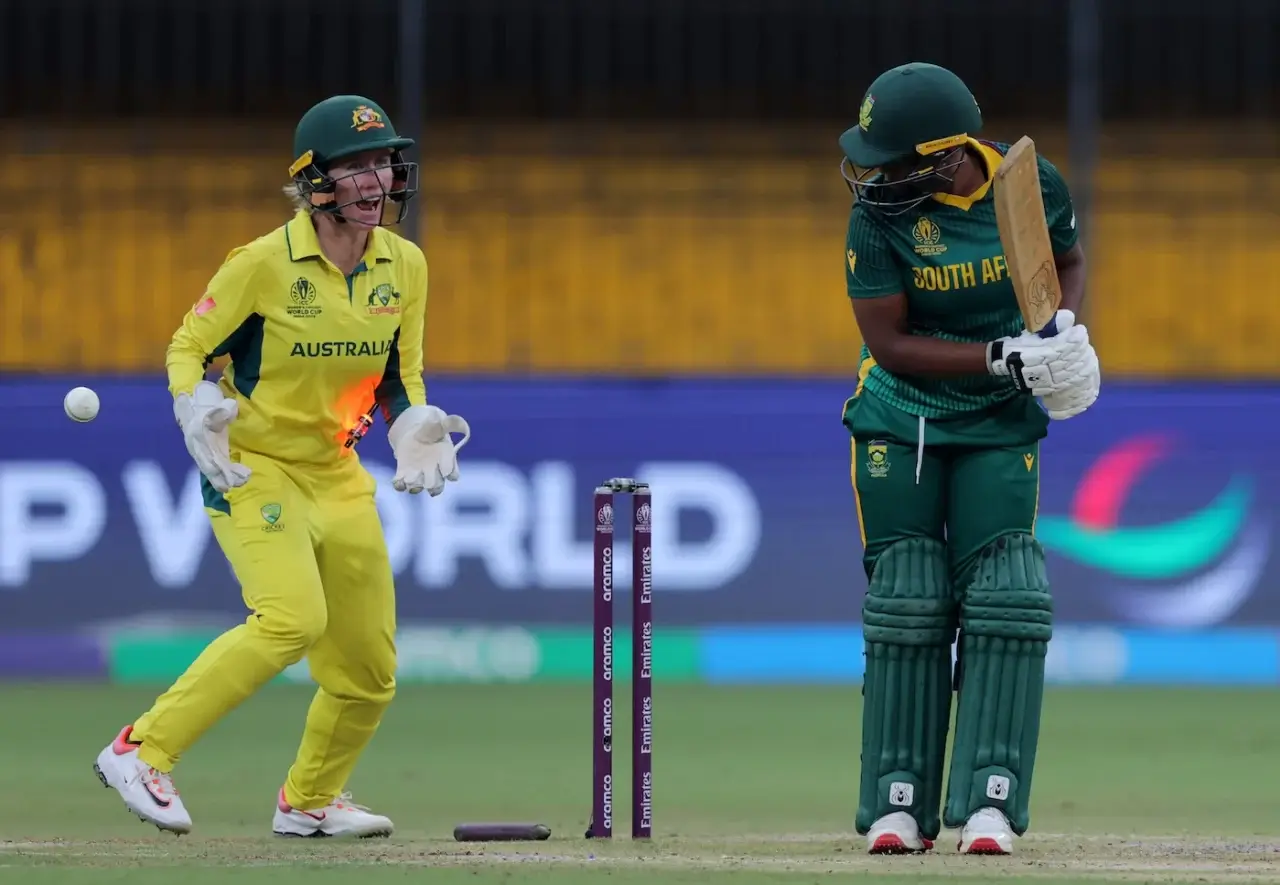
South Africa step into the semi-finals carrying both wounds and valuable lessons. The group-stage losses to England and Australia have forced uncomfortable reflection but also sparked a resolve to improve. The batting collapses in Guwahati and Indore exposed old concerns — a struggle against turn, inconsistent shot selection, and shaky middle-order stability. Yet within those failures lie clues for a stronger performance when it matters most.
The defeat to England came through misreading left-arm drift, while Australia’s Alana King punished over-aggression. Both matches revealed the same pattern — good starts followed by collapse. South Africa’s batting intent looked admirable, but their execution lacked structure. Now, facing England again in Guwahati, they must show that lessons have been learned.
The Proteas have never lacked talent; what they need is composure. Coach Mandla Mashimbyi and senior players are focusing on that psychological recovery. If they can pair discipline with determination, this could become their redemption match.
What Went Wrong and What Must Change?

The collapse against Australia was not about poor form; it was about impatience. South Africa began brightly at 32 for 0, but within minutes the innings unraveled. Sune Luus, Marizanne Kapp, and Chloe Tryon all perished trying to force the pace too early. Alana King’s spell didn’t just turn the ball; it exposed hurried decision-making. The same problem appeared against England, where Linsey Smith’s drift caught batters stuck on the crease.
South Africa’s batting lacks a clear pattern for different conditions. Against spin, they need straighter bats and deeper stances. Against bounce, they must play late and closer to the body. These are not new lessons, but the repetition of mistakes shows a mental block. The coaching staff must now simplify plans — leave what turns, hit what sits. Technical sessions this week have focused on reading length earlier and defending tighter. The middle order needs to survive the middle overs without panic. For all their power, this team hasn’t yet learned to grind.
The second big issue is structural. Their batting depth stops at No.8, which is risky in knockouts. Sinalo Jafta has shown fight, but she may be better used lower down. Anneke Bosch could return to bring calm, while Laura Wolvaardt’s start will set the tone. Against England’s disciplined attack, one top-order collapse could again end the contest early. South Africa must choose control over chaos if they want to survive Guwahati.
England Await — The Semi-final Test of Temperament
Facing England again is both poetic and punishing for South Africa. The same opponent who dismantled them earlier now stands between them and a place in the final. England’s spinners exposed footwork flaws last time; they will look to repeat it. But this time, South Africa know what’s coming. They’ve trained to counter drift, adjusted grips, and reinforced trigger movements. Whether that preparation translates under pressure will define their campaign.
England’s bowling thrives on rhythm and accuracy, not pace or surprise. That means patience will be key for the Proteas batters. Laura Wolvaardt must anchor the innings, leaving early movement untouched and punishing loose balls. Marizanne Kapp and Sune Luus need to rotate strike and maintain calm. Attack must come only once partnerships are established. The lesson from Indore is clear — aggression without foundation brings collapse.
With the ball, South Africa can trouble England’s middle order. Their seamers, especially Ayabonga Khaka and Masabata Klaas, can find early movement in Guwahati’s humid air. Nonkululeko Mlaba’s spin could control the middle overs if fielders back her up. But to win, they need discipline across all phases — no easy singles, no dropped chances. England are unbeaten, but not unbreakable. If South Africa hold their nerve, the upset is possible.
Tactical Fixes Before the Knockout
Technical drills must focus on footwork, straight drives, and shot discipline. South Africa have practiced leaving more deliveries in the first ten overs. They’ve worked on building 20-run partnerships instead of chasing boundaries. The top six must play roles — anchor, rotator, finisher — not random aggression. If these small fixes click, the Proteas can change the tone quickly.
Leadership, Mindset, and the Bounce-Back Plan
One of coach Mandla Mashimbyi’s philosophies is the “chicken brain” — the idea of forgetting failure and focusing on what works. It’s simple but vital now. Players like Jafta and Tryon must not carry guilt into the semi-final. Resilience comes from short memory and strong purpose. The team’s leadership group, led by Wolvaardt, has already reset energy through group talks and short, focused sessions.
Jafta’s words after the loss summed it up — “If it doesn’t hurt, it doesn’t mean anything.” That pain now fuels their preparation. The Proteas know they can compete with top sides when they play their natural game. Their aim isn’t reinvention; it’s rediscovery. Bat long, bowl smart, and believe again. This semi-final is more about psychology than technique. South Africa have always been emotional players — that passion, once channeled, can still carry them deep.
Laura Wolvaardt remains the heartbeat of this lineup. Her timing and calmness will be essential early on. Marizanne Kapp adds balance through experience, and her partnership with Sune Luus will shape the innings. Jafta has shown fight but must choose moments wisely. In bowling, Masabata Klaas will lead the attack’s aggression, while Mlaba’s flight can pin England’s stroke players down.
What Selection Changes Could Strengthen Teams?
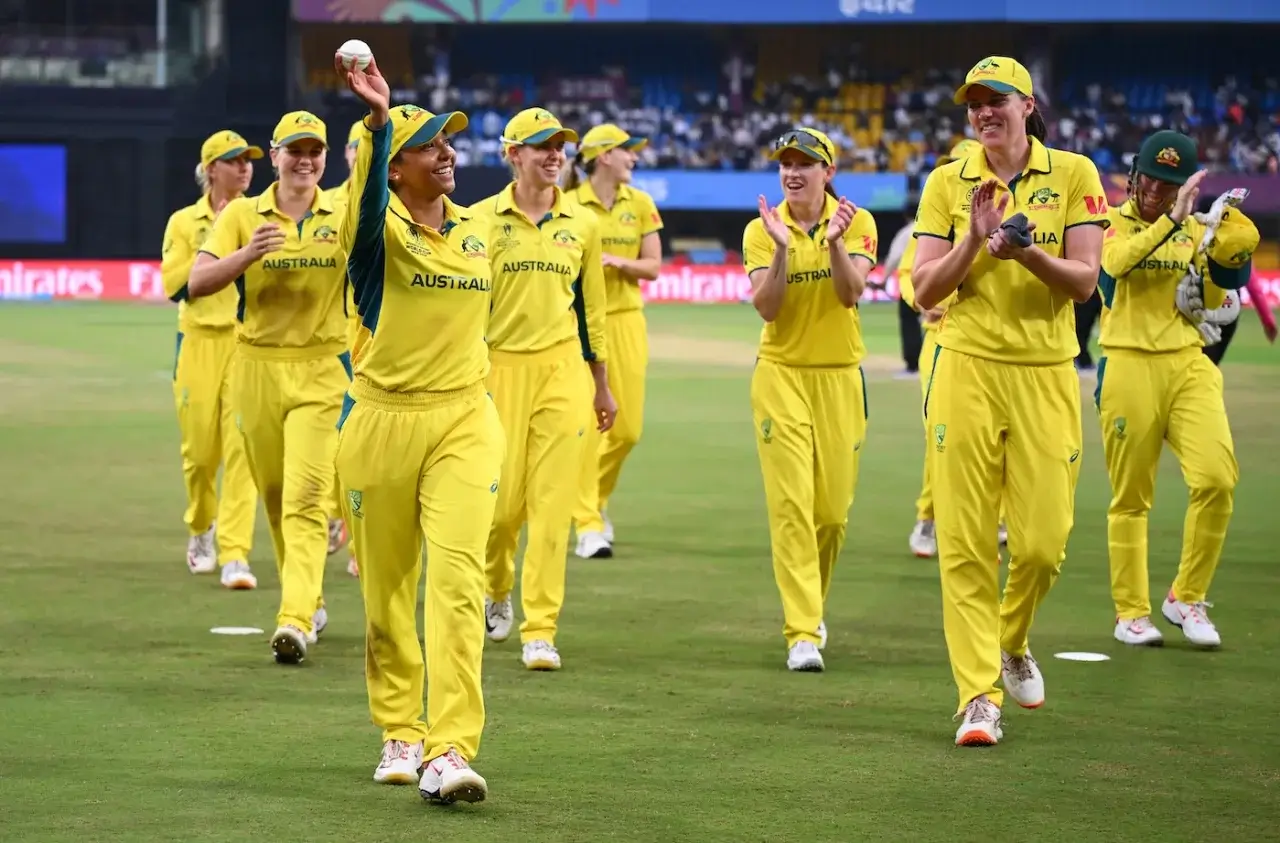
Batting depth and shot selection are now selection priorities for the semi-final. Anneke Bosch might come in for Dercksen to solidify the middle order. That change gives the team an extra stabilizer without weakening bowling. The tail remains long, so all-rounders must deliver runs under pressure. If batting improves even marginally, South Africa’s bowling can defend totals close to 230 comfortably.
Fielding must also improve — dropped chances against Australia were momentum killers. Expect the Proteas to use tighter field placements and more aggressive catching positions early. Team selection must balance caution with confidence; they can’t overhaul too much this late. Consistency across three disciplines, not radical change, will decide their semi-final future.
Lessons That Define a Champion Team
The biggest takeaway from Indore and Guwahati isn’t technical — it’s emotional maturity. Championship teams know how to lose and respond. The Proteas have felt humiliation, and that may be the spark they needed. Each player now understands that talent means little without patience. Semi-finals are won by calm minds and controlled bodies.
The team’s unity and self-belief will be their strongest weapon. They don’t need to reinvent style; they need to stick to their basics. Keep wickets in hand, absorb spin overs, and counter late. South Africa’s comeback story could still unfold beautifully if it embraces learning instead of fear. Mandla Mashimbyi knows it — failure, when handled right, becomes fa oundation.
Conclusion
South Africa’s journey to the semi-final has been rough, revealing flaws and lessons alike. But this team has the tools to fight back. If they address their spin struggles, stabilise the middle order, and field better, they can still shock England in Guwahati. Their best chance lies in controlled batting, disciplined bowling, and self-belief.
The defeats against England and Australia were painful but necessary wake-up calls. South Africa are no strangers to heartbreak, but they’ve also built a culture of recovery. They carry not fear but hope — the kind built through scars and second chances. If they execute their plans and trust their rhythm, they can turn embarrassment into inspiration.
This semi-final isn’t just another knockout; it’s a test of identity. Win or lose, it will show how far they’ve come from Guwahati and Indore. For now, they stand on the edge of redemption, armed with hurt, hope, and hard lessons learned.